HUB / INFRARED
Infrared Saunas
Low-heat cabins that run on a standard outlet. Ranked on capacity, EMF and what each one actually costs to run — with live prices.
Infrared is the biggest home-sauna category on Amazon and the easiest to install: most 1-2 person cabins run on a normal 120V outlet and warm the body directly at 120-140F rather than heating the whole room to 180F+. That also makes them the category with the most marketing noise — 'full spectrum', 'ultra-low EMF', unreachable heat-up claims. We cut through it with the three numbers that decide the buy: capacity, EMF, and cost per session.
We earn a commission when you buy through our Amazon links, at no extra cost to you. It never affects our rankings, and we say so when the cheaper product is the better buy. How this works.
What to buy first
For most people the honest answer is a 2-person far-infrared cabin that plugs into a standard wall outlet — the Dynamic Andora or the EASYHAWKare the two we'd point you at first. They cost a fraction of a traditional build, install without an electrician, and reach a comfortable 120-140F. You lose the loyly (there are no rocks to throw water on), but you gain the easiest home-sauna install there is.
How the category divides
Infrared cabins split along three lines that actually matter:
- Far-infrared vs full-spectrum.Far-infrared is the standard, and it's what heats you. Full-spectrum adds near- and mid-infrared, which some buyers want for red-light-adjacent skin claims — but it usually needs a 240V circuit. See full spectrum vs far infrared.
- Capacity. 1-person cabins are genuinely one seat; 2-person is the sweet spot; 3-4 person cabins move you onto a 240V circuit. Size honestly — a 2-person cabin is the default.
- EMF.Every mid-market brand advertises "low EMF" carbon heaters, and the ratings vary. We compile the disclosed figures rather than repeat the marketing — EMF, explained.
What decides the price
Wood is the biggest lever: hemlock cabins are the budget-to-mid default, red cedar is the premium upgrade (aroma and rot resistance). After that it's heater count and type, then capacity, then extras like chromotherapy lighting and Bluetooth that add little to the actual sauna. The brands worth knowing are the Golden Designs group (sold on Amazon as Dynamic Saunas and Maxxus— the same company, so don't treat them as three rivals), and then a tier of independent sellers — EASYHAWK, Albott, Real Relax — that undercut them on price without the same parts and support depth.
The mistake buyers make
Overbuying capacity. A 3-person cabin sounds better than a 2-person until you learn it needs a dedicated 240V circuit and an electrician, and that you'll heat a lot of empty bench most sessions. Buy the size you'll actually fill, keep it on the outlet you already have, and put the savings toward cedar. And run the numbers before you buy: a 2-person infrared cabin draws roughly 1.6-1.8kW, which we cost out on the running-cost page. On a tight budget, start with the best infrared saunas under $2,000; short on room, the compact-cabin picks; and if you're torn between the two big brands, Dynamic vs JNH settles it — or weigh a cabin against a sauna blanket.
Shopping a bigger budget or a specific brand? The best infrared saunas under $5,000 shows what full-spectrum and cedar add up top, the JNH Lifestyles saunasexplains what happened to that line on Amazon and what to buy instead, and if you're still deciding whether a cabin is right at all, are infrared saunas worth it is the honest gut-check.
Worried about EMF specifically? The best low-EMF infrared saunas shortlist the cabins rated lowest, and two mainstream match-ups — Maxxus vs Dynamic and HeatWave vs JNH — pit the two models most people actually cross-shop, and JNH vs Maxxus weighs the independent-brand value pick against a Golden Designs sibling.
Already own a cabin? Keeping it clean and lasting is easy — our infrared sauna maintenance guide covers the two-minute wipe-down, the monthly clean and the heater checks owners forget.
New in this update: the best infrared saunas under $3,000 cover the mid-budget sweet spot, the best 1-person infrared saunas suit a solo bather or a tight room, and if you're weighing the wider picture, infrared sauna benefits, what one costs to run and infrared vs red-light therapy lay out the honest version.
Comparing specific cabins? HeatWave vs Dynamic pits two plug-in 2-person cabins head to head, and Maxxus full-spectrum vs Dynamic settles whether the full-spectrum, cedar, 240V upgrade is worth it. On the technical side, carbon vs ceramic heaters explains the emitter types, and the infrared sauna temperature guide explains why a "low" 120-140F reading is exactly right.
Cross-shopping the small cabins? LifePro vs Dynamic weighs a modern-looking budget cabin against the best-supported 2-person default, and once your cabin arrives, how to assemble an infrared sauna walks the flat-pack build panel by panel.
New in this update: two more match-ups for the cabins people cross-shop — LifePro vs JNH and Maxxus vs HeatWave — plus the ownership answers buyers actually search: how long an infrared sauna takes to heat up, whether they need special wiring, whether you can put one outside, and how long they last.
Also new: the honest ownership answers buyers ask before and after purchase — are infrared saunas safe (EMF, heat and who should check with a doctor), how to use an infrared sauna for a simple session routine, and infrared sauna troubleshootingfor when a cabin won't heat or trips the breaker.
Giving a cabin as a gift, or waiting for a sale? The best luxury sauna gifts guide ranks the big-ticket picks for giftability (the plug-in Andora leads for a reason), and the Black Friday & Cyber Monday hub shows today's live price next to Amazon's list figure so a November markdown can be judged against a real number.
Start here
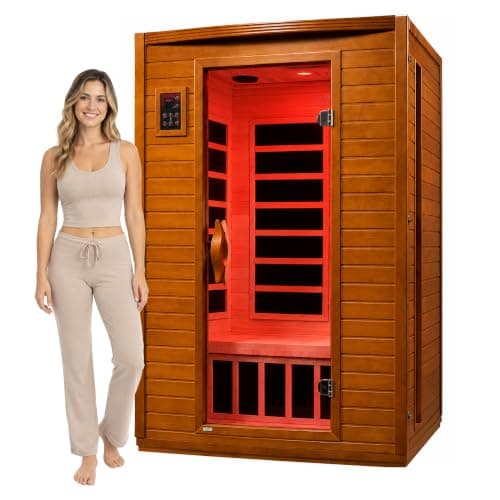
The Best Infrared Saunas for Home
Six infrared cabins ranked. The Dynamic Andora is the default; the EASYHAWK is the value pick.
Everything in this hub
All infrared saunas
Roundup
The Best Infrared Saunas for Home
Six infrared cabins ranked. The Dynamic Andora is the default; the EASYHAWK is the value pick.
Top pick$2,399.99Amazon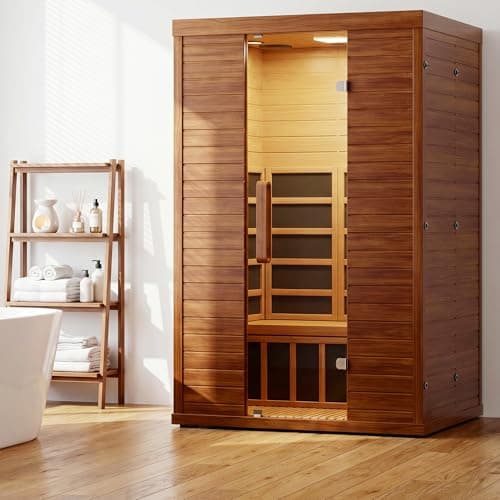
Roundup
The Best 2-Person Infrared Saunas
Five 2-person infrared cabins ranked. Room for two, still plug-in — the size most people should buy.
Top pick$1,149.99Amazon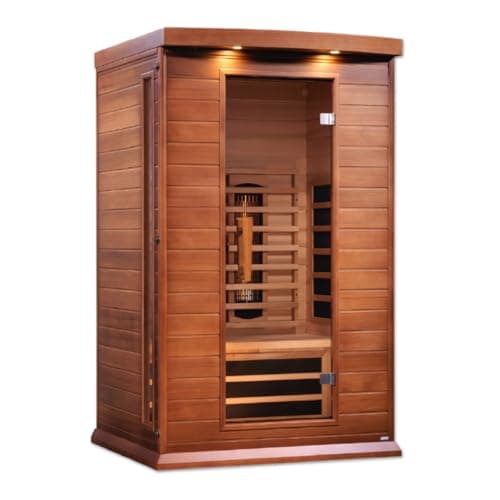
Head to head
Full Spectrum vs Far Infrared Sauna
Full spectrum vs far infrared, compared — with the buyable pick for each. Most people want far infrared.
Top pick$4,299.00Amazon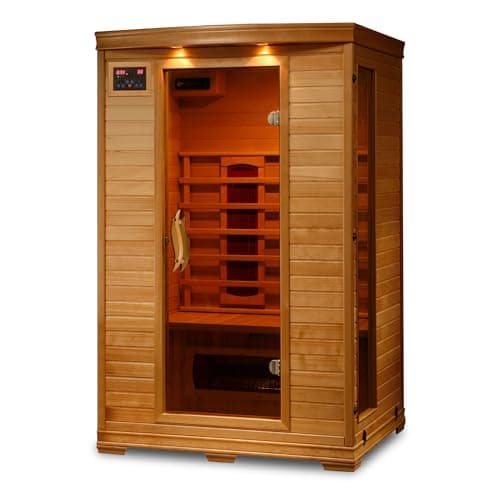
Roundup
The Best Infrared Saunas Under $2,000
Four budget-tier infrared cabins ranked. The HeatWave Coronado is the pick; the EASYHAWK is the value winner, alongside modern-compact and cheapest-cabin options.
Top pick$1,819.99Amazon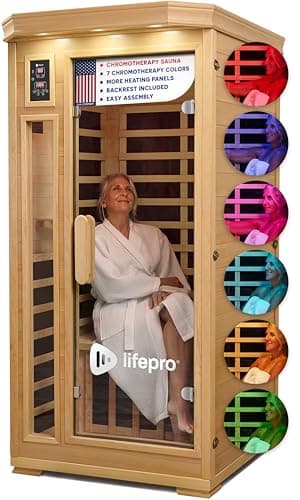
Roundup
The Best Infrared Saunas for Small Spaces
Four compact infrared cabins ranked for small rooms. The LifePro Rejuvacure wins on modern-compact; the rest cover true single, mainstream single and cheapest.
Top pick$1,999.99AmazonHead to head
Dynamic vs JNH Infrared Sauna: What to Buy Now
JNH's Joyous is no longer listed on Amazon. The Dynamic Andora against the EASYHAWK: the EASYHAWK wins on price, the Andora on support network and red-light therapy.
Top pick$1,149.99AmazonHead to head
Infrared Sauna vs Sauna Blanket
Infrared cabin vs sauna blanket, compared. The cabin is the real sit-in room; the blanket is the lowest-footprint, lowest-cost way in.
Top pick$2,399.99AmazonRoundup
JNH Lifestyles Saunas: What to Buy Now
JNH Lifestyles' cabins are no longer listed on Amazon. The EASYHAWK covers the 2-person slot, the KUNSANA the 3-person and the Albott the single.
Top pick$1,149.99AmazonRoundup
The Best Infrared Saunas Under $5,000
Infrared cabins to buy with a budget up to $5,000, ranked. The full-spectrum cedar Maxxus is the most sauna the budget buys; the value picks show how little you can spend and still do well.
Top pick$4,299.00Amazon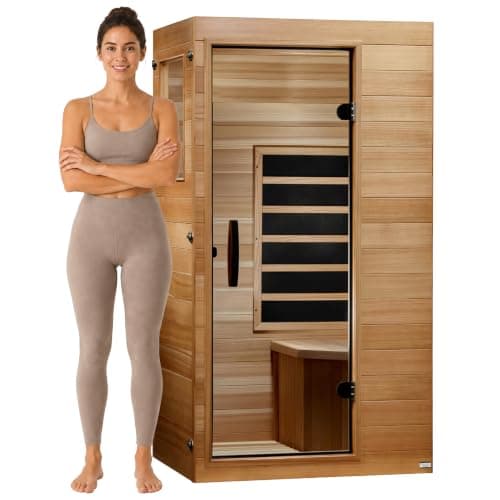
Roundup
The Best Low-EMF Infrared Saunas
Five low-EMF infrared cabins ranked. The ultra-low-EMF Dynamic Saunas Elite leads; the Andora and Maxxus Seattle are the mainstream low-EMF defaults.
Top pick$1,299.99AmazonHead to head
Maxxus Seattle vs Dynamic Andora
The Dynamic Andora against the Maxxus Seattle — near-identical Golden Designs siblings. The Andora is the mainstream default; let price decide the rest.
Top pick$2,399.99AmazonHead to head
HeatWave Coronado vs JNH Joyous: What to Buy Now
JNH's Joyous is no longer listed on Amazon. The HeatWave Coronado against the EASYHAWK: the Coronado is the documented, heater-dense pick; the EASYHAWK is the value winner.
Top pick$1,819.99AmazonHead to head
JNH Joyous vs Maxxus Seattle: What to Buy Now
JNH's Joyous is no longer listed on Amazon. The EASYHAWK against the Maxxus Seattle: the EASYHAWK is the value winner; the Seattle is the more finished, better-documented Golden Designs cabin.
Top pick$1,149.99AmazonRoundup
The Best Infrared Saunas Under $3,000
The best plug-in far-infrared cabins under $3,000, ranked. The Dynamic Andora leads as the proven 2-person default, the EASYHAWK is the value runner-up — all 120V, all honest about far vs full-spectrum.
Top pick$2,399.99AmazonRoundup
The Best 1-Person Infrared Saunas
The best single-person infrared cabins for tight spaces, ranked. The LifePro Rejuvacure leads as the roomy modern pick, the Albott is the purpose-built compact single, and the Real Relax is the cheapest real cabin.
Top pick$1,999.99AmazonHead to head
HeatWave vs Dynamic Infrared Sauna
HeatWave Coronado vs Dynamic Andora, compared with live prices. The Dynamic wins on support and features; the HeatWave wins on heater density and value.
Top pick$2,399.99AmazonHead to head
Maxxus Full-Spectrum vs Dynamic Andora
Maxxus full-spectrum cedar vs the far-infrared Dynamic Andora, with live prices. The Andora is the value default most people should buy; the Maxxus is the full-spectrum, cedar, 240V upgrade.
Top pick$2,399.99AmazonHead to head
LifePro vs Dynamic Infrared Sauna
LifePro Rejuvacure vs Dynamic Andora, with live prices. The Dynamic wins on support and true 2-person room; the LifePro wins on modern styling and price for a solo bather.
Top pick$2,399.99AmazonHead to head
LifePro vs JNH Infrared Sauna: What to Buy Now
JNH's Joyous is no longer listed on Amazon. LifePro Rejuvacure vs the EASYHAWK: the EASYHAWK wins on real capacity and price; the LifePro on modern styling for a solo bather.
Top pick$1,149.99AmazonHead to head
Maxxus vs HeatWave Infrared Sauna
Maxxus Seattle vs HeatWave Coronado, with live prices. The HeatWave is the heater-dense value pick; the Maxxus is the slightly pricier, more finished, low-EMF-marketed sibling of the category default.
Top pick$1,819.99Amazon
Guide
Infrared Sauna EMF, Explained
What 'low EMF' actually means on an infrared sauna listing, and how to buy a genuinely low-emission cabin.
Guide
Are Infrared Saunas Worth It?
An honest worth-it answer: what infrared heat really does, what it costs to run, and the buyers who'd be better served by a traditional sauna, a blanket, or nothing at all.
Guide
How to Maintain an Infrared Sauna
The simple routine that keeps an infrared cabin clean and lasting: the after-session wipe-down, monthly deeper clean, wood care, and the heater and electrical checks owners skip.
Guide
Infrared Sauna Benefits: The Honest Version
The evidence-honest benefits of infrared saunas — relaxation, recovery, and a cardiovascular association from sauna research — plus what the studies actually measured and which claims are overhyped. Not medical advice.
Guide
Infrared Sauna Electricity Cost: What It Really Costs to Run
What it actually costs to run an infrared sauna. Why a 120V plug-in cabin is cheap to run, the levers that change the bill, and how it compares to a 240V traditional stove — reasoned, with no invented numbers.
Guide
Infrared Sauna vs Red-Light Therapy: The Difference, Honestly
Infrared sauna vs red-light therapy — one is heat therapy that warms your body, the other uses specific light wavelengths aimed at skin and tissue. Why cabins with red-light LEDs blur the line, honestly explained. Not medical advice.
Guide
Carbon vs Ceramic Infrared Heaters
Carbon vs ceramic infrared heaters — how each heats, even warmth vs intensity, EMF and durability, and why most modern home cabins use carbon panels.
Guide
Infrared Sauna Temperature: The Honest Guide
What temperature an infrared sauna should be — why 120-140F is normal and lower than a traditional sauna, why it still makes you sweat, and how to set it for comfort.
Guide
How to Assemble an Infrared Sauna
How to assemble a flat-pack infrared sauna cabin — the clip-together panels, tools, wiring the heater and controls, and the mistakes to avoid.
Guide
How Long Does an Infrared Sauna Take to Heat Up?
How long an infrared sauna takes to heat up — usable in about 10-15 minutes because it warms your body directly, with the air reaching 120-140F in 30-45 minutes, plus tips to speed it up.
Guide
Do Infrared Saunas Need Special Wiring?
Do infrared saunas need special wiring? Most 1-2 person far-infrared cabins run on a standard 120V outlet; larger 3-4 person and full-spectrum cabins usually need a dedicated 240V circuit and an electrician.
Guide
Can You Put an Infrared Sauna Outside?
Can you put an infrared sauna outside? Most indoor cabins aren't rated for it — moisture, freeze-thaw and UV ruin the wood and electronics and can void the warranty. The covered-space compromise explained.
Guide
How Long Do Infrared Saunas Last?
How long do infrared saunas last? A well-kept indoor cabin runs many years, often a decade-plus. The heaters and electronics eventually fail while the wood stays durable indoors — and maintenance adds years.
Guide
Are Infrared Saunas Safe?
Are infrared saunas safe? For most healthy adults used sensibly, yes — the real questions are EMF, heat tolerance, hydration and who should check with a doctor first. Honest and non-medical.
Guide
Infrared Sauna Troubleshooting
Infrared sauna troubleshooting, step by step — cabin won't power on, panels not heating, breaker tripping, dark control panel, weak heat. What you can safely check yourself and when to call the maker.
Guide
How to Use an Infrared Sauna
How to use an infrared sauna, start to finish — pre-heat, hydrate, sit 15-30 minutes at a comfortable temperature, cool down and rehydrate. A simple beginner routine and the mistakes to avoid.