HUB / GUIDES · Sauna Guides
How Much Does a Home Sauna Cost?
Cheapest to dearest: blanket, portable, infrared cabin, barrel, indoor traditional. Here's the shape of the price by type — plus the install costs the listings skip.
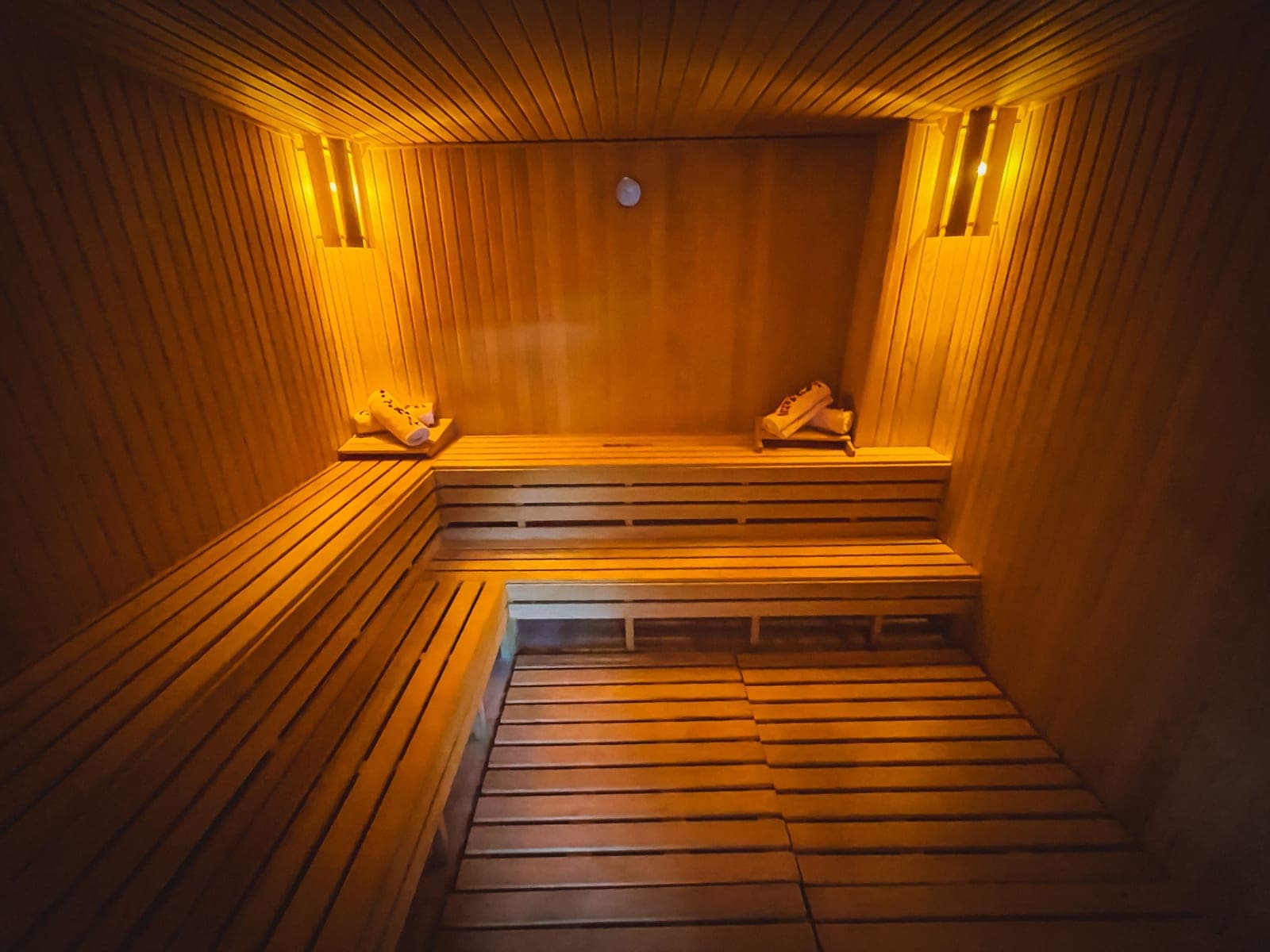
Home saunas span a huge range. In rough order from cheapest to most expensive: sauna blankets and portable tents are the entry point, 1-2 person infrared cabins sit in the middle, and outdoor barrels and built-in traditional saunas are the top. But the sticker is only part of the total — install and electrical work can add real money on the bigger types. We point you to live prices for the exact figures.
A note on how this guide handles numbers: prices move week to week, so we don't print exact dollar figures here that would be stale by the time you read them. Instead we describe the bands — where each type sits relative to the others — and send you to the ranked roundups on this site, which carry the current live price for each specific model.
Price by type, at a glance
| Type | What it is | Price band | Install needs |
|---|---|---|---|
| Sauna blanket | A padded, heated wrap you lie in — infrared, one person | Lowest | None — plugs into a wall outlet, folds away |
| Portable sauna tent | A collapsible one-person cabin with a small heater | Low | None — plug-in, no assembly beyond the frame |
| Infrared cabin, 1-2 person | A wood cabin with infrared panels | Low-to-mid | Plugs into a standard 120V outlet |
| Infrared cabin, 3-4 person / full-spectrum | Larger or near-infrared-equipped cabin | Mid | Usually a dedicated 240V circuit and an electrician |
| Outdoor barrel | A cedar or hemlock barrel with an electric or wood stove | Mid-to-high | 240V circuit (or wood stove), plus a level pad and delivery |
| Indoor traditional (kit or cut) | A built or prefab room with a rock heater | Highest | 240V heater, framed/insulated room, ventilation |
The cheap end: blankets and portables
If your goal is to try the heat and the sweat for the least money and zero commitment, a sauna blanket or a portable tentis the way in. They plug into a normal outlet, need no install at all, and fold away when you're done. You give up the room-you-sit-in experience and the loyly, but you pay a fraction of a cabin's price and can be sweating the day it arrives. For a lot of people this is the right first sauna.
The middle: infrared cabins
The infrared cabinis the best-value real sauna for most homes. A 1-2 person far-infrared cabin runs on the 120V outlet you already have, so there's no electrician, and it sits in a comfortable middle price band — more than a blanket, far less than a built traditional room. Step up to a 3-4 person or a full-spectrum cabin and two things happen: the price rises, and you usually move onto a 240V circuit that does need an electrician. That electrical step is the hidden line to watch when you size up.
The top: barrels and indoor traditional
The most expensive home saunas are the ones that deliver the classic hot, steamy experience. An outdoor barrel gets you a real rock stove and the loyly ritual, but the kit is only the start: an electric barrel needs a 240V circuit, and every barrel needs a level pad and freight delivery of a heavy crate — costs we break down in the barrel sauna cost guide. A built-in indoor traditional saunais typically the dearest of all, because on top of the heater you're framing, insulating, lining and venting a room. If you want that experience, budget for the build, not just the box.
The install and electrical line
This is the cost buyers most often miss. Anything that runs on a dedicated 240V circuit— larger infrared cabins, electric barrels, most traditional heaters — usually means hiring an electrician to pull a circuit from your panel, plus, in many places, a permit and inspection. That can add several hundred dollars on top of the sticker, and it's essentially the same whether the sauna itself was cheap or premium. The way to avoid it entirely is to stay on the 120V side: a blanket, a portable, or a 1-2 person infrared cabin. Our how-to-install guide walks through what the bigger builds actually involve.
Don't forget the running cost
The good news at the end of the budget: once it's in, a sauna is cheap to use. The up-front price and install are the numbers that vary; the electricity to run it is small and predictable — pennies a session for infrared, around a dollar for a big traditional heater. We show the full arithmetic on the home sauna running-cost guide, so you can weigh the total cost of ownership, not just the purchase.
Questions
Frequently asked
How much does a home sauna cost?
What is the cheapest type of home sauna?
Do you need an electrician for a home sauna?
Is an infrared or traditional sauna cheaper to buy?
What's the total cost of owning a sauna?
Keep reading
Related
More in Sauna Guides
Receipts
Sources
We do not run a testing lab, and we do not pretend to. Product specs are transcribed from the manufacturer's own listing and cited as claims; health figures come from peer-reviewed studies, named and linked. Where we could not verify something, we say so on the page rather than quietly leaving it out. Read our full method.