HUB / INFRARED · Infrared Saunas
Infrared Sauna EMF, Explained
Every cabin says 'low EMF'. There's no single standard behind the phrase — here's how to read the numbers without the marketing.
We earn a commission when you buy through our Amazon links, at no extra cost to you. It never affects our rankings, and we say so when the cheaper product is the better buy. How this works.
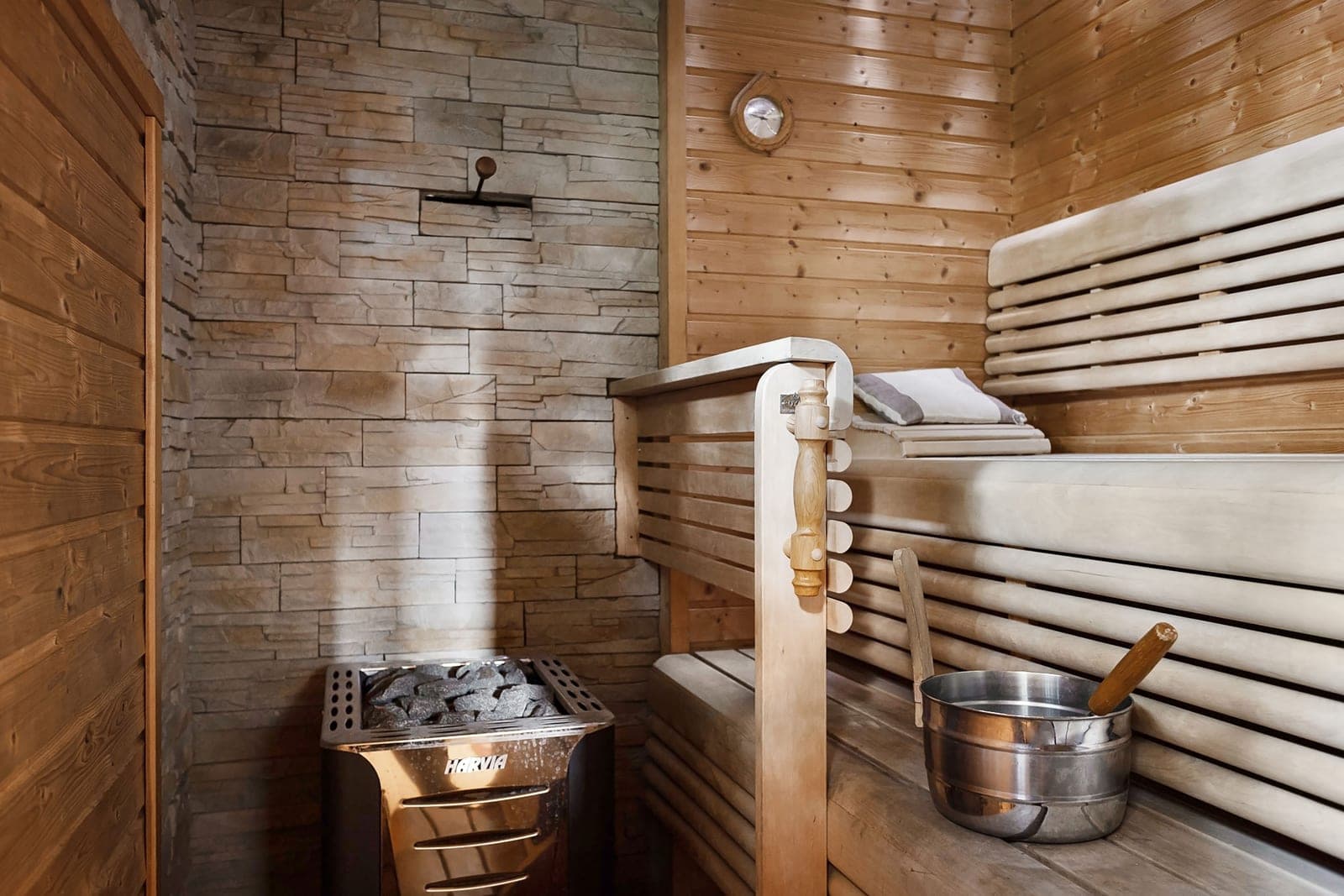
Electromagnetic fields (EMF) are produced by any electric heater, including the panels in an infrared sauna. "Low EMF" is a real, meaningful improvement — but it's also a marketing phrase with no single certification behind it, so here's how to read it honestly.
What EMF is, briefly
EMF here means the low-frequency electric and magnetic fields that surround any current-carrying wire or heating element. It is measured in milligauss (mG) for the magnetic component. Older ceramic-rod infrared heaters produced relatively high fields close to the body; modern carbon and carbon-fiber panels are designed to cancel much of that, which is what the "low EMF" and "ultra-low EMF" labels refer to.
Why the label alone isn't enough
There is no government standard that defines "low EMF" for a sauna, so any brand can print it. What separates the genuinely low-emission cabins is that they publish an actual milligauss figure, often measured at the bench where you sit. When a brand states, say, "under 3 mG at the body", that's a claim you can at least hold them to; when a listing just says "low EMF" with no number, treat it as marketing. We take every disclosed figure as a manufacturer claim, not a measurement we took — we don't own a gaussmeter lab.
How to buy for low EMF
- Prefer brands that publish a number, ideally measured at the seat rather than the heater surface.
- Carbon or carbon-fiber panels over old ceramic rods — the whole point of the modern designs.
- The low-EMF Golden Designs / Dynamic and Maxxus lines are the mainstream options that actually document it — see the best infrared saunas.
- If EMF is your top priority, a low-EMF sauna blanketis another option to weigh, with the same "is the number published?" test.
Keeping it in proportion
EMF is worth caring about and worth buying down where you easily can — but the research on low-frequency EMF at these levels is not the settled science either the alarmist or the dismissive corners of the internet claim. Buy a cabin that publishes a low figure, sit back from the panels where you can, and don't let EMF anxiety talk you out of a sauna habit whose cardiovascular benefits are far better evidenced (see the benefits guide).
Questions
Frequently asked
Are infrared saunas safe in terms of EMF?
What is a good EMF level for an infrared sauna?
Do sauna blankets have lower EMF than cabins?
Keep reading
Related
More in Infrared Saunas
Receipts
Sources
- National Institute of Environmental Health Sciences — Electric & Magnetic Fields overview
- Laukkanen T. et al., JAMA Internal Medicine 2015 — sauna use and cardiovascular mortality
We do not run a testing lab, and we do not pretend to. Product specs are transcribed from the manufacturer's own listing and cited as claims; health figures come from peer-reviewed studies, named and linked. Where we could not verify something, we say so on the page rather than quietly leaving it out. Read our full method.