HUB / INFRARED · Infrared Saunas
Infrared Sauna Electricity Cost: What It Really Costs to Run
A plug-in far-infrared cabin runs on a normal outlet, so its draw is modest. Here's how to think about the running cost honestly — the levers you control, and why infrared is cheaper to run than a hot traditional stove.
We earn a commission when you buy through our Amazon links, at no extra cost to you. It never affects our rankings, and we say so when the cheaper product is the better buy. How this works.
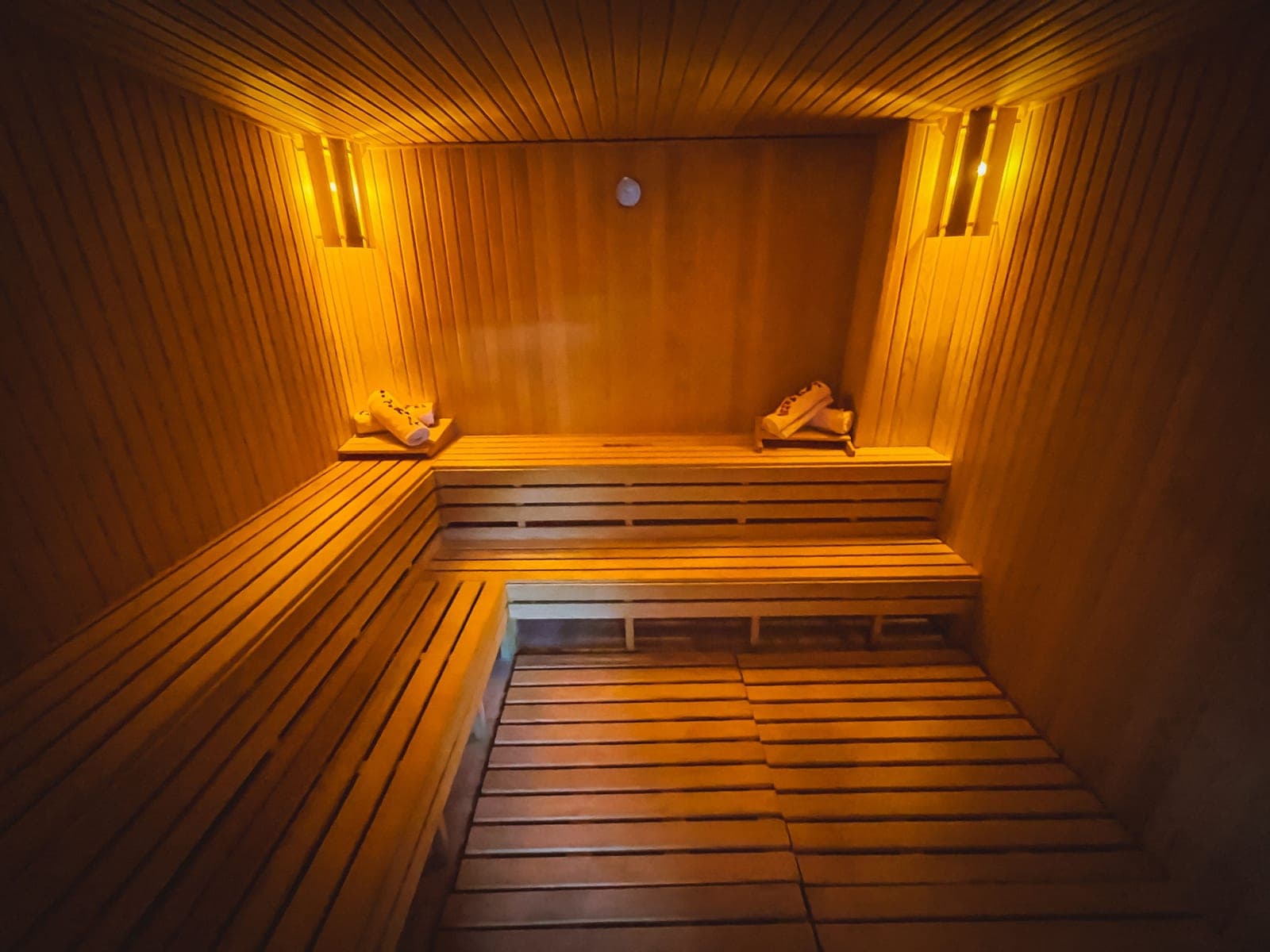
A plug-in far-infrared cabin is cheap to run — it draws power on a standard 120V household outlet, roughly comparable to running a couple of space heaters, and your actual bill depends on how long you use it and your local price per kilowatt-hour. The running cost is one of the best things about infrared, and it's also one of the most exaggerated online, with confident dollar figures that don't apply to your cabin, your habits or your electricity rate. Rather than invent numbers, this page shows you how to reason it out for yourself. For a full worked method across every sauna type, use our home sauna running cost guide.
Why an infrared cabin is cheap to run
The clue is the plug. Every far-infrared cabin we recommend runs on an ordinary 120V outlet, the same kind you'd plug a space heater into — and that ceiling on the draw is exactly why the running cost stays modest. It heats your body directly at a lower air temperature, so it doesn't have to blast a room to 180F the way a traditional stove does. In practical terms, the energy a session uses is in the ballpark of running a couple of space heaters for the length of your session — not the kind of load that reshapes an electricity bill. That's a real advantage over a 240V traditional cabin, and part of the ownership case we make in are infrared saunas worth it.
The formula, in plain words
Every running-cost estimate comes down to the same three things: how much power the cabin draws (listed on the product, in watts or kilowatts), how long you run it (pre-heat plus session, in hours), and your local price per kilowatt-hour. Multiply power by time to get the energy a session uses, then multiply by your rate to get the cost. The one number that isn't on the cabin is your electricity price — and it varies widely by state and season, which is why generic articles get it wrong. Look up the current average for your area from the U.S. EIA (or read it off your own utility bill), and use that as your input. We won't print a dollar figure here because an honest one has to use your rate, not a made-up national average.
The levers you actually control
Once the cabin is chosen, a handful of habits decide the bill. Session length is the biggest — a 20-minute session costs less than a 45-minute one, straightforwardly. Pre-heat timeis the quiet one people forget: the minutes spent warming the empty cabin before you get in count toward the energy used, so don't pre-heat far earlier than you need. Frequencystacks it up — four sessions a week costs about four times one, so factor in how often you'll really use it. Insulation and placementmatter too: a well-built cabin in a heated indoor room holds warmth better than one in a cold garage, so the heaters cycle less. None of these needs a spreadsheet; they're just the dials that move the cost up or down.
Infrared vs a traditional 240V stove
This is the comparison that matters most for cost. A traditional sauna uses a high-power rock stove — commonly in the 4.5 to 9 kilowatt range — on a dedicated 240V circuit, and it has to heat the whole room to a much higher temperature. An infrared cabin, drawing off a 120V outlet and running cooler, uses meaningfully less energy per session as a rule. So if running cost is high on your list, infrared has a real, structural edge — you're heating a body at a lower temperature, not a room to 180F. The trade-off is the experience: a traditional stove gives you real steam and loyly that infrared can't. Weigh both, don't just chase the cheaper bill, and see the full breakdown in how much does a home sauna cost.
Don't forget standby and the upfront cost
Two footnotes keep the picture honest. First, most cabins draw a tiny amount of standby power for the control panel when idle — negligible next to a session, but it exists; unplug it if you want it truly at zero. Second, running cost is only half of ownership: the purchase price and the (minimal, for a plug-in) install are the bigger numbers, and they're where you should focus the budget. A cheap-to-run cabin you overpaid for isn't a bargain. We cover the total cost of ownership in the running-cost and full-cost guides linked throughout.
Reasoning it out: a worked example, minus the numbers
Here's how to estimate your own cost without us inventing one. Find your cabin's power draw on the listing — it'll be in watts or kilowatts. Convert to kilowatts if needed (divide watts by 1,000). Add up the hours you'll run it in a typical session, pre-heat included, then multiply power by hours to get the energy that session uses in kilowatt-hours. Multiply that by your local price per kilowatt-hour — the number on your utility bill, or the current average for your state from the U.S. EIA — and you have the cost of one session. Multiply by sessions per week for a weekly figure, and by 52 for a year. That's the whole method, and it's honest precisely because it uses your cabin and your rate rather than a headline number that fits nobody.
Cabin vs blanket vs portable — which is cheapest to run?
Among the plug-in options, running costs track roughly with power and how much you're heating. A sauna blanketheats a small, close space around your body, so it's typically among the cheapest to run per session. A 1-person cabin heats a small enclosed box and is also modest. A larger 2-person cabinhas more air and surface to warm, so it uses a bit more, though it's still a 120V plug-in load. A portable tentsits in the same low ballpark as a small cabin. The differences here are minor next to the big one — infrared's whole class is cheap to run compared with a 240V traditional stove — so choose the format for how you want to sweat, not to shave pennies off an already-low bill.
Simple ways to keep the cost down
If you want the bill as low as it'll go, the levers are all habits. Keep sessions to the length you actually enjoy rather than leaving the cabin running. Pre-heat only as long as you need, and don't warm an empty cabin far in advance. Site the cabin in a heated indoor room rather than a cold garage so the heaters cycle less to hold temperature. Batch sessions if two of you use it, so you pre-heat once. And if your utility charges different rates at different times, running during off-peak hours can shave a little more. None of these is dramatic — the cabin was already cheap to run — but together they keep it that way.
The honest bottom line
An infrared sauna is inexpensive to run because it's a 120V plug-in that warms your body at a low air temperature — think along the lines of a couple of space heaters for the length of a session, not a bill-reshaping appliance. Your exact cost is your cabin's wattage times your session hours times your local rate; look that rate up from the EIA or your utility bill rather than trusting a generic figure. Control the cost with shorter sessions, sensible pre-heating and a well-placed cabin, and remember that infrared is cheaper to run than a hot 240V traditional stove. For the complete method with the math laid out, use our home sauna running cost guide.
Questions
Frequently asked
How much does it cost to run an infrared sauna?
Is an infrared sauna cheaper to run than a traditional sauna?
What affects the running cost of an infrared sauna most?
Does an infrared sauna need a special electrical circuit?
Keep reading
Related
More in Infrared Saunas
Receipts
Sources
We do not run a testing lab, and we do not pretend to. Product specs are transcribed from the manufacturer's own listing and cited as claims; health figures come from peer-reviewed studies, named and linked. Where we could not verify something, we say so on the page rather than quietly leaving it out. Read our full method.