HUB / INFRARED · Infrared Saunas
Can You Put an Infrared Sauna Outside?
Most indoor infrared cabins aren't weatherproof — put one out in the open and moisture, freeze-thaw and UV will ruin it. Here's what fails, the covered-space compromise, and when to buy a real outdoor sauna.
We earn a commission when you buy through our Amazon links, at no extra cost to you. It never affects our rankings, and we say so when the cheaper product is the better buy. How this works.
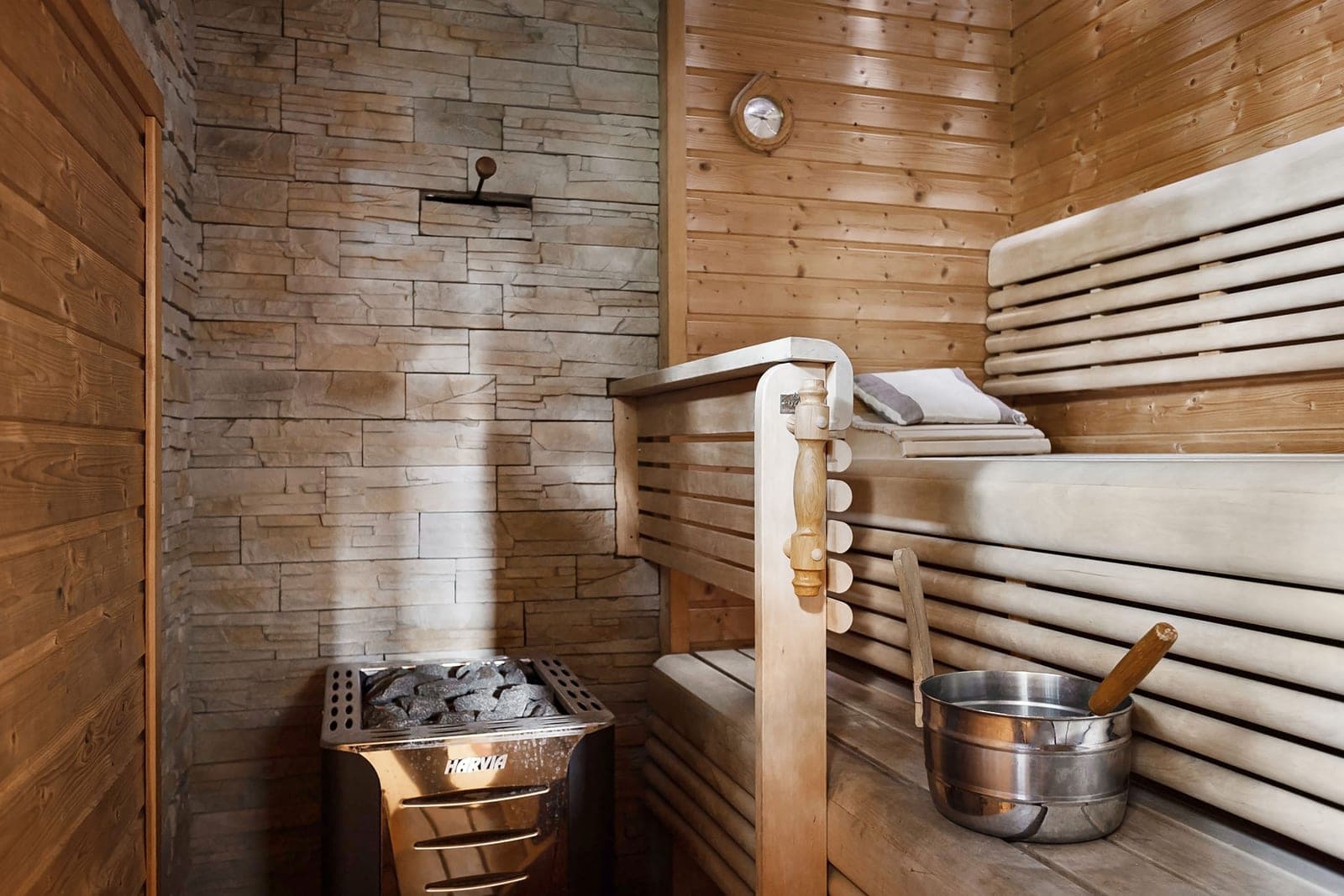
Most indoor infrared cabins are not rated for outdoor or uncovered use. The wood and the electronics simply aren't weatherproofed, so rain, humidity, freeze-thaw cycles and UV will degrade the cabin, can void the warranty, and can create a real electrical hazard. If you want a sauna outdoors, the safe options are a fully covered space or a purpose-built outdoor sauna — not an indoor cabin left in the open.
Why indoor cabins fail outdoors
An indoor infrared sauna is built on the assumption that it lives in a dry, climate-controlled room. Push it outside and several things go wrong at once. The hemlock or cedar panels absorb moisture, then swell, warp, cup and eventually rot or grow mildew — the flat, square panels an infrared cabin depends on stop being flat and square, so doors bind and joints gap. Freeze-thaw cycling accelerates all of that: water gets into the wood and the seams, freezes, expands and works the cabin apart over a winter or two. UV from direct sun bleaches and dries the wood and embrittles any plastic trim. None of this is what the cabin was designed for, and it's why manufacturers rate these units for indoor use only — going against that rating is exactly the kind of misuse that voids a warranty.
The electronics are the bigger worry
Wood damage is slow and visible; the electrical risk is neither. An infrared cabin's heaters, controller, wiring harness and connectors are built for a dry indoor environment. Outdoors, moisture and condensation can reach connections that were never sealed against water, which is both a reliability problem and a genuine safety hazard around mains electricity. Even a covered cabin needs its power supplied safely — that means a properly installed, weather-protected outdoor circuit with GFCI protection, which is a licensed-electrician job wired to the NFPA National Electrical Code. Running an indoor cabin off an extension cord to a garden is not a workaround; it's a fire and shock risk. If the wood doesn't get it, damp electronics eventually will.
Condensation, even under cover
Outdoor air carries the extra problem of condensation. A cabin that swings between cold night air and warm heating cycles, or that sits in a humid, unheated garage, collects moisture on and inside its panels and electronics even when rain never touches it. That slow, repeated dampness is enough to corrode contacts and encourage mildew over time. It's the reason even a well-sheltered indoor cabin outdoors is a compromise rather than a clean solution — you're managing a risk the cabin wasn't built to face, not eliminating it.
The covered-space compromise
If you're set on getting an indoor cabin closer to the outdoors, a fully covered, dry space is the realistic middle ground: an enclosed porch, a three-season room, or a dry garage that stays above freezing and out of the rain and direct sun. "Covered" has to mean genuinely protected from precipitation, splashback and UV, not just a patio umbrella — and it still needs a safe, weather-appropriate power supply and good ventilation to keep condensation down. Treat it as borrowing a little outdoor feel while keeping the cabin in indoor-like conditions, and check the manufacturer's wording, because some warranties draw the line at any non-conditioned space. Keeping the cabin dry and clean in that setting matters even more than usual, which is what our infrared sauna maintenance guide covers.
The real answer: buy a sauna built for outside
If what you actually want is a sauna in the garden, buy one designed for it. Purpose-built outdoor saunas — barrel saunas and outdoor cabins — use thicker, rot-resistant timber, weatherproof roofing and outdoor-rated electrics, and they're engineered to shrug off rain, snow and sun for years. That's a fundamentally different product from an indoor infrared cabin, and it's the right tool for the job. Our outdoor sauna guidewalks through saunas actually built for the weather, and if you're still deciding where a sauna belongs in the first place, outdoor vs indoor saunais the honest comparison. Forcing an indoor infrared cabin to do an outdoor sauna's job usually ends in a ruined cabin and a voided warranty.
Questions
Frequently asked
Can I keep an indoor infrared sauna outdoors?
What actually breaks if an infrared sauna gets rained on?
Is a covered porch or garage okay for an infrared sauna?
So how do I get a sauna in my backyard?
Keep reading
Related
More in Infrared Saunas
Receipts
Sources
We do not run a testing lab, and we do not pretend to. Product specs are transcribed from the manufacturer's own listing and cited as claims; health figures come from peer-reviewed studies, named and linked. Where we could not verify something, we say so on the page rather than quietly leaving it out. Read our full method.