HUB / INFRARED · Infrared Saunas
How to Maintain an Infrared Sauna
An infrared cabin is one of the lowest-maintenance saunas you can own — no water, no rocks, no rot. Here's the short routine that keeps it clean, odor-free and lasting, and the few checks people forget.
We earn a commission when you buy through our Amazon links, at no extra cost to you. It never affects our rankings, and we say so when the cheaper product is the better buy. How this works.
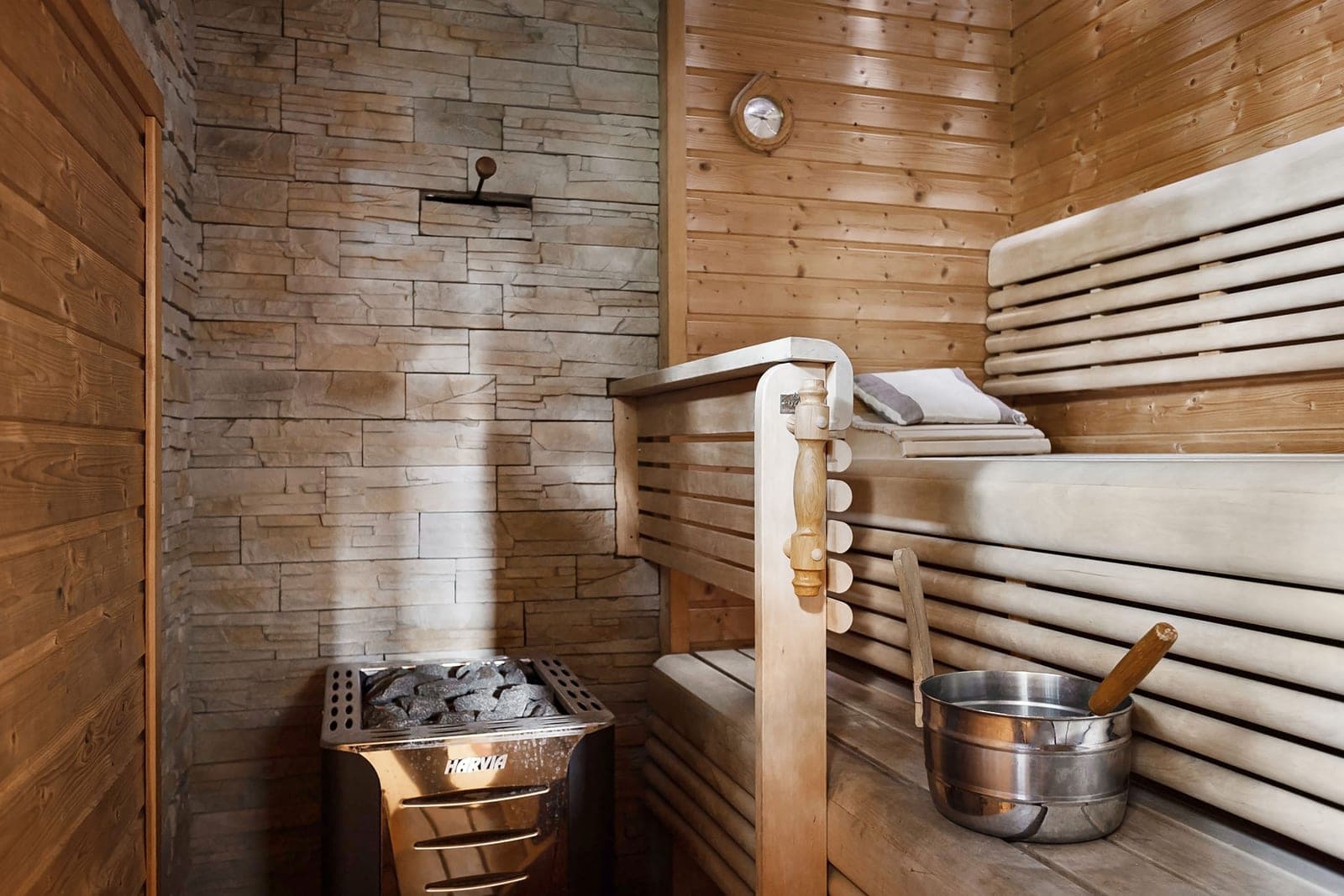
An infrared sauna is about the lowest-maintenance sauna there is — there's no water, no rock stove and no steam, so nothing rots and nothing scales. The whole job is keeping sweat off the wood, letting the cabin dry, and occasionally checking the heaters and the electrical connection. Do the two-minute wipe-down after each session and a slightly deeper clean once a month and the cabin will look and smell new for years. Here's the routine, plus the handful of checks owners forget.
After every session — the two-minute wipe-down
The single most important habit is dealing with sweat while it's fresh. You sweat directly onto the bench and back wall in an infrared cabin, and dried-in sweat is what eventually causes staining and odor. After you finish and the cabin has cooled a little, wipe the bench, backrest and any surface you touched with a damp microfiber cloth — plain water is enough, or water with a splash of mild soap. Then leave the door open so the interior dries fully rather than trapping humidity. A towel to sit on during every session cuts the sweat load dramatically and is the easiest upgrade you can make; a thermometer-hygrometer and a couple of dedicated sauna towels are the only accessories most infrared owners actually need.
Once a month — the deeper clean
Every few weeks, give the interior a proper going-over. Lightly sand out any stubborn sweat marks on the bench with fine-grit sandpaper — raw sauna wood is meant to be cleaned this way, not sealed or varnished, so a light sand lifts stains and refreshes the surface. Vacuum the floor and corners where dust and skin cells collect. Wipe the interior wood down with a well-wrung damp cloth and, if you want, a diluted natural cleaner; avoid bleach, ammonia and strong chemical sprays, which the wood absorbs and then bakes into the air on the next session. Wipe the glass door with a standard glass cleaner on the outside only, and plain water on the inside.
Wood care — leave it raw
The most common infrared-sauna mistake is treating the wood like furniture. Do not varnish, seal, oil or paint the interior. Sauna cabins — hemlock, cedar or basswood — are designed to be bare so they can breathe and release moisture; a sealant traps humidity, can off-gas when heated and ruins the point of a natural wood cabin. Bare wood also naturally silvers and mellows over time, which is normal and not damage. The only wood "treatment" an infrared cabin needs is the occasional light sand described above. If you specifically wanted the aroma and rot resistance of cedar, that's a purchase decision, not a maintenance one — see cedar vs hemlock.
The heaters and electrical — the checks people skip
Infrared heaters are solid-state carbon or carbon-fiber panels with no moving parts, so they rarely need anything — but two quick checks are worth doing a couple of times a year. First, look over the heater panels and their wiring connections for any discoloration, loose connectors or damage; a panel that has stopped warming usually shows a failed connection rather than a failed element, and it's a warranty item on most cabins. Second, check how the cabin is powered: an infrared sauna draws real current, so it should be on its own outlet, not sharing a circuit with other heavy loads or running through a thin extension cord. If the plug or outlet ever feels hot, stop and have it looked at. For a new install, our sauna electrical requirements guide covers what a cabin needs from the wall.
Keeping it fresh between uses
Odor is almost always a moisture problem, and the fix is airflow. Leave the door ajar after every session until the interior is dry, and don't store damp towels or robes inside the cabin between uses. If the sauna sits in a basement or another humid room, the surrounding humidity matters as much as the sauna's own — a room that never dries out will keep any wood smelling musty. A cabin that's wiped down and allowed to dry simply doesn't develop odor; if yours has, a deep clean and a few days with the door open and good ventilation will reset it.
The honest bottom line
Compared with a traditional rock-stove sauna — which has stones to refresh, a heater to service and constant humidity to manage — an infrared cabin is genuinely easy to live with. Wipe it down after each use, sand and vacuum it monthly, keep the wood raw, glance at the heaters and the power a couple of times a year, and let it dry between sessions. That's the whole job. Doing it consistently is what separates a cabin that still looks new at year five from one that's stained and musty at year two. If you're still choosing a cabin, start with the best infrared saunasroundup; if you're weighing infrared against a traditional build and its heavier upkeep, our infrared vs traditional sauna guide lays out the trade.
Questions
Frequently asked
How do you clean an infrared sauna?
Should you seal or varnish the wood in an infrared sauna?
Do infrared saunas need much maintenance?
Why does my infrared sauna smell musty?
Keep reading
Related
More in Infrared Saunas
Receipts
Sources
We do not run a testing lab, and we do not pretend to. Product specs are transcribed from the manufacturer's own listing and cited as claims; health figures come from peer-reviewed studies, named and linked. Where we could not verify something, we say so on the page rather than quietly leaving it out. Read our full method.