HUB / INFRARED · Infrared Saunas
Infrared Sauna Benefits: The Honest Version
Relaxation, recovery, and a heart-health association worth understanding — separated from the detox-and-weight-loss hype. Here's what the evidence supports, what it doesn't, and where infrared differs from a hot Finnish sauna.
We earn a commission when you buy through our Amazon links, at no extra cost to you. It never affects our rankings, and we say so when the cheaper product is the better buy. How this works.
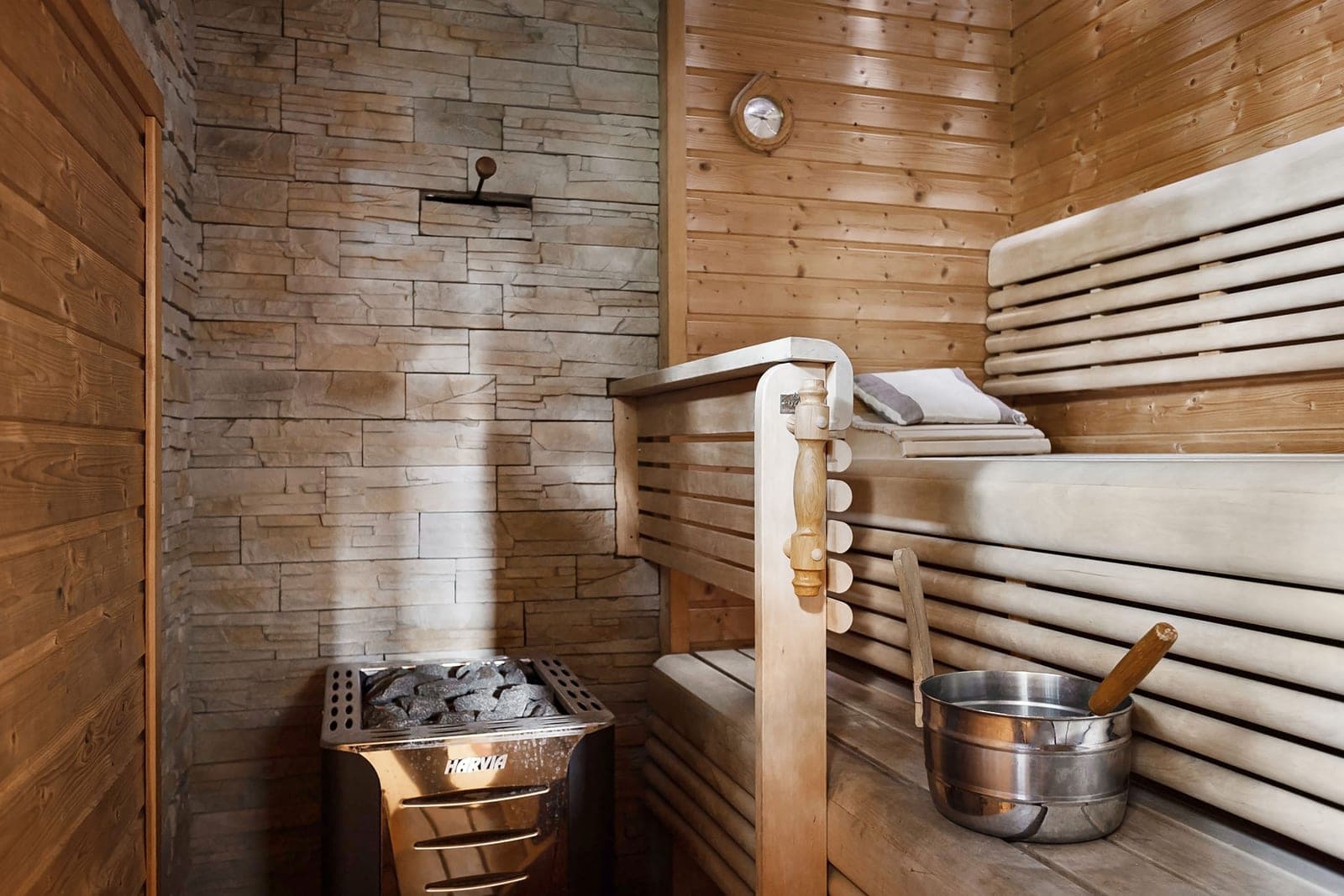
The honest case for an infrared sauna is relaxation, recovery, and a heart-health association drawn from sauna research — a genuinely good pitch, and one that doesn't need the detox-and-weight-loss hype bolted on top. Infrared saunas are marketed with some of the boldest wellness claims in the home, and a lot of it outruns the evidence. This page separates what's well-supported from what's oversold, and it's careful about one thing most articles gloss over: nearly all the large studies people cite were done on hot, traditional Finnish saunas, not infrared cabins. This is general information, not medical advice.
What an infrared sauna actually does
Mechanically, an infrared cabin is different from a traditional sauna. Instead of heating the air to 170-190F and letting the hot air warm you, infrared heaters emit far-infrared radiation that warms your body more directly at a much lower air temperature, usually around 120-140F. You still sweat, and it still feels like a sauna, but the room is cooler and the heat feels gentler — which is the single most-liked thing about infrared. That lower-temperature experience is the real, uncontroversial benefit: for many people it's more comfortable and easier to sit in for a full session than a hot rock-stove sauna. For how the two heat types differ in full, see our infrared vs traditional sauna guide.
Relaxation and recovery — the most solid case
The benefit that's hardest to argue with is also the least glamorous: sitting in gentle heat is relaxing, and a lot of people use it to wind down, manage stress, and feel better after training. Warmth is comforting, the session is a screen-free pause, and heat can ease the feeling of tight, tired muscles. These are largely subjective, quality-of-life benefits rather than proven clinical outcomes — but they're real reasons people use and enjoy their cabins, and they don't require overstating anything. If the reason you want a sauna is to decompress and recover, that's a sound reason on its own.
The cardiovascular association — read this carefully
The most-cited health research on saunas is genuinely interesting, and it's also the most misused. A large, long-running Finnish study found that men who used a sauna more frequently had lower rates of cardiovascular and all-cause mortality over the follow-up period (JAMA Internal Medicine), and a later review summarized cardiovascular and other associations across the literature (Mayo Clinic Proceedings). Two honest caveats matter enormously here. First, these are observational associations, not proof that sauna use causes better outcomes — regular sauna bathers may differ in other ways. Second, and specific to this page: those studies were done on hot, traditional Finnish saunas, not infrared cabins. It's reasonable to hope some benefit carries over to infrared, but it has not been shown to the same degree, and anyone claiming an infrared cabin delivers the exact outcomes of that Finnish research is going past the evidence. This is general information, not medical advice.
The gentler, lower-temperature experience
One underrated, entirely honest benefit is accessibility. Because an infrared cabin runs cooler than a traditional sauna, people who find 180F rock-stove heat overwhelming — or who simply want a longer, calmer session — often find infrared far easier to tolerate. It also plugs into a standard outlet, so it's easier and cheaper to own and run than a 240V traditional cabin. None of that is a clinical claim; it's a practical one, and it's a big part of why infrared cabins sell. We weigh the ownership case in are infrared saunas worth it.
What about EMF?
Infrared cabins are often marketed on "low EMF" or "ultra-low EMF" ratings, and it's worth understanding what that is and isn't. The rating describes how much electric and magnetic field a heater emits — a spec you can compare between cabins — not a health verdict. For the underlying science, the neutral reference is the NIEHS, which treats everyday low-level EMF exposure as an area of ongoing research rather than established harm. So a low-EMF rating is a sensible tie-breaker between similar cabins, not a benefit that will change your health. Our infrared sauna EMF explained guide goes deeper.
What the evidence does not support
Now the honest deflation. "Detox."Sweat is mostly water and salt; your liver and kidneys do the actual detoxifying, and there's no good evidence that sweating in a cabin meaningfully clears toxins beyond that. Weight loss.The pound or two the scale drops after a session is water you'll rehydrate within hours, not fat — a real effect, but not fat loss. Curing conditions. An infrared cabin is a comfort-and-wellness device, not a treatment, and no honest reading of the evidence supports specific disease claims. Treat any listing that leads with detox, big calorie-burn numbers, or cure-all language as marketing, and buy for the relaxation, recovery and comfort that are actually real. For the broader picture across sauna types, see our sauna benefits guide.
Sleep, stress and mood
Among the softer benefits, the one people report most consistently is that a warm session helps them unwind and wind down for sleep. The mechanism is intuitive rather than proven: gentle heat is relaxing, the session is a deliberate screen-free pause, and the cool-down afterward can feel settling before bed. We'd call this a real, valued quality-of-life effect rather than a clinical claim — plenty of owners buy a cabin largely for the calm it adds to their evening, and that's a legitimate reason. What we won't do is dress it up as a guaranteed sleep cure; if sleep is a serious problem, a sauna is a pleasant supporting habit, not a substitute for addressing the cause. This is general information, not medical advice.
Skin, circulation and the claims in between
You'll see infrared cabins marketed for glowing skin, circulation and "deep tissue" effects. Here's the honest read: heat does temporarily increase blood flow to the skin — that flushed, warm feeling is real — and sweating rinses the skin surface, which some people simply enjoy. But durable claims about anti-aging, cellulite or collagen from a heat cabin run well ahead of the evidence, and much of that marketing borrows from red-light research that's a different thing entirely. We separate the two in infrared sauna vs red-light therapy. Enjoy the pleasant, temporary warmth and the post-session feeling; treat specific skin-transformation promises with skepticism.
Who should be more cautious
Heat is not for everyone without a conversation first. Anyone who is pregnant, has a heart condition, low or unstable blood pressure, or is on medication that affects heat tolerance or hydration should check with a clinician before using any sauna, infrared included — and children and older adults tolerate heat differently and should keep sessions short and supervised. The gentler temperature of an infrared cabin doesn't remove these cautions; it just makes the heat easier to sit in. Hydrate, don't combine sessions with alcohol, and step out if you feel dizzy or unwell rather than pushing through. None of this means the sauna is off-limits — it means starting gently and getting personalized advice. This is general information, not medical advice.
The honest bottom line
An infrared sauna is a genuinely nice thing to own for the right reasons: a comfortable, lower-temperature way to relax, decompress and recover, plus a plausible-but-unproven share of the cardiovascular association seen in traditional-sauna research. That's a strong, truthful pitch. What it isn't is a detox machine, a weight-loss shortcut, or a medical treatment — and a low-EMF rating is a spec, not a health outcome. Buy one because you'll use it and enjoy it, not because of the boldest claim on the box. If you want to explore the light-therapy angle some cabins add, read infrared sauna vs red-light therapy. This is general information, not medical advice — check with your own doctor before starting heat therapy, especially if you're pregnant or have a heart or blood-pressure condition (Finnish Sauna Society).
Questions
Frequently asked
What are the benefits of an infrared sauna?
Do infrared saunas have the same health benefits as traditional saunas?
Do infrared saunas detox your body or help you lose weight?
Is the low EMF of an infrared sauna a health benefit?
Keep reading
Related
More in Infrared Saunas
Receipts
Sources
- Laukkanen T. et al., JAMA Internal Medicine 2015 — sauna use and cardiovascular mortality
- Laukkanen J. et al., Mayo Clinic Proceedings 2018 — cardiovascular and other health benefits of sauna bathing (review)
- NIEHS — electric and magnetic fields (EMF)
- Finnish Sauna Society (Suomen Saunaseura) — traditional sauna bathing and loyly
We do not run a testing lab, and we do not pretend to. Product specs are transcribed from the manufacturer's own listing and cited as claims; health figures come from peer-reviewed studies, named and linked. Where we could not verify something, we say so on the page rather than quietly leaving it out. Read our full method.