HUB / INFRARED · Infrared Saunas
Are Infrared Saunas Safe?
For most healthy adults using them sensibly, an infrared sauna is a low-risk heat habit. The honest nuance is in EMF, heat tolerance and who should ask a doctor first — here it is, without the scare stories or the hype.
We earn a commission when you buy through our Amazon links, at no extra cost to you. It never affects our rankings, and we say so when the cheaper product is the better buy. How this works.
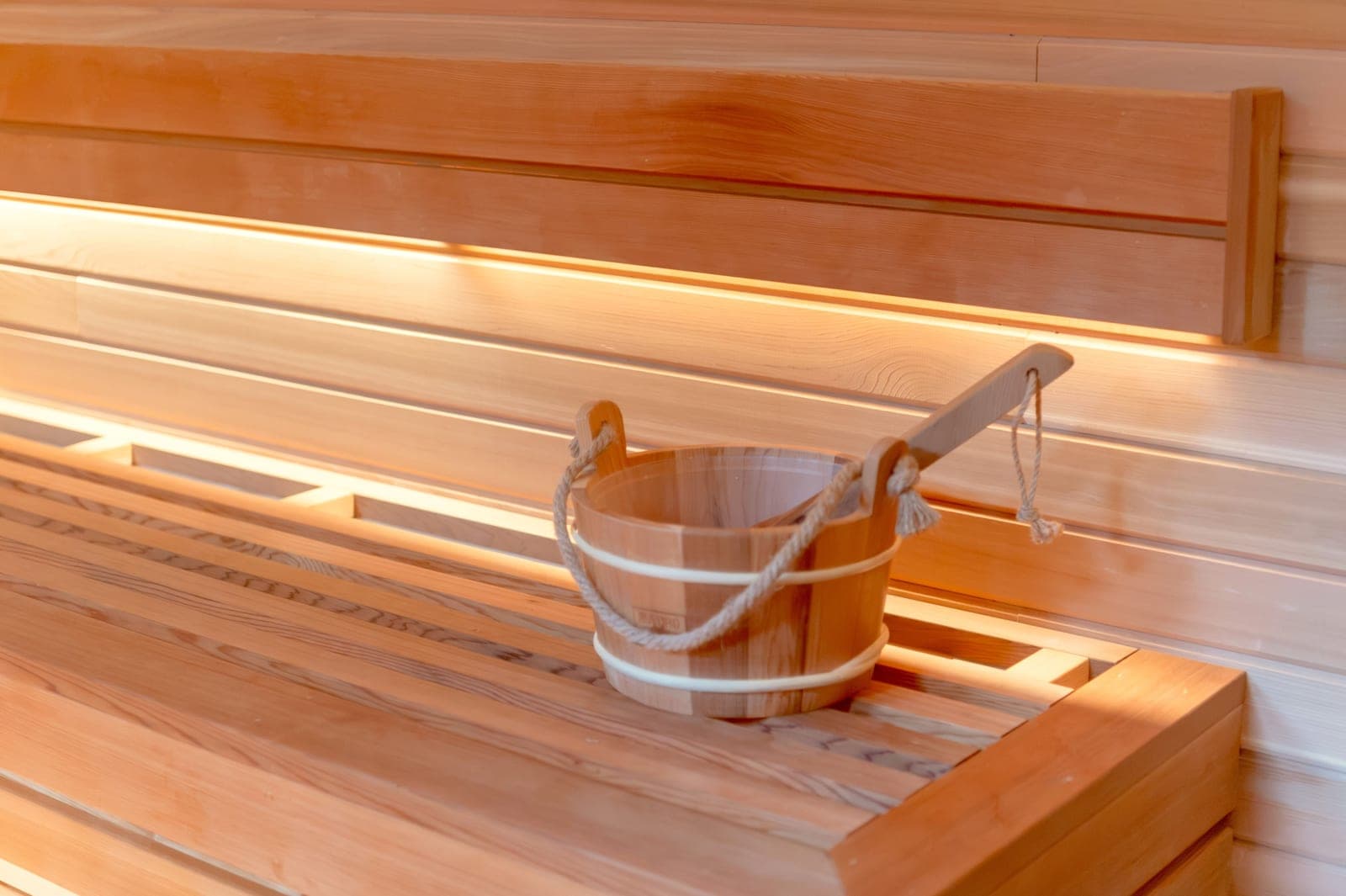
For most healthy adults, an infrared sauna used sensibly is a low-risk way to sweat and relax. It heats your body at a gentler air temperature than a traditional sauna, so it is often more comfortable for people who find 180°F hard to tolerate. The honest caveats are the same three every heat habit carries — don't overheat, stay hydrated, and get out if you feel unwell — plus two infrared-specific questions people ask about: EMF and who should check with a doctor first. This is general information, not medical advice. Here is the honest picture of what "safe" does and doesn't mean for an infrared sauna.
The basic safety picture
An infrared sauna warms you with infrared heat that your body absorbs directly, so the surrounding air sits around 120–140°F rather than the 160–190°F of a traditional room. That lower air temperature is a big part of why many people find infrared gentler and easier to sit in for longer — the load on your body comes from the sustained heating and the sweating, not from scorching air. For a healthy adult, the main risks are the ordinary ones of any sauna: overheating, dehydration, and lightheadedness if you stand up too fast or stay in too long. Those are manageable with the same common-sense rules we lay out in sauna safety and how long to stay in a sauna: start with shorter sessions, drink water, and never push through feeling unwell.
What about EMF?
The infrared-specific worry you'll see most is EMF — the low-frequency electromagnetic fields that any electric heating element produces. It is worth caring about and worth buying down where you easily can, which is exactly why the better cabins publish a low EMF figure and why we track it in best low-EMF infrared saunas. But be honest about the state of the evidence: the research on low-frequency EMF at the levels a modern carbon-panel cabin produces is not the settled catastrophe the alarmist corners of the internet claim, nor is it nothing. The sensible response is neither panic nor dismissal. Buy a cabin that publishes a low number, sit back from the panels rather than pressed against them, and don't let EMF anxiety talk you out of a habit whose benefits are far better evidenced. We walk through the actual physics and the numbers in infrared sauna EMF explained.
Is infrared radiation dangerous?
A common mix-up is between infrared and the harmful radiation people rightly worry about. Infrared is not ionizing radiation and it is not UV — it will not damage DNA or give you a sunburn. It is the same band of warmth you feel from the sun on your skin or from a warm stone, just delivered deliberately. The heat itself is the thing to respect: like any sauna, an infrared cabin can overheat you if you ignore your body. But the word "radiation" in "infrared radiation" does not mean the dangerous kind, and it's worth being clear about that so the decision is about real risks — heat and hydration — not imaginary ones.
Who should check with a doctor first
Heat places genuine demands on your cardiovascular system, so an infrared sauna is not automatically right for everyone, and some people should get personalized advice before starting a regular habit. Talk to your own doctor first if you have a heart condition, low or high blood pressure, are pregnant (see our cautious note on sauna and pregnancy), have a chronic illness, or take medication that affects your heat tolerance, blood pressure or hydration. Alcohol and saunas are a bad mix for the same reasons we spell out in sauna and alcohol. None of that means an infrared sauna is unsafe — it means the safe version of it depends on you, and a clinician who knows your situation is the right person to draw that line.
Sensible-use habits that keep it low-risk
- Hydrate before and after. You will sweat, and dehydration is the most common way a pleasant session turns into a headache or dizziness.
- Start short.Ten to fifteen minutes is plenty when you're new; build up only if it feels good.
- Listen to your body.Dizzy, nauseous, faint or simply "I need to leave" means get out and cool down — there is never a reason to tough out heat.
- Get up slowly and cool down gradually afterward, as in how to cool down after a sauna.
The honest bottom line
Are infrared saunas safe? For most healthy adults using them sensibly, yes — they're a low-risk, genuinely enjoyable heat habit, and the gentler air temperature makes them easier to tolerate than a traditional room. The real questions are ordinary heat-and-hydration common sense, a reasonable (not fearful) eye on EMF, and an honest "check with your doctor first" for anyone with a health condition or who is pregnant. Handle those and the safety question mostly answers itself. If you want the wider cost-benefit view, that's are infrared saunas worth it. This is general information, not medical advice.
Questions
Frequently asked
Are infrared saunas safe for most people?
Is the EMF from an infrared sauna dangerous?
Is infrared radiation harmful?
Who should not use an infrared sauna?
Keep reading
Related
More in Infrared Saunas
Receipts
Sources
- Mayo Clinic Proceedings (2018) — health effects of sauna bathing
- Finnish Sauna Society — sauna tradition and practice
We do not run a testing lab, and we do not pretend to. Product specs are transcribed from the manufacturer's own listing and cited as claims; health figures come from peer-reviewed studies, named and linked. Where we could not verify something, we say so on the page rather than quietly leaving it out. Read our full method.