HUB / INFRARED · Infrared Saunas
Are Infrared Saunas Worth It?
A straight answer for a four-figure decision: what an infrared cabin genuinely delivers, where the marketing outruns the evidence, and the three types of buyer who should skip one.
We earn a commission when you buy through our Amazon links, at no extra cost to you. It never affects our rankings, and we say so when the cheaper product is the better buy. How this works.
For the right buyer, yes — with the marketing turned down. An infrared cabin is the easiest, cheapest-to-install way to build a genuine home sauna habit, and a regular heat-bathing routine has real associations with cardiovascular health in the research. But it is not a weight-loss machine, not a detox device, and not automatically better than a traditional sauna. Whether it is worth it comes down to what you actually want from the heat — and there are three types of buyer who should not buy one at all.
What an infrared sauna genuinely delivers
The honest case for infrared is convenience and consistency. Because the panels warm your body directly rather than heating the whole room to 180F, a far-infrared cabin runs at a gentler 120-140F, reaches temperature quickly, and — crucially — plugs into a standard 120V outlet with no electrician and no dedicated circuit. That low barrier is the real product: a sauna you will actually use three or four times a week beats a hotter, more authentic one that is too much hassle to fire up. The comfort of the lower temperature also means longer, more relaxed sessions for people who find a traditional sauna's heat punishing.
On the health side, be precise about what the evidence supports. Large observational studies of regular sauna users — most famously a long-running Finnish cohort published in JAMA Internal Medicine and reviewed in Mayo Clinic Proceedings — associate frequent sauna bathing with better cardiovascular outcomes. That research is largely on traditional Finnish saunas, and it shows association, not proof of cause. It is a genuine, encouraging reason to build a heat habit; it is not a promise that a specific cabin will lengthen your life. Our sauna benefits guide lays out where the evidence is strong and where it thins out.
Where the marketing outruns the evidence
Three claims deserve a skeptic's eye. Weight loss: you will lose water weight in a session and regain it the moment you rehydrate — there is no meaningful fat loss from sitting in heat. Detox:your liver and kidneys handle detoxification; sweat is overwhelmingly water and salt, and the "releasing toxins" framing is marketing, not physiology. EMF fear, in the other direction: low-EMF ratings are a reasonable thing to prefer, but the science on low-level EMF exposure is unsettled and the fields involved sit in the range of ordinary household appliances (NIEHS). Buy an infrared sauna for the heat habit and the relaxation, which are real. Do not buy it on the strength of the claims that are not.
What it costs to run — the number that surprises people
The pleasant surprise: an infrared cabin is cheap to run. A 2-person far-infrared cabin draws roughly 1.6-1.8kW, so at the U.S. average residential electricity rate a 30-40 minute session costs only cents. Over a year of regular use, running cost is a rounding error next to the purchase price — we show the full arithmetic, using EIA rate data, on the running-cost page. The cost that actually matters is the upfront one, which is why sizing honestly and not overbuying is the single biggest lever on value.
The three buyers who should skip it
Being honest about who shouldn't buy is how you trust a recommendation. Skip an infrared cabin if you are:
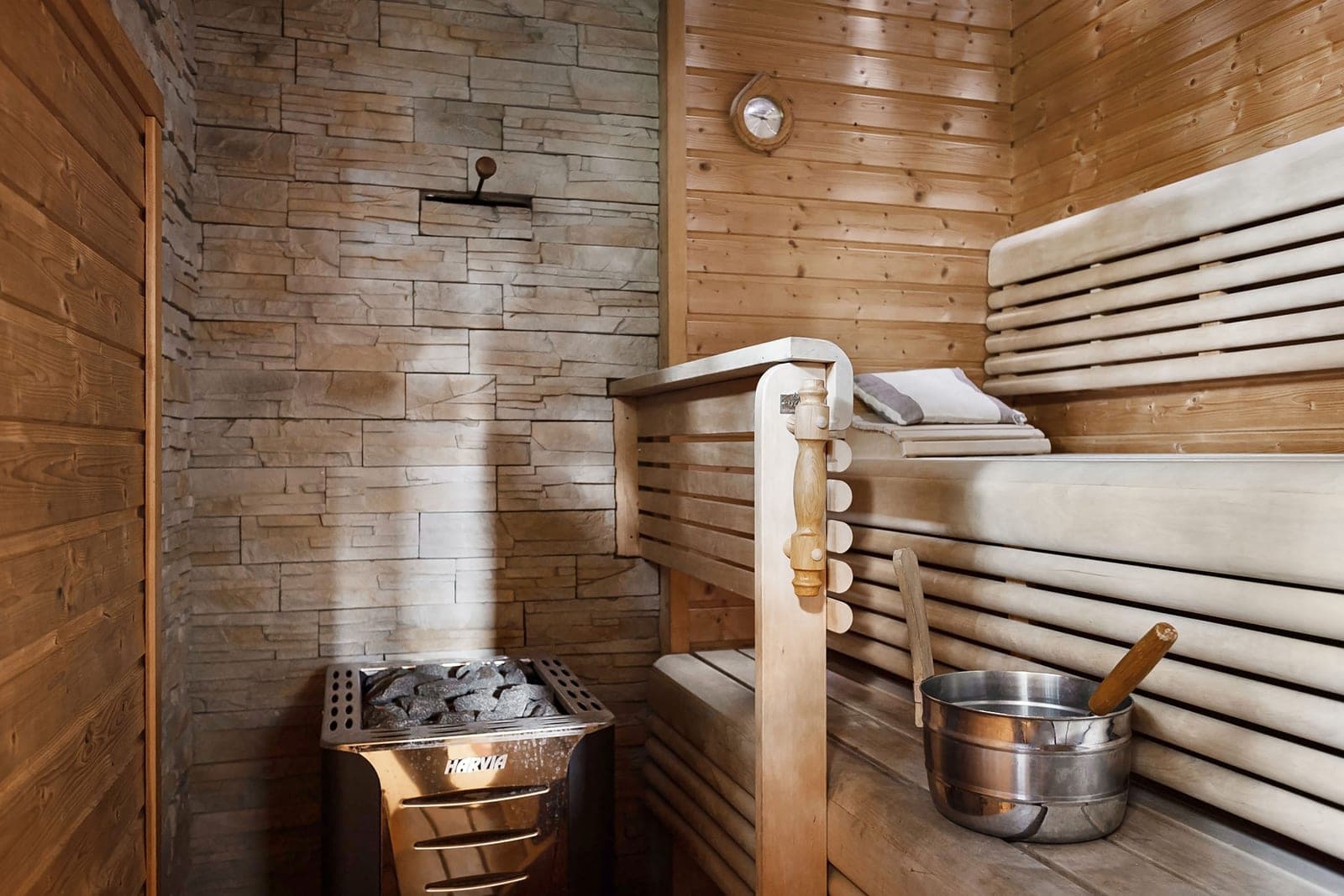
- A loyly purist. If the ritual you want is throwing water on hot stones for a burst of steam, infrared cannot give it to you — there are no rocks. You want a traditional rock-stove sauna; see infrared vs traditional for the full comparison.
- Just testing the water, or renting. If you are not sure the habit will stick, or you cannot install a cabin, a sauna blanket or a portable gets you the heat for a fraction of the price and none of the commitment.
- Chasing weight loss or detox specifically. If those are your reasons, the product will not deliver and you will be disappointed. Buy it for relaxation and a heat habit, or do not buy it.
So — worth it?
If you want an easy-to-install, comfortable, genuinely-used home sauna and you are clear-eyed about the health claims, an infrared cabin is one of the better four-figure wellness purchases you can make — and cheap to run once it is in. Start with the value 2-person cabins in our under-$2,000 roundup, size honestly, and skip the upsells that do not change the experience. If any of the three skip conditions describe you, spend the money differently — that is the worth-it answer too.
Questions
Frequently asked
Are infrared saunas actually good for you?
Do infrared saunas help you lose weight?
Are infrared saunas expensive to run?
Should I buy an infrared sauna or a traditional one?
Keep reading
Related
More in Infrared Saunas
Receipts
Sources
- Laukkanen T. et al., JAMA Internal Medicine 2015 — sauna use and cardiovascular mortality
- Laukkanen J. et al., Mayo Clinic Proceedings 2018 — cardiovascular and other health benefits of sauna bathing
- NIEHS — electric and magnetic fields (EMF) health topic
- U.S. EIA — average retail price of electricity (residential)
We do not run a testing lab, and we do not pretend to. Product specs are transcribed from the manufacturer's own listing and cited as claims; health figures come from peer-reviewed studies, named and linked. Where we could not verify something, we say so on the page rather than quietly leaving it out. Read our full method.