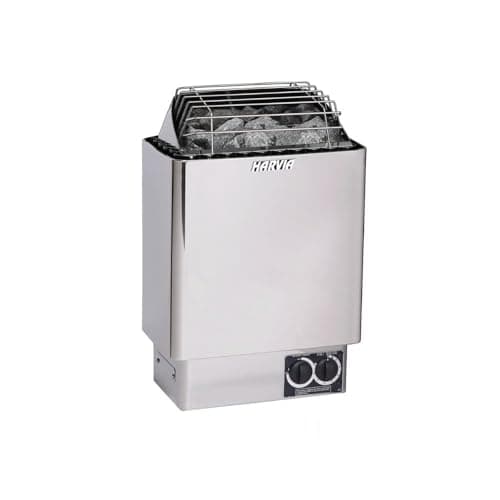
The Harvia KIP is the sauna heater to buy — but only in the right kW for your room. Size the heater to the space first, brand second: a small 2-person cabin wants about 4.5kW, a big room 8-9kW. Once the kW is set, Harvia is the buy-once premium, Turku the value pick, and VEVOR the lowest-cost way to get the same heat.
Get the kW right before you get the brand right
Almost every problem people have with a sauna heater traces back to power, not brand. Buy too little and the stove runs flat out and still never reaches a proper 175-190F; buy too much and it overshoots and wastes energy. The rule of thumb is roughly 1kW for every 45 cubic feetof well-insulated room, adjusted up for a glass door or uninsulated walls. That's the whole game, and we walk it through on the sauna heater size guide. Every pick below is filed under the room size it actually suits, so the ranking is really two rankings — big-room heaters and small-room heaters — with a brand tier inside each.
The three brands, in one breath
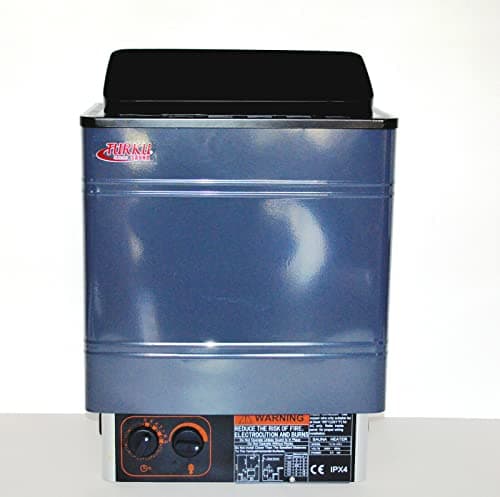
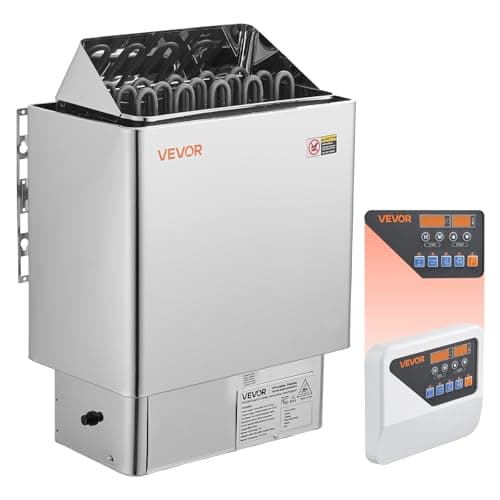
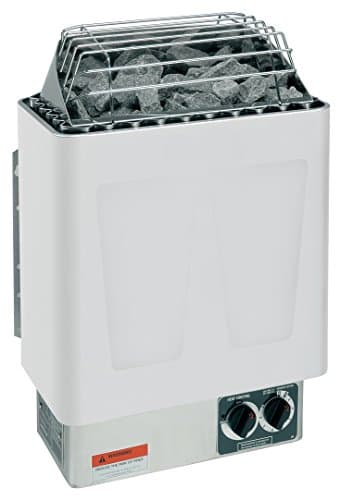
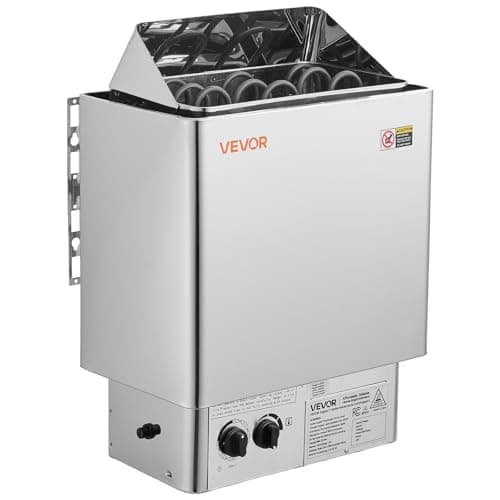
Harvia is the reference residential brand: first-rate build, stones in the box, and the deepest parts and replacement-stone network so the stove outlasts a decade of hard use. Turku is the sensible middle — wet/dry rated stoves at a mid price that undercut Harvia while doing the same job, with a shallower support network as the trade-off. VEVOR is the budget line: the cheapest route to a given kW, honest about being a buy-cheap stove, and the 9kW even throws in an external digital controller. Buy Harvia to buy once, Turku to save sensibly, VEVOR to spend the least.
What we ranked on
- Heat output, sized honestly. The right kW for the room the stove is meant for — an 8kW Harvia is a great heater and the wrong one for a 2-person cabin.
- Build and longevity. Harvia sets the bar; Turku and VEVOR trade some of it for price, and we say where.
- Controls. Built-in knob-and-timer versus an external digital controller you set from outside the hot room.
- Install reality. Nearly all of these need a 240V circuit and an electrician — a stove that draws less is a lighter, cheaper hookup.
- Value at the live price.The Value score moves with the price, because "is it worth it?" is a money question and the money changes weekly.
How to actually choose a sauna heater
Size the kW to your room first
This is the decision the whole purchase hangs on. Measure your sauna's length, width and height, multiply for cubic feet, and allow roughly 1kW per 45 cubic feet of well-insulated space. Add power for a glass door or window (glass leaks heat, so count it as extra volume) and for uninsulated or log walls. A small 2-person room lands around 4.5kW; a 3-4 person room around 6kW; a 5-6 person room around 8-9kW. The full method, with a room-size-to-kW table, is on the size guide.
Built-in vs external controls
Most stoves put a temperature knob and timer on the heater body — simple, cheap to install, but you set it from inside the hot room. An external digital controller (the VEVOR 9kW comes with one) mounts outside the sauna, so you can set a target temperature and a start timer and walk in to a room that's already hot. If pre-heating without opening the door matters to you, that's worth paying for; if you don't mind a knob, built-in is one less thing to wire.
Wet/dry rating, if you want loyly
Loyly — the burst of steam from throwing water on hot stones — is the heart of a traditional sauna. Only a stove rated wet/dry(the Turku models here are) is designed for water on the rocks; pouring water over a dry-only heater's elements can damage it. If you'll ladle water, confirm the wet/dry rating on the listing before you buy.
Plan the 240V install
Effectively all of these are 240V single-phase stoves that need a dedicated circuit and, realistically, a licensed electrician — this is not a plug-in appliance. The bigger the kW, the heavier the circuit and the more the wiring costs, so a 4.5kW heater is a lighter, cheaper hookup than a 9kW one. Confirm your panel can spare the load before you order the stove, and fold the electrician into your budget from the start.
Check whether stones are included
An electric sauna stove heats a cage of stones, and those stones are what radiate the heat and hold the loyly. Harvia includes them; budget stoves often ship the heater alone, so you buy a bag of sauna stones separately. It's a small cost, but factor it in so a "cheaper" stove is actually cheaper once it can run.