HUB / GUIDES · Sauna Guides
What Temperature Should a Sauna Be?
Traditional Finnish saunas run 150-195F; infrared cabins feel great at 120-140F. Here's why the numbers differ so much, and what's actually safe.
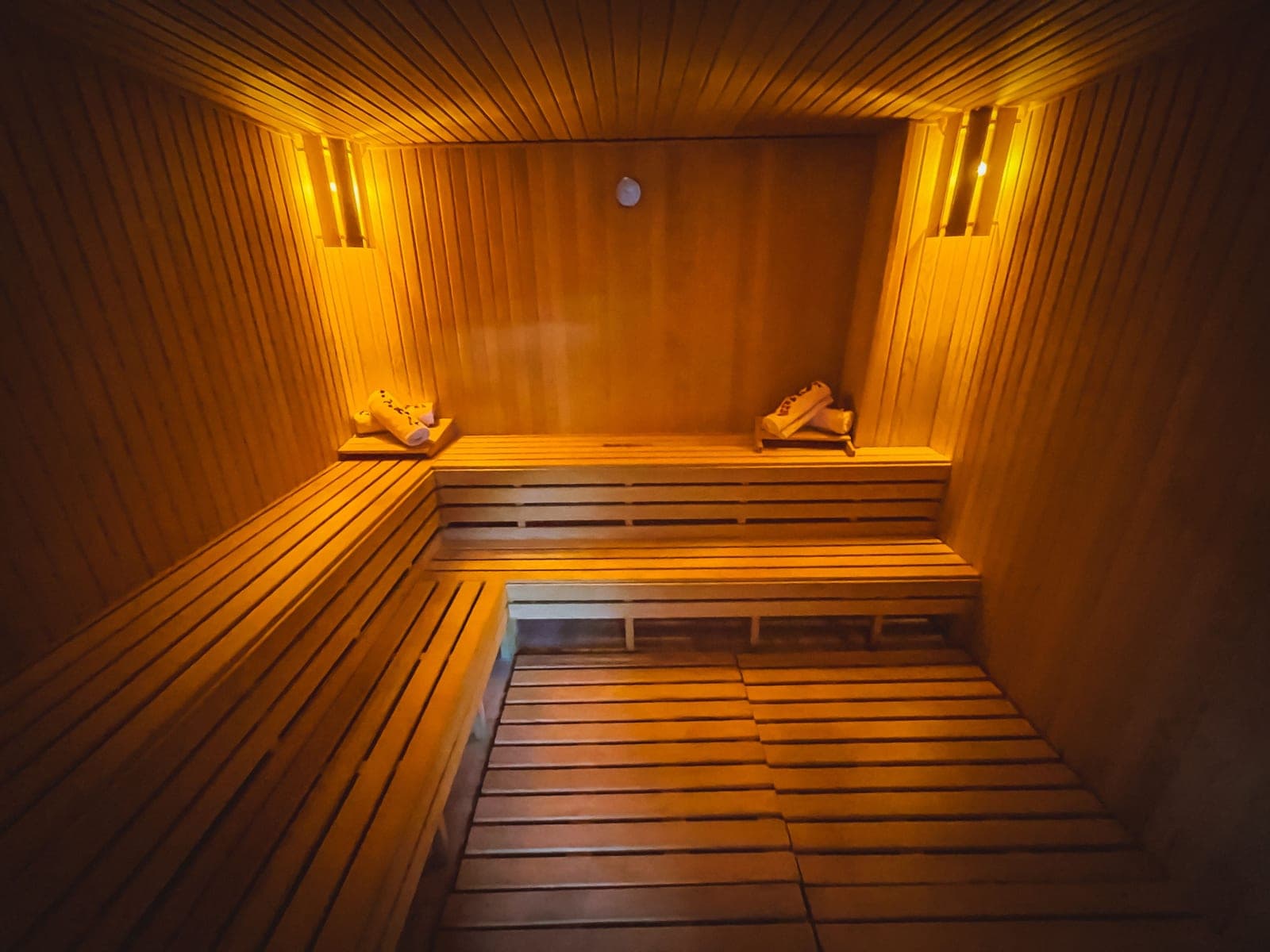
A traditional Finnish sauna runs hot — roughly 150-195F (about 65-90C) — and an infrared cabinfeels right much cooler, around 120-140F. The gap isn't a flaw in either; they heat you by completely different mechanisms, so the same comfortable sweat happens at different air temperatures. Beginners should start at the low end of whichever they own.
Typical temperatures by sauna type
| Sauna type | Typical temperature | Why |
|---|---|---|
| Traditional Finnish (electric or wood) | 150-195F (65-90C) | Heats the air; you sit in genuinely hot air, dry with loyly steam bursts |
| Infrared cabin | 120-140F (49-60C) | Heats your body directly, so the air can stay much cooler and still make you sweat |
| Steam room (for contrast) | 110-120F (43-49C) | Near-100% humidity makes a low temperature feel intense |
| Beginner setting (any type) | Start at the low end, shorter sessions | Ease in and let your tolerance build over a few weeks |
Why infrared saunas run so much cooler
In a traditional sauna, a heater warms the air (and the stones), and the hot air warms you. To drive a good sweat that way, the air itself has to be very hot — 170F and up is normal. An infrared cabin skips the middleman: its panels emit infrared that warms your body directly, the way the sun feels warm on your skin on a cold day. Because your body is being heated directly rather than by the surrounding air, you sweat comfortably while the air stays at a gentler 120-140F. Same sweat, cooler room — which is also why infrared feels more breathable and is easier for people who find a full-hot Finnish sauna overwhelming. The mechanism is laid out in more detail in the infrared vs traditional guide.
The role of humidity
Air temperature is only half the story of how hot a sauna feels. In a traditional sauna, ladling water over the hot stones — loyly — sends the humidity up in a brief burst, and that surge of steam makes the same 180F feel dramatically more intense for a moment. Raise the humidity and you raise the perceived heat, because moist air slows the evaporation of your sweat. That's why two saunas at identical temperatures can feel worlds apart depending on whether anyone's throwing water — and it's the whole reason a steam room feels brutal at a temperature a dry sauna would consider lukewarm.
Beginner vs experienced
If you're new, start cool and short: the low end of your sauna's range and 5-10 minutes, sitting on a lower bench where it's cooler. Your heat tolerance genuinely builds over a few weeks, and there's no prize for jumping straight to 195F. Experienced users settle into the hotter end and longer sits, and many like to alternate hot sessions with a cool-down. Hotter is not automatically better — it's just more intense, and the sweet spot is the temperature you can relax in and return to often, since consistency is what matters for the benefits.
What's a safe sauna temperature?
The temperatures above are the normal, widely used ranges, and healthy adults tolerate them well for typical session lengths. Safety is less about a magic number and more about how you use it: stay hydrated, don't use a sauna after drinking alcohol, limit your session and step out if you feel dizzy, lightheaded, nauseated or unwell. Heat raises your heart rate and can lower your blood pressure, so people with cardiovascular conditions, pregnant women, children and older adults should get medical advice first and lean cooler and shorter. A good thermometer and timer help you actually know where you are rather than guessing.
How long does a sauna take to heat up?
It depends on the type. An infrared cabin is quick — the panels start warming you within a few minutes, and many people simply get in and let it come up to temperature over the first 10-15 minutes. A traditional electric sauna needs a proper preheat, usually around 30-40 minutes to bring the air and stones up to 170-190F, and a wood-burningstove is in the same ballpark once the fire's established. That warm-up difference isn't just about waiting — it's a real chunk of the energy bill, which is exactly why infrared is cheaper to run. We show that math in full on the running-cost guide.
Questions
Frequently asked
What temperature should a sauna be?
Why are infrared saunas cooler?
Is a hotter sauna better?
What's a safe sauna temperature?
How long does a sauna take to heat up?
Keep reading
Related
More in Sauna Guides
Receipts
Sources
- Laukkanen J.A., Laukkanen T. & Kunutsor S.K., Mayo Clinic Proceedings 2018 — cardiovascular and other health benefits of sauna bathing (evidence review)
- U.S. Energy Information Administration — average residential electricity price
We do not run a testing lab, and we do not pretend to. Product specs are transcribed from the manufacturer's own listing and cited as claims; health figures come from peer-reviewed studies, named and linked. Where we could not verify something, we say so on the page rather than quietly leaving it out. Read our full method.