HUB / GUIDES · Sauna Guides
Sauna & Cold Plunge Contrast Therapy
Alternating a hot sauna with a cold plunge is a popular ritual. Here's a sensible protocol, the safety rules that matter, and an honest read on what the evidence does and doesn't support.
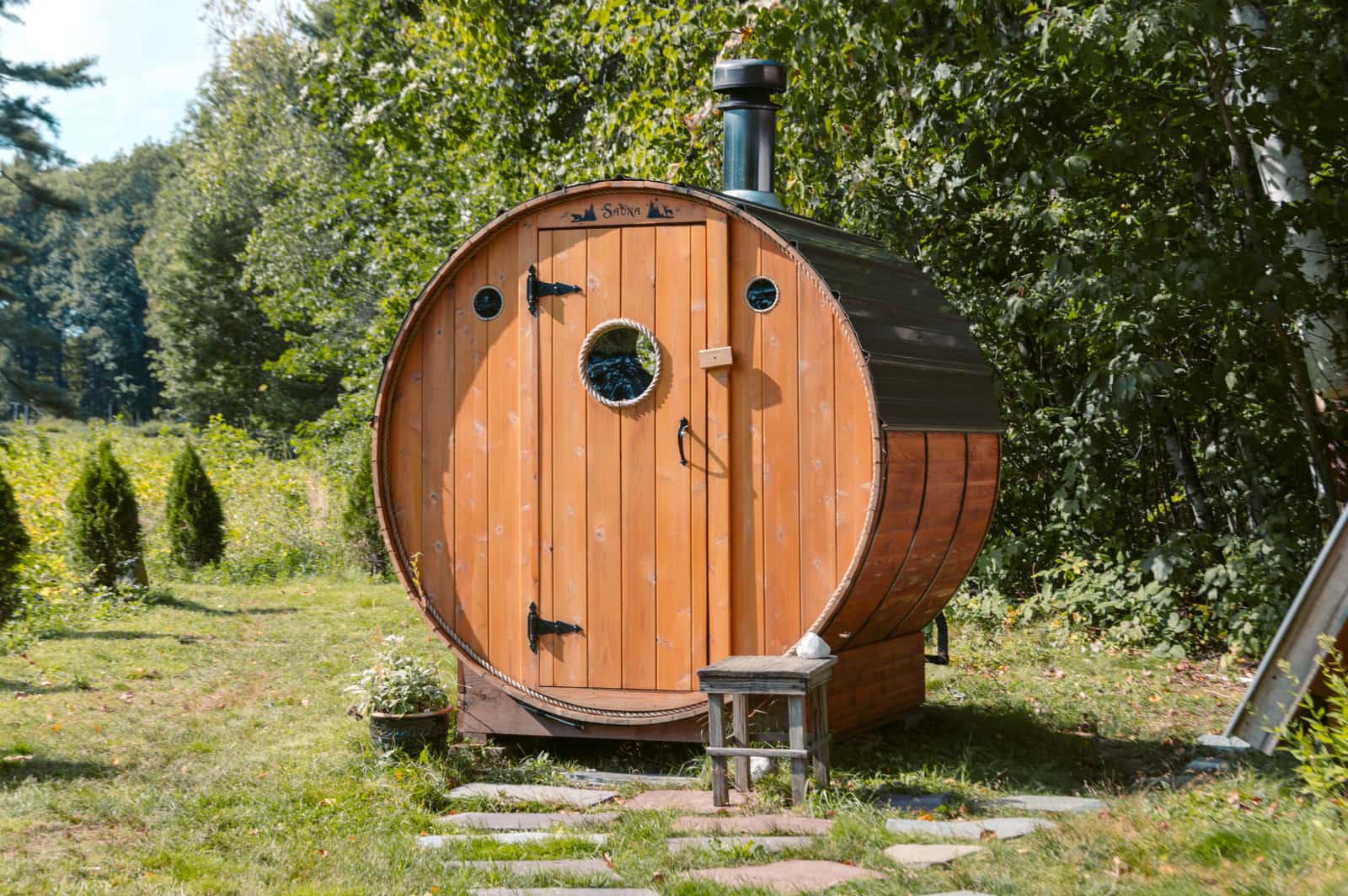
Contrast therapy means alternating deep heat and cold — most often a hot sauna round followed by a short cold plunge, repeated a few times. It's a bracing, invigorating ritual that a lot of sauna owners love. Just be clear on what it is: a practice that complements your sauna, with genuinely strong evidence behind the sauna half and much thinner, newer evidence behind the cold and the contrast itself. For the number everybody argues about, see cold plunge temperature; for building the cold half on a budget, see DIY cold plunge. For what the cold half is actually supported to do, claim by claim, see cold plunge benefits, and if you are still deciding where the money goes first, sauna vs cold plunge.
What contrast therapy is
The idea is simple: warm the body thoroughly in a sauna so your blood vessels dilate and you're sweating, then expose yourself to cold — a plunge tub, a cold shower, or a natural body of cold water — which makes those vessels constrict. Alternating the two is the whole practice. People describe it as intensely refreshing, mood-lifting and a good way to feel alert and reset, and it has a long history in Nordic sauna culture, where a cold lake or a roll in the snow often follows the heat. The emphasis here stays on the sauna as the anchor: the cold plunge is the complement to it, not a replacement for it.
An honest look at the evidence
This is the part to get right. The sauna side of contrast therapy rests on solid ground: a 20-year study of Finnish men in JAMA Internal Medicine linked frequent sauna use with about 40% lower all-cause mortality versus once-weekly use, and a Mayo Clinic Proceedings review found consistent associations with lower cardiovascular and all-cause mortality risk. Those are observational associations, not proof of cause and effect, but they are strong and specific to sauna bathing.
The benefits claimed for cold plunging specifically, and for hot-cold contrastas a combined practice, are a different story. This is a newer, much less settled area. You'll see enthusiastic claims about recovery, metabolism, mood and immunity, but the formal evidence is limited, the studies are often small and short, and the picture is far from established. So treat cold plunging and contrast therapy as a popular practice with limited formal evidence— something many people find genuinely enjoyable and energizing — rather than a set of proven medical outcomes. We're not going to attach a statistic to the cold side, because there isn't a reliable one to cite. Do it because you like how it feels and because the sauna half is well-supported, not because a headline promised a specific result.
Why people do it, and what it feels like
Set the evidence aside for a moment, because the honest reason most people keep doing contrast therapy is how it feels. The cold hits like a switch — your breath catches, your skin tightens, and the fog clears — and stepping back into the heat afterward is deeply pleasant by contrast. Many describe a clean, alert, almost euphoric calm in the minutes after a session, the kind that makes a cold morning feel manageable. That subjective "reset" is a perfectly good reason to do it, as long as you hold it in the right frame: you're doing it because you enjoy the ritual and because the sauna half is well-supported, not because a specific health outcome has been proven. Keeping that expectation honest is what keeps the practice sensible rather than a chase after claims that outrun the science.
A sensible protocol
There's no official formula, but a widely used, moderate approach looks like this:
- Start hot.Do a full, comfortable sauna round — roughly 10-15 minutes in a traditional sauna, or longer in a cooler infrared cabin — until you're thoroughly warm and sweating.
- Then cold. Move to the cold plunge or cold shower for a short exposure, commonly 1-3 minutes. If you're new, start with far less — even 15-30 seconds — and build up. Keep breathing slowly and calmly; don't gasp and hold your breath.
- Repeat. Alternate back to the sauna and cool again for 2-4 cycles total, as long as each swing still feels good.
- Ending hot vs cold.Some people finish on cold to feel alert and invigorated; others finish warm so they end relaxed and don't stay chilled. Both are fine — pick by how you want to feel afterward, and warm up gently if you end cold.
Ease into all of it. Shorter and gentler is the right way to start, and there's no benefit to making the cold longer or colder than you can handle calmly.
Safety — read this before your first plunge
The hot-to-cold swing is the whole point, but it's also where the risk sits, because it asks a lot of your cardiovascular system in a short window. Keep these rules:
- Get medical clearance if you have a heart or blood-pressure condition. The sudden vessel constriction of a cold plunge raises blood pressure and stresses the heart. This is not the practice to improvise with a cardiovascular condition.
- Don't shock the system. Enter the cold gradually rather than diving in, and skip it entirely if the swing feels overwhelming. The goal is a controlled contrast, not a jolt.
- Never plunge alone. Cold-water immersion can cause an involuntary gasp and, rarely, a dangerous cardiovascular response. Have someone nearby.
- No alcohol. As with the sauna itself, alcohol and these temperature swings are a dangerous mix — leave it out completely.
- Ease in and keep sessions moderate. Short cold exposures, a handful of cycles, and stop the moment you feel dizzy, numb in a bad way, or unwell.
Setting it up at home
A home contrast setup is really just two things next to each other: a sauna and a source of cold. For the heat, an outdoor barrel sauna pairs naturally with a cold plunge tub on the same patio, and an infrared cabin works just as well indoors if the cold is a cold shower a few steps away. For the cold, your options run from simplest to most involved: a plain cold shower, a stock-tank or purpose-built cold plunge tubfilled with cold water (and ice if you want it colder), or a dedicated chiller-equipped plunge for consistent temperature. You don't need the fancy version to start — a hot sauna and a cold shower is a complete contrast setup on day one.
How cold, and how often
You don't need ice-bath temperatures to get the contrast effect. Cold tap water — often somewhere in the 50s or low 60s Fahrenheit straight from the line — is plenty cold to feel bracing and to trigger the vessel constriction that makes the swing work. Colder is more intense, not more virtuous; adding ice or a chiller is about preference, not necessity, and it raises the stakes on the safety rules rather than the payoff. Frequency is the same story: this is something to do when it feels good, a few times a week at most, layered on top of your normal sauna habit rather than a daily obligation. The sauna is the anchor you use regularly; the cold plunge is the optional flourish you add when you're in the mood for it. If you only ever did comfortable sauna sessions and skipped the cold entirely, you'd still be getting the better-supported half of the equation.
Who should skip it, or check first
Contrast therapy is not for everyone. Give it a miss, or clear it with a doctor first, if you have heart disease, high or low blood pressure, a history of fainting, are pregnant, or take medication that affects your heart rate or blood pressure. Older adults and anyone new to both heat and cold should be especially conservative — start with the sauna alone, get comfortable with that, and add only brief, gentle cold once you know how your body responds. The upside of the practice is real enjoyment and the well-supported benefits of the sauna half; it is not worth pushing into territory that feels unsafe.
For the practical side of running this at home — which sauna to pair with which tub, how far apart to site the two halves and what the electrical job really amounts to — see sauna and cold plunge combo for home.
Questions
Frequently asked
What is sauna and cold plunge contrast therapy?
Is cold plunging after a sauna actually proven to work?
How long should you stay in a cold plunge after a sauna?
Is contrast therapy safe?
Should you end contrast therapy on hot or cold?
Keep reading
Related
- Sauna benefitsThe well-supported evidence behind the sauna half of the ritual.
- How to use a saunaThe base routine the cold plunge attaches to.
- Sauna safetyWho should be cautious with heat, and by extension with contrast.
- Best cold plunge tubs to pair with a saunaThe cold half as a purchase: tubs, chillers and the ice-versus-chiller math.
- Best cold plunge chillersHow to keep the cold half at temperature without the ice runs.
More in Sauna Guides
Receipts
Sources
- Laukkanen T. et al., JAMA Internal Medicine 2015 — association between sauna bathing and fatal cardiovascular and all-cause mortality events
- Laukkanen J.A., Laukkanen T. & Kunutsor S.K., Mayo Clinic Proceedings 2018 — cardiovascular and other health benefits of sauna bathing (evidence review)
We do not run a testing lab, and we do not pretend to. Product specs are transcribed from the manufacturer's own listing and cited as claims; health figures come from peer-reviewed studies, named and linked. Where we could not verify something, we say so on the page rather than quietly leaving it out. Read our full method.