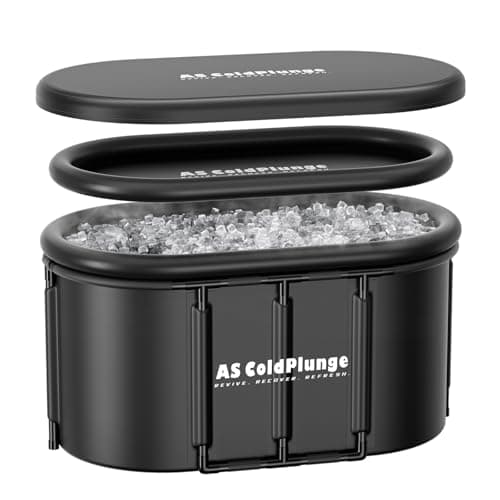
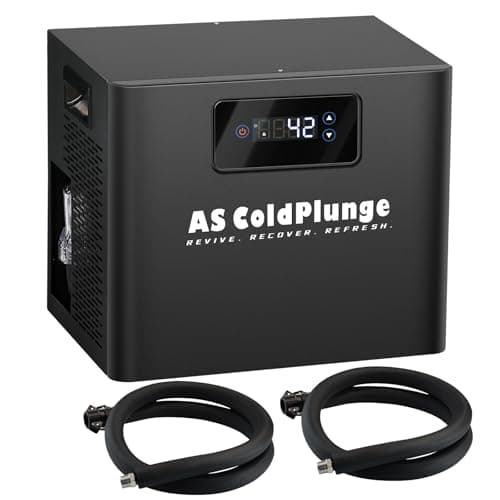
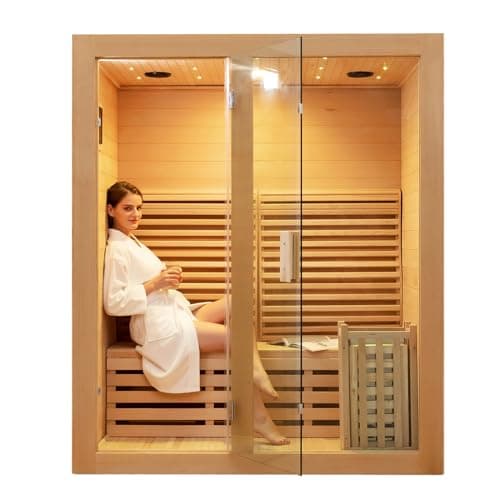
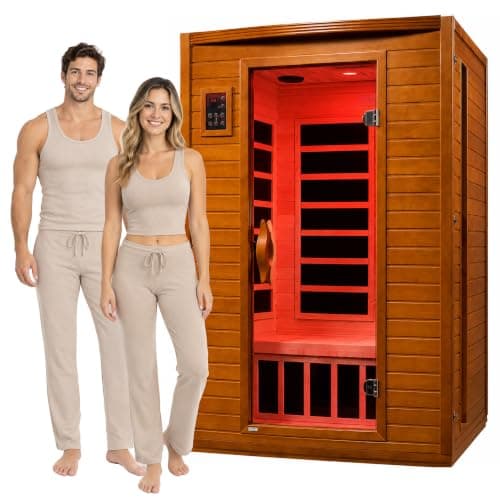
Buy the two halves separately. For most homes that means a Dynamic Andora infrared cabin on a standard 120V outlet for the heat and an AS ColdPlunge 148-gallon insulated oval beside it for the cold — a complete contrast setup with one outlet, one afternoon of assembly and no plumbing. Add a chiller later if the ice runs get old; step up to a ZONEMEL hemlock cabin with a real Harvia stove instead of the infrared if you want genuine loyly and can add a 240V circuit. What you should not do is wait for a good all-in-one combo product — the ones sold that way are a compromise on both halves.
Why no one box does this well
Hot and cold are opposite engineering problems. A sauna is an insulated wooden room with heaters and ventilation; a plunge is an insulated water vessel with a compressor and filtration. Nothing is shared except the slab they sit on. Combination products exist and they generally shrink one half to fit the other — a seat-width tub bolted to a one-person cabin, at the price of two good separate items.
Buying separately also lets you stage the spend, which is how most of our readers actually do it: the sauna first, because it gets used year-round; the tub second, on ice; the chiller third, once the habit is proven. Each stage is useful on its own and nothing gets thrown away.
The alternation itself is the oldest part of the practice — the Finnish convention of a hot room followed by cold water long predates the recovery industry built on it. For what the evidence does and does not support, we go through the 2025 cold-water-immersion review honestly in contrast therapy and cold plunge benefits, and the hot-versus-cold decision itself in sauna vs cold plunge.
What the four picks are for
Published specs below, not measurements of ours — see our methodology. The point of the table is which half of the setup each item is, and what it commits you to.
| Pick | Half | Power | Commits you to | Who it is for |
|---|
| Dynamic Andora | Hot | 120V household outlet | About a 4ft x 4ft indoor footprint | Most people: no electrician, two seats, daily use |
| AS ColdPlunge 148 Gal Oval | Cold | None (ice) until you add a chiller | A drain plan for 148 gallons | The roomiest insulated tub to put beside a sauna |
| AS 1/3 HP Chiller | Cold, stage two | Outdoor-rated outlet | A level, debris-free spot for a compressor | Anyone past three plunges a week |
| ZONEMEL 2-Person Hemlock | Hot, upgraded | 240V circuit | An electrician and real ventilation | Anyone who wants steam from stones, not infrared |
The 148-gallon oval is on this page rather than a cheaper round tub for one reason: shape. An oval lets you sit with your legs out instead of folded, which is the difference between two minutes and twenty seconds. Its insulated lid is also what decides your ice bill — covered between rounds, the water holds its cold through an entire sauna session.
Siting the two halves
- Keep them close, but not touching. Ten to fifteen feet is the sweet spot: close enough that you are not cooling off on a long walk, far enough that the plunge is clear of the sauna door swing and the cabin is clear of splash. Indoors, that usually means the plunge goes just outside the room the cabin is in.
- Solve the water before the wood. 148 gallons has to arrive and leave. A hose bib within reach and a drain path that does not run under the sauna or across a wooden deck is the first thing to settle. Our cold plunge pool guide covers the pool-scale version of the same problem.
- Two circuits, not one. The infrared cabin is a 120V plug-in appliance and the chiller needs its own protected outdoor-rated outlet. Do not share. If you go traditional instead, the stove is a dedicated 240V circuit on top of that — see sauna electrical requirements, and NFPA 70 for the code your electrician is working to.
- Non-slip, everywhere between them. The walk from a 140F cabin to cold water, barefoot, wet, is the actual hazard in a home contrast setup. Textured matting on the path is the cheapest safety spend you will make — see sauna floor mats.
- Plan for winter. A chiller and a fabric tub both need winterizing in a freezing climate, while the sauna gets better in the cold. If the plunge will be seasonal, say so now and buy a tub that packs down.
Infrared or traditional for the hot half
Infrared is the practical default for a combo, and the reason is the circuit. A 120V cabin plugs into the wall you already have, so your entire electrical project becomes the chiller outlet. It warms you at 120-150F rather than heating a room to 190F, which also means a shorter warm-up and a lower running cost — the electricity-cost page does that arithmetic, using the residential rates the EIA publishes.
Traditional is the better contrast experience if you can wire it. Hot air at 170-190F with steam thrown onto stones gives you a sharper differential against the cold water, and the ZONEMEL hemlock cabin is the cheapest honest way to get a real Harvia stove. The costs are a 240V circuit, an electrician and proper ventilation. The full comparison is in infrared vs traditional sauna.
How to run a session
There is no magic protocol, and we are not going to invent one. In practice: a sauna round until you are properly hot rather than merely warm, then cold water for as long as you can breathe calmly in it — which for most people new to it is well under two minutes — then a few minutes at room temperature before you decide whether to go again. The immersion literature is clear that water temperature changes the physiological response substantially, so the set point matters more than the stopwatch; cold plunge temperature and how long to stay in a sauna have the numbers.
Two rules that are not negotiable. Alcohol does not belong in either half — read sauna and alcohol. And heat and cold both stress the cardiovascular system, so if you have a heart condition, are pregnant, or take medication that affects blood pressure, this is a conversation with a clinician first: sauna safety is the honest list. Keeping the water clean matters too once it is chilled and reused — the CDC healthy-swimming guidance is the right starting point for a shared tub.