One hard rule before anything else. Never use a sauna while you are still intoxicated, and never drink in one. The
standard review of sauna benefits and risks identifies alcohol as the factor that turns sauna bathing from low-risk into dangerous, and Finnish sauna deaths are heavily associated with it. This page is about the morning after, not the night itself. See
sauna and alcohol for the detail.
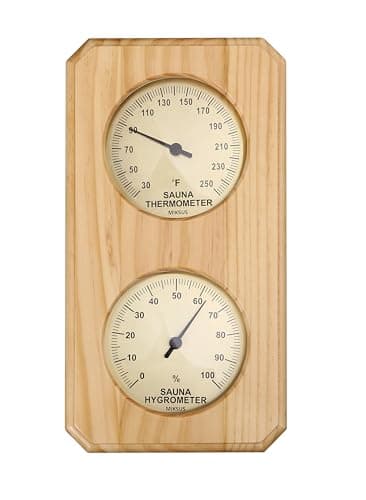
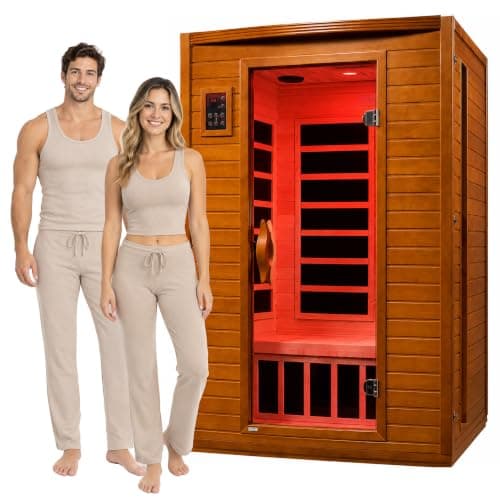
The honest answer: a sauna cannot clear alcohol from your system, and it cannot rehydrate you — it does the opposite. What a short, cooler-than-usual session the morning after can plausibly offer is symptom relief: warmth for a headachy, stiff, miserable body, and the mild lift most people get from a sweat and a cold rinse. If you do it, do it after you have rehydrated rather than instead of rehydrating, keep it short, and run the cabin cooler than you normally would — which is why a plug-in infrared cabin with a temperature you can dial down, and a thermometer that tells you the truth, are the two picks below.
What a hangover is, and what heat does to it
A hangover is several things at once: fluid and electrolyte loss, disrupted sleep, inflammatory signaling, and the aftermath of acetaldehyde metabolism. Only one of those is even slightly heat-adjacent, and it is not the one people hope for.
- You cannot sweat out alcohol in any meaningful amount. Alcohol is cleared by the liver at a rate you do not control, with small amounts leaving through breath and urine. Sweat is not a significant elimination route. A session does not shorten a hangover's chemistry.
- Heat makes dehydration worse, not better. You arrive already down on fluid, and a sauna takes more. Work on hydration in combat sports makes the mechanism plain — the body-mass-loss and biomarker work exists precisely because sweating off fluid is so reliable and so measurable.
- Your blood pressure response is already blunted. Alcohol dilates blood vessels, and so does heat. Standing up quickly out of a hot room when you are dehydrated is the mechanism behind sauna fainting, and a hangover loads the dice.
- What is left is real but modest. Warmth eases muscular stiffness, a sweat followed by a cold rinse is a genuine mood lift for most people, and twenty minutes of sitting still in a quiet hot room is not nothing when you feel awful.
So the framing that works: a sauna is a comfort measure the morning after, not a detox. If anyone tells you otherwise, our detox page takes that claim apart properly.
What to look for if this is a use case for you
- A temperature you can actually lower. The point of a hangover session is a gentler exposure. An infrared cabin runs at 120-150F with a controller you set, which is far more forgiving than a 190F rock-stove room.
- A real readout. "Cooler than usual" needs a number. A dual thermometer and hygrometer is a few dollars and removes the guesswork; how to choose a sauna thermometer covers what to buy.
- No stairs, no solitude. If you are at all unsteady, have someone in the house who knows you are in there. This is the ordinary advice from sauna safety, and it matters more than usual today.
- Water first, in a cup you can see. The CDC's plain hydration guidance is the whole protocol: drink before, drink after, and skip the session entirely if you cannot keep fluids down.
How to do it sensibly
If you are going to use a sauna the morning after, the sensible version looks like this. Rehydrate first and keep drinking through it. Run the cabin cooler than your normal setting. Go for ten to fifteen minutes rather than a full session, and stop at the first sign of dizziness, nausea or headache getting worse rather than better. Stand up slowly. Then cool down gradually instead of jumping into cold water — how to cool down after a sauna explains why the gradual version is the safer one, and a cold plunge on a hangover stacks two cardiovascular stressors for no documented benefit.
Skip it altogether if you are vomiting, cannot keep water down, have a pounding headache that is worsening, or are still feeling drunk. Those are not stoic-through-it symptoms; they are reasons the heat will make your morning worse.
Why infrared is the better format here
This is one of the few questions where we would steer most people away from a traditional sauna. The Finnish convention is 170-195F with steam, which is a large thermal load on a body that is already short of fluid and poorly regulated. An infrared cabin at a dialed-down 120-130F gives you the warmth and the sweat at a fraction of the cardiovascular cost, and it runs on a standard household outlet so there is no temptation to over-fire it. The infrared temperature guide has the ranges, and 2-person infrared saunas is the ranking the pick above comes from.
A sauna blanket is a reasonable substitute if that is what you own — lying down is arguably the right posture for a hangover anyway. What we would avoid is a steam tent at full tilt, because the combination of high humidity and poor thermoregulation makes it much harder to tell how hot you actually are.
The thing that actually works
Time, fluid and sleep. That is unglamorous and it is also the honest answer: there is no established intervention that shortens a hangover, and the sauna is not a loophole. Where heat genuinely earns its place is in the routine around drinking rather than the aftermath — if a weekly sauna habit is something you keep, the broader associations in sauna benefits and the sleep findings in sauna for sleep are more interesting than anything happening on a Sunday morning.
And if the reason you are reading this is that sauna and drinking tend to happen together in your life, read sauna and alcohol properly. It is the one page on this site where the evidence is unambiguous and the stakes are real.