HUB / GUIDES · Sauna Guides
Sauna for Sleep: What the Evidence Actually Says
There's a plausible mechanism and a relaxing ritual — but no proof a sauna fixes insomnia. Here's the honest version of why an evening session might help you wind down, and how to time it.
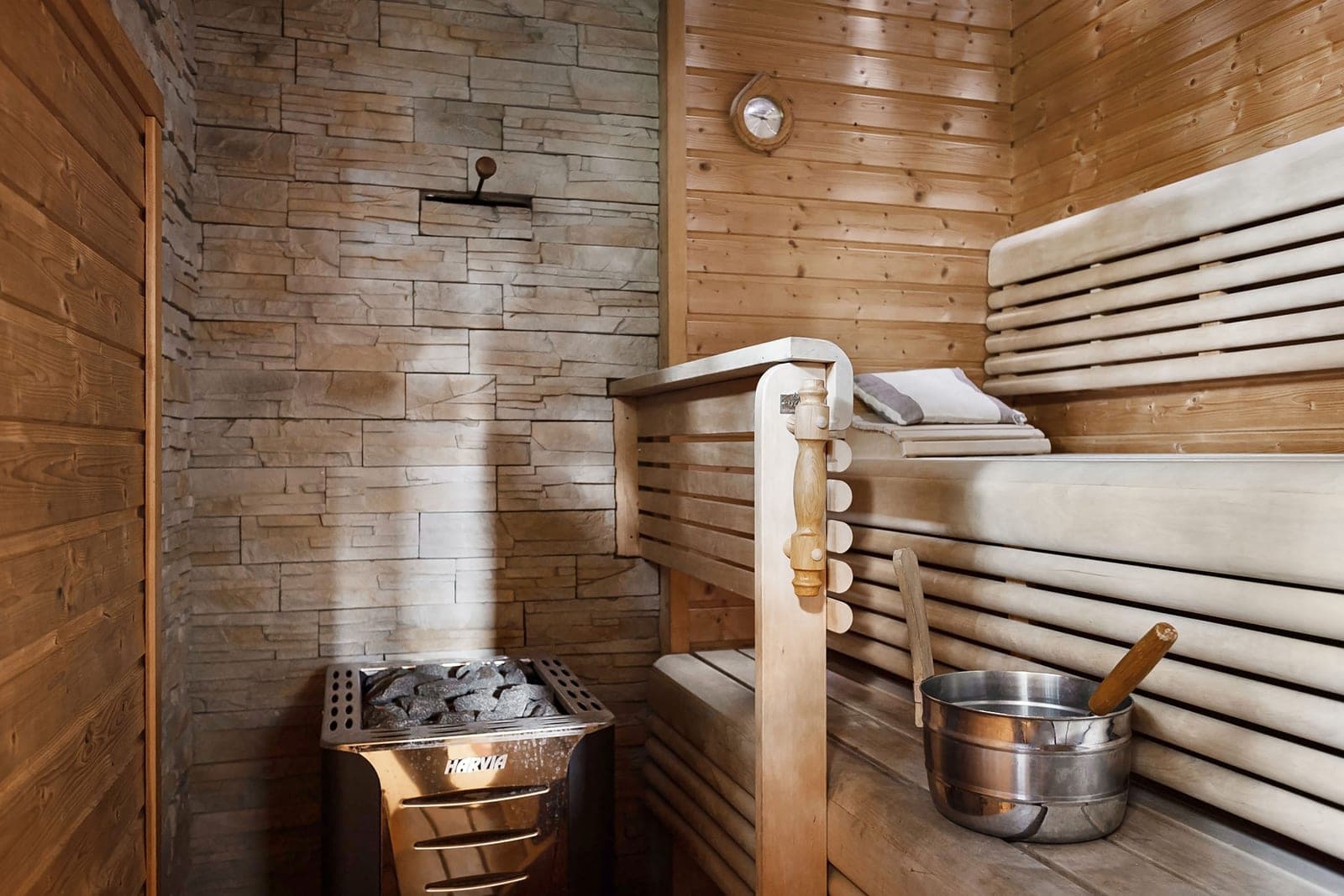
A sauna is not a cure for insomnia, and anyone who tells you otherwise is overselling it. What's fair to say is narrower and more honest: there is a plausible physiological reason an evening sauna might help some people wind down, and a warm, quiet ritual before bed can be relaxing in its own right. That's worth understanding — but it's a long way from proof. This guide lays out the wind-down and thermoregulation rationale as clearly and as honestly as the evidence allows, hedges it where it should be hedged, and gives you practical timing tips so an evening session helps rather than backfires. This is general information, not medical advice, and it is not a treatment for a sleep disorder.
The plausible rationale: your body's temperature dip
Here's the honest mechanism, stated as a rationale rather than a promise. Your core body temperature naturally falls in the evening as you head toward sleep, and that drop is one of the signals your body uses to feel drowsy. A warm sauna session raises your core temperature; when you get out and cool down, your body actively sheds that heat and your core temperature drops back down. The idea is that this warm-then-cool swing can echo or nudge the natural pre-sleep temperature dip, which mayhelp some people feel ready for sleep. It's the same reasoning behind the old advice that a warm bath before bed can be relaxing. It is a reasonable, physiology-based hypothesis — not a guarantee, and it won't work the same way for everyone. Treat it as "plausibly helpful for winding down," not as a mechanism proven to improve your sleep.
The other half: the ritual itself
Separate from any temperature effect, there's the simple fact that an evening sauna is a calming, screen-free, low-stimulation ritual — and a consistent, relaxing wind-down routine is one of the least controversial pieces of sleep hygiene there is. Twenty quiet minutes away from screens, work and notifications, doing nothing but sitting in warmth and breathing, is a genuine mental decompression. For many people, that ritual value is at least as important as any thermoregulatory mechanism. If a sauna becomes the reliable signal that the day is over, that association alone can help you settle — the same way a cup of caffeine-free tea or a few pages of a book can. Neither of these is a medical intervention; they're habits that help you downshift.
What the research actually shows — and doesn't
Be clear-eyed about the evidence here, because this is where honesty matters most. The large, well-known sauna studies — the 20-year Finnish cohort in JAMA Internal Medicine and the evidence review in Mayo Clinic Proceedings — are about regular sauna bathing and its associationwith cardiovascular and overall health outcomes. They are the reason there's a serious case for a regular heat habit at all, and we cite them for that general association. But they are notproof that a sauna improves your sleep, and we won't stretch them into that claim. There is no strong body of evidence establishing the sauna as a treatment for insomnia or a reliable sleep aid. The honest position is: a real health association exists for the habit in general; a specific, proven sleep benefit does not. Anyone citing those studies as "sauna fixes sleep" is misreading them. For what the research does and doesn't support more broadly, see our sauna benefits guide, which is just as careful about the line between association and proof.
Timing: evening, but not right before bed
If you want to try a sauna for wind-down, timing is the thing that makes or breaks it. Counter to what you might expect, sauna-ing in the hour immediately beforelying down can work against you: you'll still be warm and a little stimulated, and a hot body is a wakeful body. The better approach is to finish your session earlier in the evening — commonly 60 to 90 minutes before bed — so you have time to cool all the way down. That cool-down window is arguably the part that matters most for the temperature-dip rationale to have any chance of working. Give your body the time to shed the heat rather than climbing straight under the covers still flushed.
Cool down and rehydrate first
After your session, cool down properly — a lukewarm or cool shower, or just sitting in a cool room until your body settles and you stop sweating. This both makes you comfortable and lets that core temperature come down, which is the whole point of an evening session. Rehydrate too: a sauna makes you sweat, and going to bed dehydrated is its own recipe for a restless night and a groggy morning. Have water afterward. Skip alcohol — it's a poor mix with heat generally, and it degrades sleep quality even though it can make you feel drowsy. The cool-down and the water are not optional extras; they're what turns a hot session into a settled, ready-for-bed state.
Keep sessions moderate
An evening sauna is a case for moderation, not intensity. A long, extreme, dehydrating session late at night is more likely to leave you wired, thirsty and uncomfortable than calm. Keep it to a moderate length and temperature — a comfortable round rather than an endurance test — and treat it as a gentle wind-down, not a workout. Consistency matters more than intensity here, and a moderate habit is also the safer one: our how often should you use a saunaguide covers sensible frequency, and if you're fitting a sauna around exercise, our sauna before or after a workout guide covers that timing question too.
Who should be cautious
A few honest cautions. If you have a heart condition, low blood pressure, or any medical condition, or you're pregnant, talk to your doctor before making a sauna a regular habit — evening or otherwise. If you have a genuine sleep disorder like chronic insomnia or sleep apnea, a sauna is not a substitute for proper medical care, and you should see a professional rather than self-treating with heat. And listen to your own body: if an evening session leaves you feeling worse rather than calmer, it isn't the tool for you, and that's fine. None of this is medical advice — it's a starting point for a conversation with someone who knows your health.
The honest bottom line
A sauna won't fix insomnia, and this guide won't pretend it does. What it can plausibly offer is a relaxing evening ritual and a warm-then-cool temperature swing that may help some people wind down — hedged, individual, and unproven as a sleep treatment. If that appeals, finish your session 60 to 90 minutes before bed, cool down and rehydrate, keep it moderate, and skip the alcohol. Judge it by how you actually feel, not by a promise on a product page. The strongest case for a sauna remains the regular-habit health association in the research (Mayo Clinic Proceedings, JAMA) — better sleep, if it comes, is a possible bonus rather than the reason to buy one. General information, not medical advice.
Questions
Frequently asked
Does a sauna help you sleep?
When should I use a sauna if I want to wind down for bed?
Can a sauna cure insomnia?
What should I do after an evening sauna to sleep better?
Is it bad to sauna right before bed?
Keep reading
Related
More in Sauna Guides
Receipts
Sources
- Laukkanen J. et al., Mayo Clinic Proceedings 2018 — cardiovascular and other health benefits of sauna bathing
- Laukkanen T. et al., JAMA Internal Medicine 2015 — sauna use and cardiovascular mortality
We do not run a testing lab, and we do not pretend to. Product specs are transcribed from the manufacturer's own listing and cited as claims; health figures come from peer-reviewed studies, named and linked. Where we could not verify something, we say so on the page rather than quietly leaving it out. Read our full method.