HUB / GUIDES · Sauna Guides
Sauna and Dehydration
You sweat a lot in a sauna, so hydration is the number-one safety habit — and dehydration is behind most bad sessions. Here's how to drink around a sauna, the warning signs to get out, and who needs extra care.
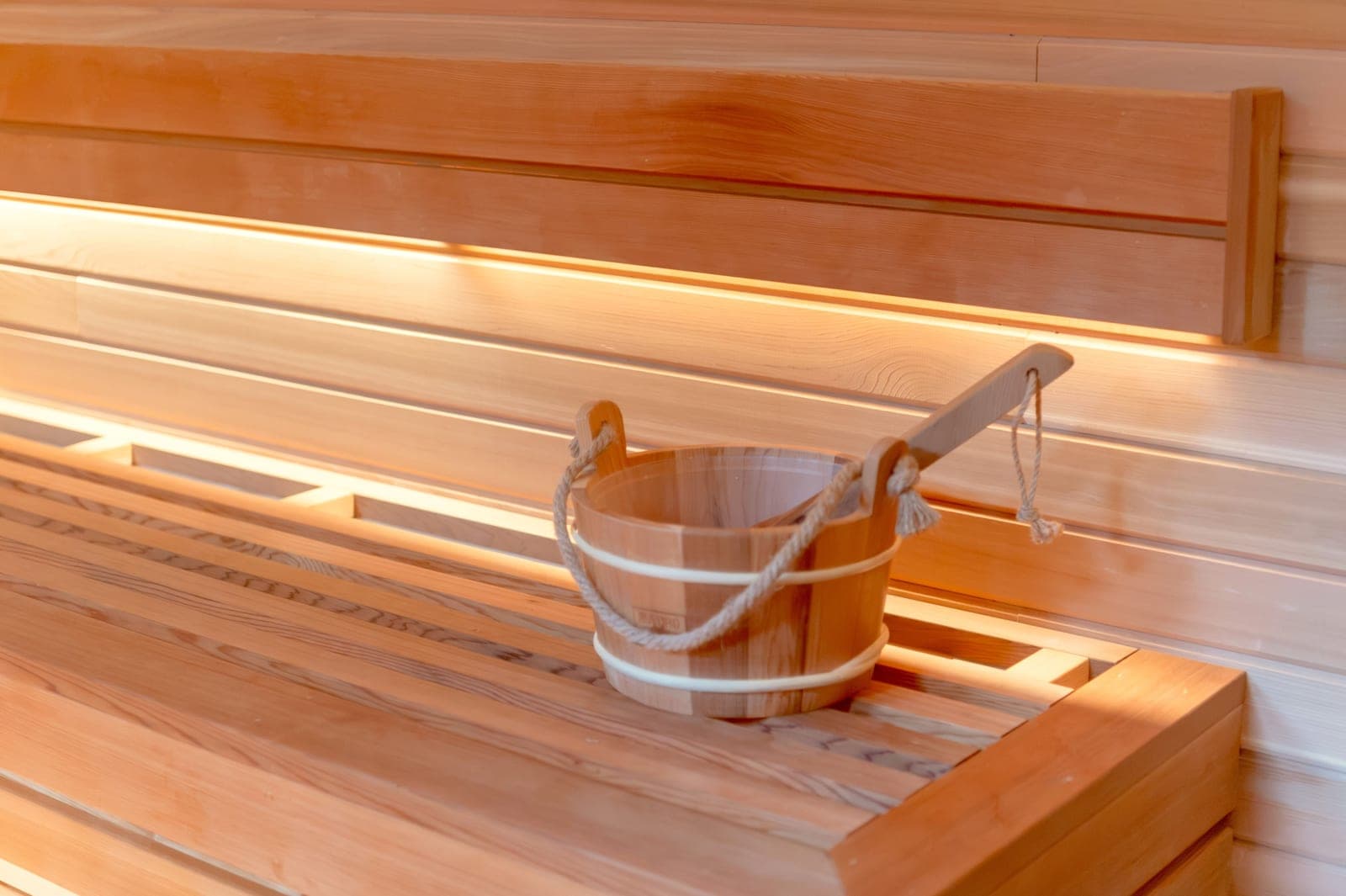
A sauna makes you sweat, and that fluid loss is exactly why hydration is the single most important safety habit around sauna use. Dehydration — not the heat itself — is behind most of the headaches, dizziness and "I felt awful afterward" stories. The fix is simple and boring: drink water before you go in, sip if you're in for a while, and rehydrate well afterward, and don't treat a sauna as a place to "sweat out" water you then fail to replace. This is general information, not medical advice. Here's how to stay safely hydrated, the warning signs to respect, and who should take extra care.
Why a sauna dehydrates you
The mechanism is obvious once you say it plainly: sweating is your body shedding water (and some salts) to cool itself, and a sauna makes you sweat a lot. Over a session you can lose a meaningful amount of fluid, and if you started already under-hydrated or don't replace it, you tip into dehydration — which is what actually makes people feel unwell. This is also why the tempting idea of using a sauna for quick "weight loss" is misleading: what you lose is water you need to drink back, a point we make honestly in sauna weight loss. Respect the fluid loss and a sauna is pleasant; ignore it and it isn't.
How to hydrate around a session
- Before:go in already well-hydrated. Drink water in the period beforehand so you're not starting from a deficit — this is the highest-leverage habit there is.
- During:for a longer session, take water in and sip it. There's no need to force large amounts, but don't sit there getting drier for the sake of it.
- After:rehydrate properly as you cool down. Keep drinking water afterward, not just a token sip — pair it with a gradual cool-down.
- Mostly water. Water covers it for normal sessions; general hydration guidance from sources like the CDC is a good baseline. After a lot of sweating some people also replace electrolytes, but plain water is the foundation.
Warning signs to get out and rehydrate
Your body signals dehydration and overheating clearly if you listen. Feeling dizzy or lightheaded, headachy, nauseous, unusually tired or weak, or noticing your mouth is very dry are all cues to get out, cool down and drink water — not to push through. These overlap with the general stop signals in sauna safety, and the rule is the same: there is never a reason to tough out heat. Getting up slowly matters too, since dehydration and heat can drop your blood pressure and make you lightheaded when you stand. When in doubt, out and water is always the safe direction.
Don't stack the odds against yourself
A few things make dehydration much more likely, and they're worth avoiding. Alcohol is the big one — it's dehydrating and it blunts your judgment about when to get out, which is why we're firm about it in sauna and alcohol. Going in already dehydrated (after exercise without rehydrating, on a hot day, or unwell), staying in too long, or skipping fluids afterward all compound the risk. Keeping sessions a sensible length is itself a hydration habit: the longer you sit, the more you sweat.
Who should take extra care
Because dehydration and heat stress the body, some people should be especially careful and talk to a doctor before regular sauna use: anyone with a heart condition, blood-pressure issues, kidney problems, or a condition or medication that affects fluid balance or heat tolerance, as well as older adults and anyone who is unwell. Pregnancy is its own careful conversation, covered in sauna and pregnancy. If any of that is you, get personalized advice rather than general rules. This is general information, not medical advice.
The bottom line
Hydration is the number-one safety habit around a sauna, because the fluid you sweat out is exactly what makes people feel unwell if they don't replace it. Drink water before, sip during a longer session, and rehydrate well afterward; avoid alcohol; keep sessions sensible; and get out the moment you feel dizzy, headachy or off. Do that and dehydration simply isn't an issue. This is general information, not medical advice.
The worst-case version of this is a session taken while already short of fluid — see sauna for a hangover, where dehydration is the starting condition rather than the risk you are managing.
Questions
Frequently asked
Do saunas dehydrate you?
How much water should you drink around a sauna?
What are the signs of dehydration from a sauna?
Can a sauna be dangerous if you're dehydrated?
Keep reading
Related
More in Sauna Guides
Receipts
Sources
- CDC — water and healthier drinks (hydration basics)
- Mayo Clinic Proceedings (2018) — health effects of sauna bathing
We do not run a testing lab, and we do not pretend to. Product specs are transcribed from the manufacturer's own listing and cited as claims; health figures come from peer-reviewed studies, named and linked. Where we could not verify something, we say so on the page rather than quietly leaving it out. Read our full method.