HUB / BARREL · Barrel Saunas
How Long Does a Barrel Sauna Last?
With basic care, many years — but the wood, the weather and your upkeep decide whether that's a decade or much longer. Here's what wears out, what's replaceable, and how to stretch its life.
We earn a commission when you buy through our Amazon links, at no extra cost to you. It never affects our rankings, and we say so when the cheaper product is the better buy. How this works.
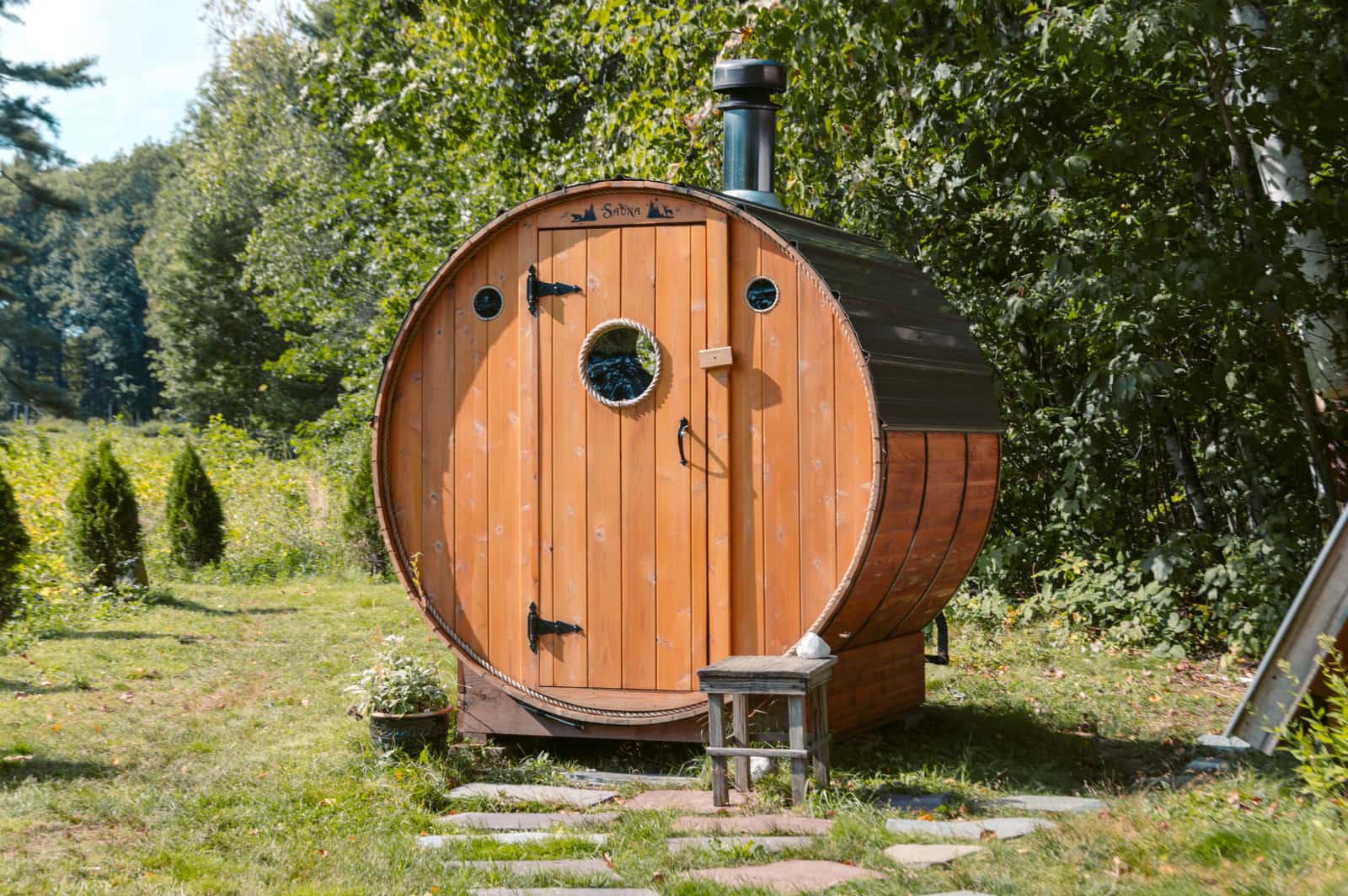
A well-cared-for barrel sauna lasts many years — often a decade or well beyond — but the number isn't fixed. The wood you chose, the weather it lives in, and how faithfully you maintain it decide whether you get a long life or an early rebuild. The good news: the parts that wear are mostly replaceable, and the staves you're really protecting respond well to a little care. "How long will it last?" is a fair question for a four-figure outdoor purchase. Here's the honest breakdown of what determines a barrel's lifespan and how to get the most years out of one.
The wood is the biggest variable
A barrel lives outdoors in rain, snow, sun and freeze-thaw, so the stave wood matters more than anything else for longevity. Red cedaris the premium choice precisely because it's naturally rot-resistant and dimensionally stable — it shrugs off moisture better than most woods and holds up longest outside, which is a big part of what you pay for in a US-cedar barrel. Hemlock, the value wood on most factory kits, is perfectly serviceable but has less natural defense against moisture, so it leans harder on you keeping it sealed and dry. Neither is "disposable" — a maintained hemlock barrel lasts years — but cedar gives you more margin for the same care. The trade is laid out in cedar vs hemlock.
What wears out first
Barrels don't usually fail all at once; specific parts age at different rates:
- The exterior finish. The outer surface weathers first — graying, drying and checking under UV and rain. This is cosmetic at first and preventable with periodic sealing or oiling, but ignored long enough it lets moisture into the wood.
- The bands.The steel bands that hold the staves under tension need occasional checking and tightening as the wood moves with the seasons. They're adjustable and, if needed, replaceable.
- The door and gaskets. The most-used moving part. Hinges, handles and any seal take the wear; all are serviceable.
- The heater and stones. An electric element and its sauna stones have their own service life, independent of the barrel — the stones crumble over time and get replaced, and a heater can be swapped without touching the staves. We cover heater lifespan in the sauna heater lifespan guide.
- The base contact points. Where the cradles meet the ground is where rot starts if the barrel sits on damp earth instead of a proper pad.
Notice the pattern: almost everything on that list is replaceable or preventable. The one thing you can't easily replace is the staves themselves — which is exactly why protecting the wood is the whole game.
What actually stretches its life
Lifespan is mostly a maintenance story, and the moves that matter aren't complicated:
- Keep it off wet ground. A firm, level pad that keeps the cradles out of standing water and mud prevents the most common early failure. The barrel sauna foundation guide covers the base.
- Seal or oil the exterior on schedule. Treating the outside as the maker recommends is what keeps UV and rain from drying and checking the staves.
- Add a roof. A shingle or metal roof kit sheds rain and snow off the top, the most exposed surface, and dramatically slows weathering.
- Let it dry out. Crack the door and vents after a session so the interior dries rather than staying damp — the single best habit for preventing interior rot and mildew.
- Check the bands and door seasonally. A quick look each season catches a loosening band or a sagging door before it stresses the wood.
The full routine is in barrel sauna maintenance, and the cold-season version — where freeze-thaw does the most damage — is in barrel sauna winter use.
Cheap kit vs quality build over time
Where a barrel lands on the price ladder shows up over years, not months. A budget hemlock kit can absolutely serve you well if you maintain it — but a cedar barrel like the Backyard Discovery Paxton starts with more rot-resistant wood, tighter tongue-and-groove construction, a galvanized steel roof and a 5-year warranty on every component. Dealer-sold cedar barrels from makers such as Almost Heaven sit higher again. That's the long-run case for spending up, and it's part of how we rank the field in the best barrel saunasroundup. The honest summary: a cheap barrel that's well maintained beats an expensive one that's neglected, but at equal care, quality wood and build simply last longer.
The honest bottom line
Expect many years — a decade or well beyond with good care — and understand that you're really protecting the staves, because nearly everything else (bands, door, heater, stones) is replaceable. Cedar buys you more margin; hemlock demands more diligence. Keep the barrel off wet ground, seal the exterior, add a roof, let it dry after use, and check the bands each season, and a barrel sauna is one of the longer-lasting things you can put in a backyard. Neglect the wood and the weather wins fast. It's not a fragile purchase — it's a maintainable one.
Questions
Frequently asked
How long does a barrel sauna last?
Do barrel saunas rot?
Does a cedar barrel sauna last longer than hemlock?
What maintenance makes a barrel sauna last longer?
Keep reading
Related
More in Barrel Saunas
Receipts
Sources
- Almost Heaven Saunas — barrel sauna specifications and materials (manufacturer)
- U.S. Energy Information Administration — average residential electricity price
We do not run a testing lab, and we do not pretend to. Product specs are transcribed from the manufacturer's own listing and cited as claims; health figures come from peer-reviewed studies, named and linked. Where we could not verify something, we say so on the page rather than quietly leaving it out. Read our full method.