HUB / BARREL · Barrel Saunas
Using a Barrel Sauna in Winter
Winter is peak sauna season — an outdoor barrel is never better than in the cold. Here's how to get it hot faster, keep it that way, and protect the wood and heater when the temperature drops.
We earn a commission when you buy through our Amazon links, at no extra cost to you. It never affects our rankings, and we say so when the cheaper product is the better buy. How this works.
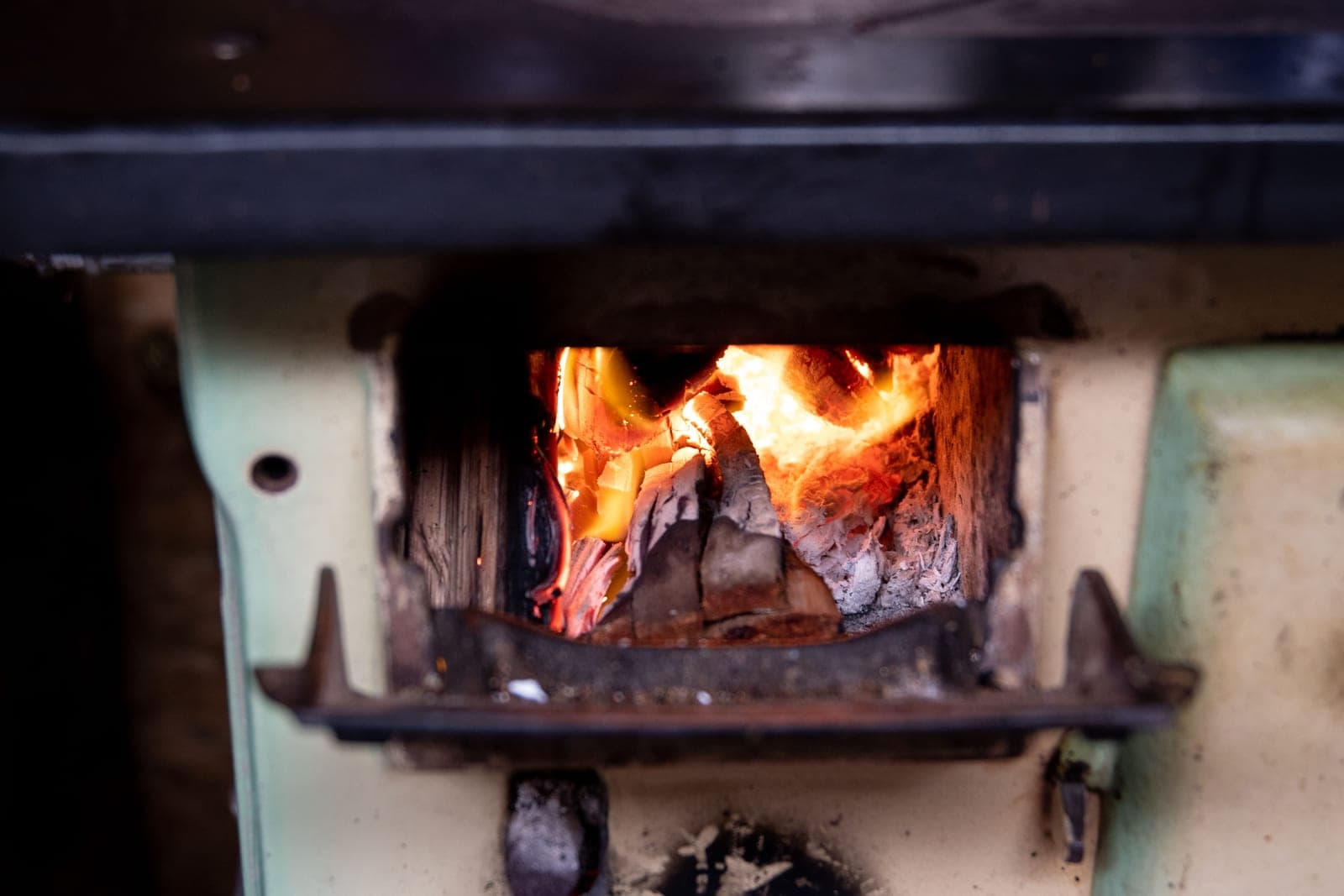
Winter is when an outdoor barrel sauna earns its keep — the contrast between deep cold and 170F+ heat is the whole point, and a barrel handles the cold better than you'd think. A barrel is built for the outdoors and its round shape sheds snow and warms efficiently, so cold-weather use is mostly about patience and a few sensible habits: allow a longer warm-up, keep the heat in, clear the ice, and look after the wood and heater. Here's how to run one all winter without trouble.
Expect a longer warm-up — and plan for it
The first reality of winter is time. A barrel that reaches temperature in 30–40 minutes in mild weather can take an hour or more when it's below freezing, because the heater is fighting the cold walls and the frigid outside air. That's normal, not a fault. The fix is simply to start it earlier — begin heating well before you want to bathe, and don't judge the heater by how it performs on the coldest night. A correctly-sized heater for your barrel's volume matters even more in winter; an undersized stove that's fine in summer will struggle in deep cold, which is one more reason to size it properly at purchase (see sauna heater size guide).
Keep the heat in
A barrel loses heat fastest through its ends and its door, so winter is about not throwing warmth away. Keep the door shut except when entering or leaving — every open-door minute in freezing air costs you real temperature. Barrels with well-fitted doors and thicker staves hold heat better; if yours has a drafty door, a simple weather seal helps. Some owners add insulation or a winter-cover kit to the barrel's exterior for hard climates, though a well-built barrel run with the door disciplined usually copes fine. Don't block the vents entirely, though — a barrel still needs a little airflow for a safe, breathable sauna.
Snow, ice and the approach
The path to the sauna is where winter actually bites. Keep the route from the house clear and gritted — you'll be walking it barefoot or in sandals, warm and a little unsteady, and a sheet of ice is the real hazard, not the sauna itself. Brush heavy snow off the barrel's roof so meltwater doesn't pool and refreeze around the door, and make sure the door isn't frozen shut before you fire it up. A small mat or duckboard at the entrance keeps snow and grit out of the cabin and gives you a non-icy step.
Protect the wood and the heater
Cedar and hemlock handle cold well — the wood itself isn't the worry; the freeze-thaw moisture cycle is. The habit that protects a barrel year-round matters most in winter: after each session, wipe up standing water and leave the vents cracked so the interior dries rather than freezing damp. For an electric barrel, the heater is happiest when it's dry and its connections are sound; give the stove and its wiring an occasional look and keep the rock basket clear of ice. For a wood-burning barrel, make sure the chimney draws properly in the cold and that clearances are still respected under any snow load. General wood care is the same all year — our barrel sauna maintenanceguide covers it; winter just makes the "let it dry out" step non-negotiable.
The cold-plunge payoff
Winter is also when the best part of a sauna becomes free: the cold. Stepping out into snow, or into a cold plunge, then back into the heat is the traditional Finnish contrast ritual, and the cold half costs you nothing in January (Finnish Sauna Society). Go gently — a brief cold exposure, not a shock — and always cool down in a controlled way rather than overdoing it. If you want to build the contrast into a routine, our sauna and cold plunge contrast therapy guide lays out a sensible approach. This is general information, not medical advice — if you have heart or blood-pressure concerns, check with a clinician before adding cold exposure.
The honest bottom line
A barrel sauna is genuinely at its best in winter, and running one through the cold isn't hard — it just rewards a little planning. Start heating earlier, keep the door shut, clear the ice on the approach, and let the barrel dry out after each session so freeze-thaw moisture can't do damage. Size the heater right at purchase and the cold stops being a problem and becomes the point. If you're still choosing a barrel, our best barrel saunas roundup ranks the field, and barrel vs cabin sauna weighs the round outdoor barrel against a square cabin for cold-climate use.
If you are still choosing the barrel rather than winterizing one you own, the spec sheet shifts: cedar over hemlock, a roof covering with a membrane under it, cradles that keep the staves out of meltwater, and heater headroom rather than a stove sized for a mild day. Our best outdoor saunas for cold climates ranks the field on exactly those criteria, including the wood-fired option that works in an outage.
Questions
Frequently asked
Can you use a barrel sauna in winter?
How long does a barrel sauna take to heat up in winter?
Do you need to insulate a barrel sauna for winter?
Will cold weather damage a barrel sauna?
Keep reading
Related
More in Barrel Saunas
Receipts
Sources
- Finnish Sauna Society (Suomen Saunaseura) — traditional sauna bathing and loyly
- Laukkanen T. et al., JAMA Internal Medicine 2015 — sauna use and cardiovascular mortality
We do not run a testing lab, and we do not pretend to. Product specs are transcribed from the manufacturer's own listing and cited as claims; health figures come from peer-reviewed studies, named and linked. Where we could not verify something, we say so on the page rather than quietly leaving it out. Read our full method.