HUB / BARREL · Barrel Saunas
Barrel Sauna Maintenance: Keeping an Outdoor Barrel Alive
A barrel lives in the weather, so caring for it is mostly about water — drying it out, keeping the bands tight, and protecting the wood through the seasons. Here's the honest, seasonal checklist.
We earn a commission when you buy through our Amazon links, at no extra cost to you. It never affects our rankings, and we say so when the cheaper product is the better buy. How this works.
A barrel sauna is built to live outdoors, but "built for it" is not "maintenance-free". Almost everything that shortens a barrel's life comes down to water — trapped moisture inside, weather beating the outside, and staves that swell and shrink with both. Get the drying, the bands and the seasonal protection right and a barrel lasts many years; ignore them and even good cedar suffers. Here's the practical routine, from the first fire to winter.
The first fire: seasoning before you really use it
Before the first proper session, run the barrel hot with the door and vents open for a short break-in heat — a "first fire" or seasoning run. This drives off manufacturing residues, lets any protective coating on the heater cure, and gently brings the fresh wood up to temperature for the first time. Follow the maker's specific instructions, keep the room ventilated, and don't load it with people on day one. It's a small step that sets the barrel up to expand and contract evenly from then on.
Cedar vs hemlock: how each weathers outdoors
Your wood decides how much protection you owe the barrel. Red cedar is naturally rot- and insect-resistant and dimensionally stable, so it shrugs off outdoor moisture better and grays gracefully if left untreated. Canadian hemlocklooks clean and performs well inside the hot room, but it has less natural defense against standing water and UV, so it leans harder on you keeping it dry and, ideally, protected. Both benefit from care; hemlock simply asks for more of it. Whichever you own, the enemy is the same — water that can't get out — and the routine below is how you beat it.
Dry the interior between uses — leave the door ajar
This is the single most important habit, and it costs nothing. After every session, prop the door ajar and open the vents so warm, damp air escapes and the benches and floor dry out. A sauna you seal up wet is a sauna that grows mildew and rots from the inside. Sweep or wipe up puddled water, stand the duckboards or loose bench slats so air reaches underneath, and let the residual heat from the session do the drying for you. If you throw a lot of water for loyly, dry it out even more deliberately. Wipe benches with plain water and a mild, sauna-safe cleaner when they need it — skip harsh chemicals and sealants on interior surfaces you sit on and that get hot. A small habit that helps: give it the last ten minutes of heat with the vents open and the door cracked, so the barrel effectively dries itself as it cools rather than sealing warm, wet air inside overnight.
Ventilation and preventing mold and mildew
Mold needs moisture and still air; ventilation removes both. Make sure the barrel's intake and exhaust vents are open and unobstructed during and after use, and never store the barrel closed up damp for weeks. If you spot early dark spotting on the wood, catch it early: light sanding and a thorough dry-out usually deal with it before it sets in. Keep towels, buckets and organic gunk from sitting wet in the corners. The through-line with everything indoors is airflow — a barrel that breathes and dries stays healthy; one that stays sealed and wet does not.
Check and re-tighten the steel bands
A barrel holds itself together with steel bands (hoops)tensioned around the staves — there's no glue doing the structural work. As the wood swells in humidity and shrinks as it dries, the staves move, and the bands can loosen over the first weeks and across the seasons. Check them periodically and after big humidity swings: a loose band means gaps between staves and a barrel that can rack out of true. Most barrels let you re-tension the bands by tightening the take-up hardware; do it gently and evenly around the barrel per the maker's guidance, snugging rather than cranking. Keeping the bands right is what keeps the door sealing and the tube round.
UV, rain and snow — and whether to cover it
Sun, rain and snow all age the exterior. UV grays and dries the wood, rain and snow load it with moisture, and freeze-thaw works at any trapped water. You have two honest options: let it weather naturally (cedar in particular grays handsomely and survives), or protect it. A breathable coveror a purpose-made roof kit sheds rain and snow while still letting the wood dry — the key word is breathable, because a sealed plastic tarp traps condensation and does more harm than good. Many owners treat the exterior with a suitable outdoor wood oil or UV-protective finish per the manufacturer's recommendation to slow the graying and shed water; only ever treat the outside, never the hot interior benches. Keep snow load off the roof in winter, and don't let the barrel sit in a puddle — a proper level pad that drains is half of weather protection.
Wood-burning barrels: stove and chimney care
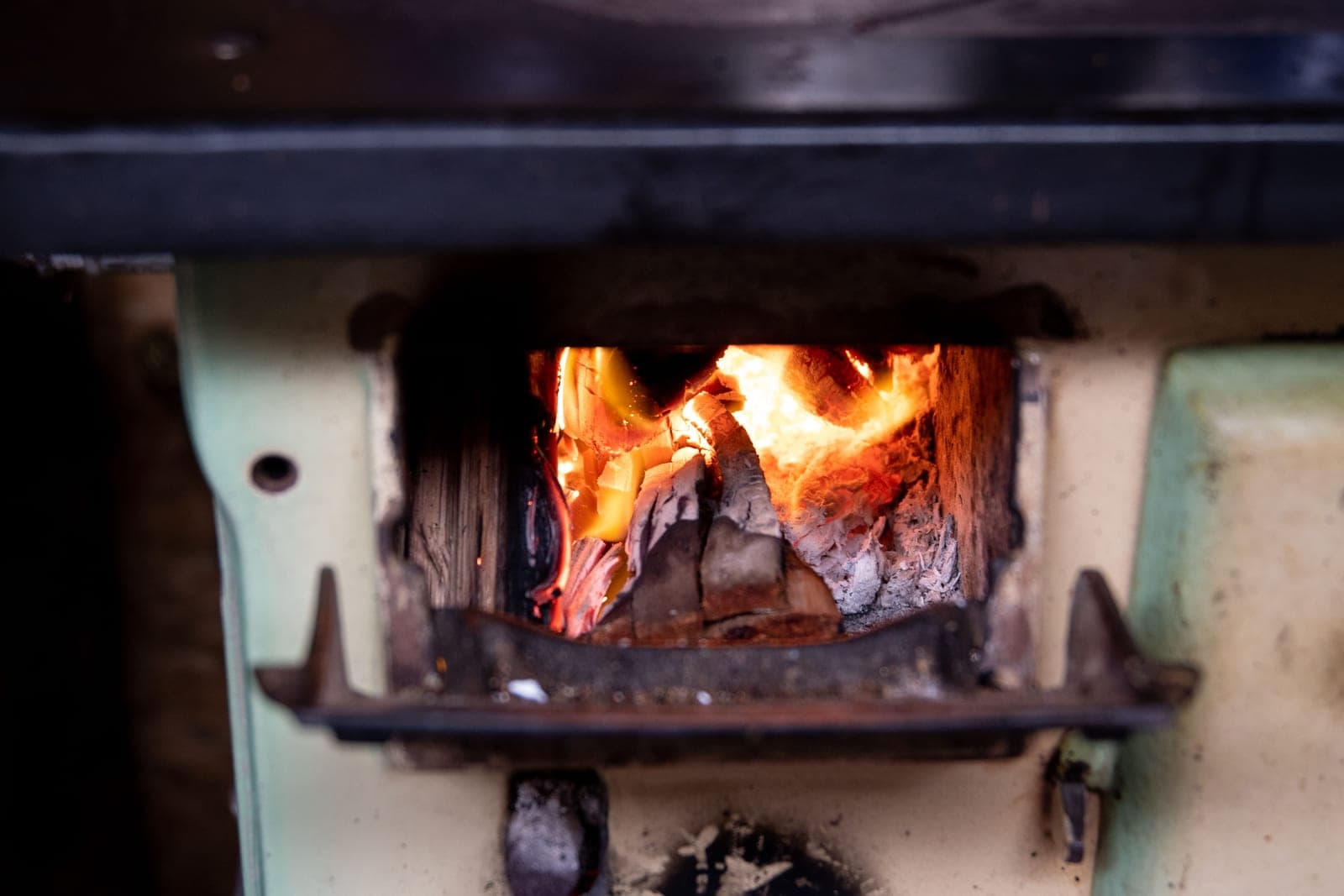
If yours is a wood-fired barrel like the AURGOD, the stove and chimney add their own routine. Clean out ash between fires so it doesn't choke the airflow or hold moisture against the firebox. The big one is creosote: burning wood deposits flammable creosote inside the chimney, and a build-up is a genuine chimney-fire risk, so the flue needs periodic sweeping— how often depends on how much you burn, but at least seasonally for regular use. Burn dry, seasoned wood rather than green or wet stock, which cuts creosote and gives cleaner heat. Check the chimney, spark arrestor and clearances stay sound, and confirm you're meeting local fire codes.
Electric barrels: heater and stone care
An electric barrel trades fire-tending for lighter upkeep. The main job is the stones: sauna stones break down over time from repeated heating and loyly, so every so often pull them out, rinse off the dust and debris, discard any that have cracked or crumbled, and re-stack them loosely so air and steam move through — tightly packed or dust-clogged stones hurt both heat and loyly. Give the heater a visual check for scale or debris. Beyond that, keep the benches and floor dry as above. And to say it again: if anything electrical misbehaves — a breaker that trips, a controller fault, a damaged element — that is a licensed electrician's job, not a weekend fix. It's also worth wiping the door gasket and hinges clean now and then and checking the door still seals and swings freely, since a barrel that has shifted slightly on its pad or moved with the seasons can start to bind — an early sign it's time to check the level and the bands rather than force the door.
Winter use and realistic lifespan
Barrels are made for winter — a hot sauna in the snow is the whole appeal — but cold adds a few habits. Expect a longer warm-up, keep the pad and door clear of ice, brush heavy snow off the roof, and be especially diligent about drying the interior afterward, since a barrel left damp in freezing weather invites freeze-thaw damage. Keep the path to the door clear so you aren't tracking snow and ice inside, and if you use it hard through the cold months, expect to check the bands a little more often as the wood dries out in the low winter humidity. Done consistently, this care pays off: a well-maintained barrel lasts many years, and the wood is the variable — cedar holds up longest outdoors, hemlock does well when you keep it dry and protected. The bands, heater and stones are replaceable wear items; the staves are what your routine is really protecting. A good bucket and ladle make loyly part of the ritual — see our best sauna buckets and ladles — and the modest per-session energy cost is worked out on the home sauna running-cost guide.
Questions
Frequently asked
How do I stop my barrel sauna getting moldy?
Do I need to tighten the bands on a barrel sauna?
Should I cover my outdoor barrel sauna?
How often should a wood-burning sauna chimney be swept?
How long does a barrel sauna last?
Keep reading
Related
More in Barrel Saunas
Receipts
Sources
We do not run a testing lab, and we do not pretend to. Product specs are transcribed from the manufacturer's own listing and cited as claims; health figures come from peer-reviewed studies, named and linked. Where we could not verify something, we say so on the page rather than quietly leaving it out. Read our full method.