If you buy one thing under $50 for a cold plunge, make it a weekly water treatment — the AquaDoc 3-in-1 is the default, from the brand with the deepest spa-chemistry line and the matching test strips. It is the difference between water you can get into on day ten and water you cannot. If you buy two, make the second a cover that fits your tub's actual shape: a stock tank, a round portable and a small square tub all need different covers, and all three are here under the ceiling. The budget pick is the NEAMVCT cover at the bottom of the price range — a PU-coated Oxford lid for a small tub that shipped without one. Prices below are live, with their as-of date.
Why the cheap parts matter more than they should
People spend four figures on a tub and a chiller, then quit in six weeks. The reason is almost never the cold. It is that the water went cloudy, or the tub warmed up overnight because it sat open, or there was no way to tell whether the thing they poured in was working.
All three of those are fifty-dollar problems. That is why this page exists as a cheap-end list rather than a general accessories roundup: under $50 is where the entire difference between a used plunge and an abandoned one actually lives.
How we ranked them
By the size of the behavioural difference each one makes, not by how clever the product is. Judgments from documented research — listings and aggregated owner reports — and no lab work; see our methodology.
- Does it keep you plunging? A cover that keeps the water cold overnight removes a reason to skip tonight. That beats anything that merely improves a session you were going to have anyway.
- Does the listing publish the thing that matters? For a cover, the dimensions and the fabric weight. For a treatment, the dose rate. One of the three bottles here publishes its dose and is ranked up for it.
- Is it the right shape for a real tub? Most cover complaints are fit complaints. We split the three covers here by the tub they are cut for rather than ranking them against each other.
- Cost per use, not sticker price. A bottle you rebuy monthly and a cover you buy once are different kinds of spend even at the same price.
What to buy, by what you are missing
| Problem | What fixes it | Rebuy? |
|---|
| Water goes cloudy after a week | A 3-in-1 weekly treatment | Yes, monthly-ish |
| Tub is warm by morning | An insulated or canvas cover cut for your shape | No |
| No idea whether treatment is working | Test strips — pH, alkalinity, hardness | Yes, 200 at a time |
| Hair, skin and grit floating | A 20-micron cartridge in the loop | Cartridges, a few a year |
| Leaves and insects in an outdoor tub | Any cover at all | No |
Which one is for you
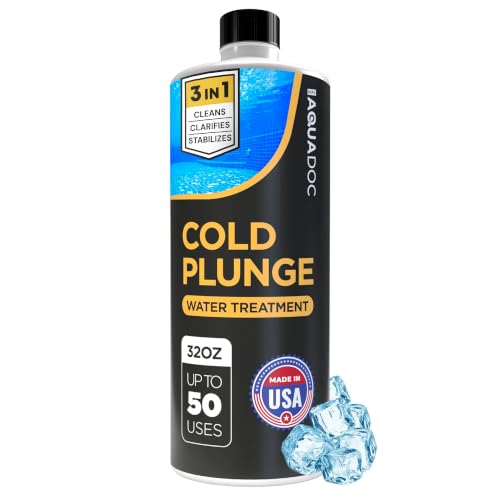
- The one thing to buy first — the overall pick: the AquaDoc cold plunge water treatment, a 32 oz 3-in-1 weekly bottle from a brand with matching strips and published dosing guidance.
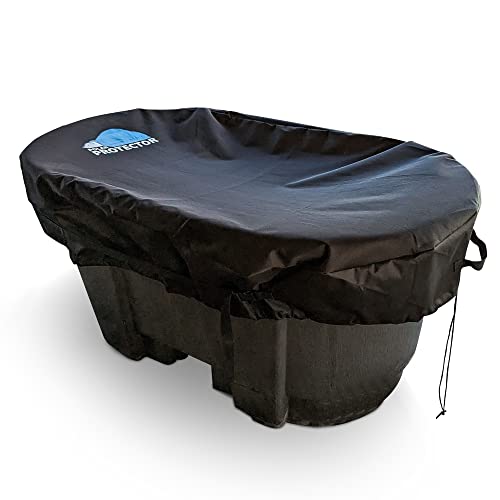
- You plunge in a stock tank: the Polar Protector 600D canvas cover, 55 x 35 inches with a 7-inch skirt, handles, a buckle and a drawstring. The cheap, sensible default for the most common DIY plunge shape.
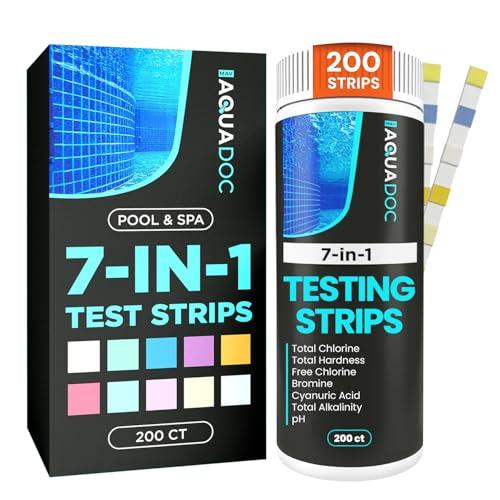
- You are guessing about your water: the AquaDoc 7-in-1 test strips, 200 to a bottle. Three pads — pH, alkalinity, hardness — are the ones that decide whether the water is kind to your skin and your chiller.
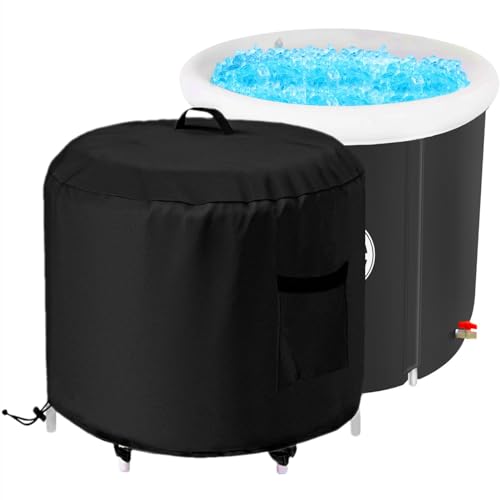
- Your tub is round or barrel-shaped: the GS Alderaul round cover, ripstop 420D with a laminated backing, elastic hem, quick-release buckles and hidden vents to stop condensation.
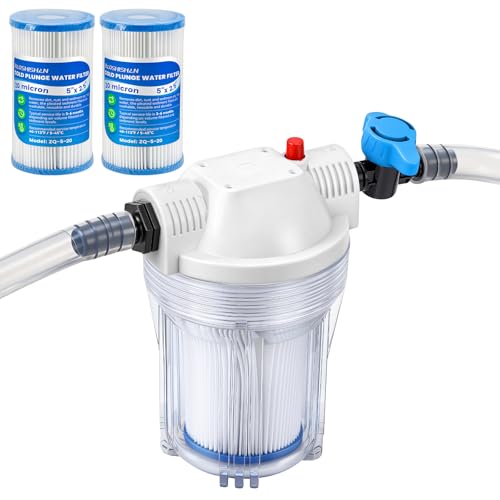
- Your water circulates but does not filter: the BAOSHISHAN 20-micron filter kit, three pleated cartridges in a clear housing. Chemistry treats what is dissolved; this removes what floats.
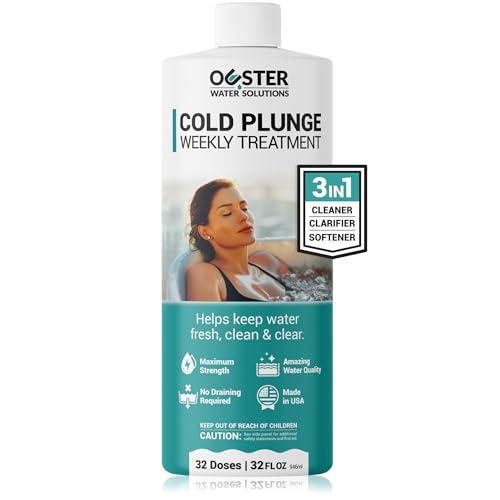
- You want the cost per week in writing: the Ouster 3-in-1 treatment — one ounce a week, 32 ounces in the bottle, so you can do the arithmetic before you buy.
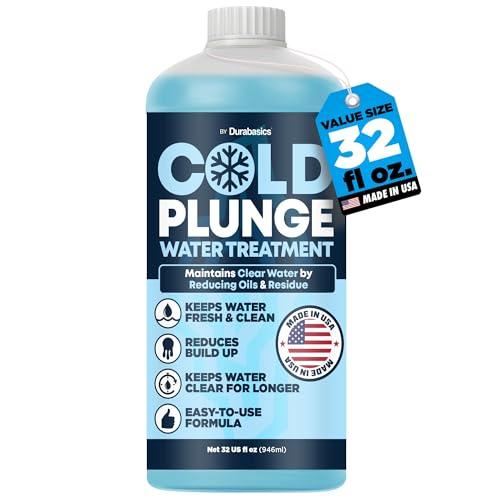
- You want the lowest spend on chemistry: the Durabasics 3-in-1, the cheapest 32 oz bottle here from a named brand, with a 64 oz size for a big tub.
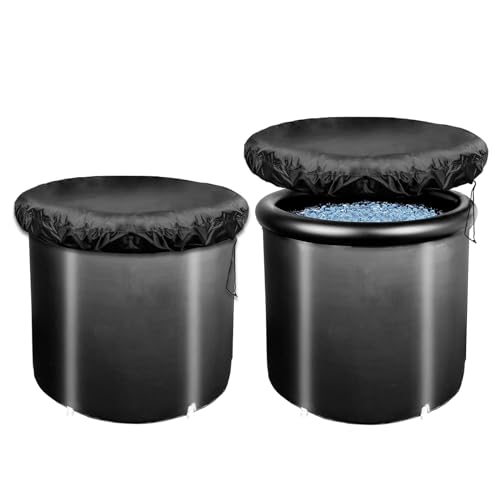
- Small square or round tub, no cover at all — the budget pick: the NEAMVCT ice tub cover, 32 x 32 x 12 inches in PU-coated Oxford with a bottom drawstring. The cheapest honest option on the page.
Measure before you buy a cover
Cover returns are almost always fit problems, and they are avoidable in two minutes. Measure the outside diameter or the outside length and width at the rim, then the height you need the skirt to drop. A cover cut for a 100-gallon oval stock tank will not sit on a 35-inch round portable, and neither fits a 32-inch square tub. The three covers here are each cut for one of those shapes rather than being three grades of the same thing.
The second thing to check is whether it vents. A fully sealed cover on a wet tub traps condensation, and trapped moisture against fabric is how covers start to smell — the EPA's line on mold is that moisture control is the entire control measure, and a vented cover is moisture control.
How to use test strips without becoming a pool technician
Dip, hold level, read at the stated time, write it down. You are watching three pads.
pH decides whether the water stings your eyes and whether it corrodes a chiller. Total alkalinity is what stops pH swinging wildly after every dose. Hardness tells you whether your fill water will scale the equipment. The other pads on a 7-in-1 strip are aimed at chlorinated pools and are mostly irrelevant to a plunge dosed with a 3-in-1 product.
Test weekly for the first month until you know how your water behaves, then whenever the water looks or smells different. Two hundred strips at this price is what turns that into a habit instead of a project.
What to skip under $50
Two things, honestly. Floating thermometers are fun and tell you nothing you cannot feel — the temperature you actually care about is the one your chiller is set to, and our cold plunge temperature page explains why chasing a number is the wrong instinct anyway. And insulated wraps sold to turn an uninsulated tub into an insulated one rarely do much; a lid does far more, because most of the heat gain is at the open surface.
If your budget stretches past this page, the next things worth buying in order are circulation, then filtration, then a chiller — in that sequence, because each one depends on the one before. Our chillers with filters page covers that build, and cold plunge setups under $1,000 prices the whole thing.
The habit that saves you the most money
Rinse before you get in. Thirty seconds under a shower removes most of the oil, sweat and sunscreen that otherwise ends up in a hundred gallons of water you then have to treat, filter and eventually drain. No accessory on this page does as much as that, and it is free.