HUB / GUIDES · Sauna Guides
Outdoor vs Indoor Sauna: Where It Should Live
Placement shapes everything else — the type, the wood, the install, the cost. Decide indoors vs outdoors first, and the right sauna gets a lot easier to choose.
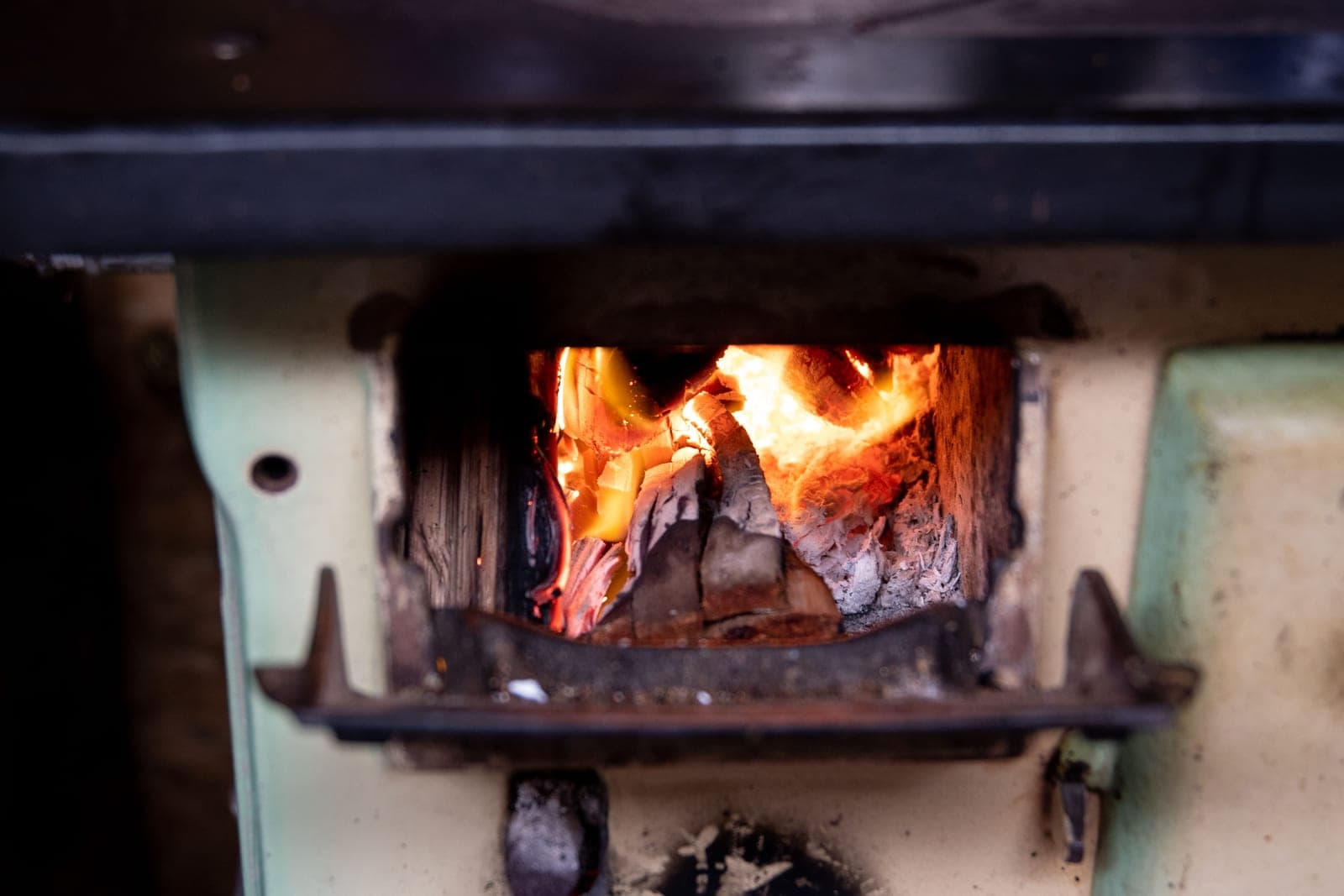
Decide where the sauna lives before you decide what it is. Placement drives the type, the wood, the ventilation and much of the cost, so it is the first question, not an afterthought. Outdoors gives you room, atmosphere and the classic barrel or cabin experience; indoors gives you convenience, weather-proofing and a shorter walk on a January night. Here is how the two compare on the things that actually matter, so you can settle placement and let it narrow the rest.
Install and structure
An outdoor sauna is a small building project: a level, load-bearing foundation, clearances, drainage, weatherproofing, and — for an electric heater — an outdoor-rated 240V circuit run by an electrician (our barrel installation guide covers the work). An indoor sauna skips the foundation and the weather, but adds two concerns of its own: ventilation for heat and moisture, and protecting the surrounding structure from humidity. An indoor infrared cabin is the simplest install of all — often just a standard outlet — while an indoor traditional cabin still needs its 240V circuit and careful ventilation, covered in our install guide. Neither is trivial, but they are hard in different ways.
Wood and weather
Outdoors, the wood does real work against the elements, which is why outdoor saunas lean cedar — its natural rot resistance stands up to rain, snow and year-round humidity far better than hemlock. Indoors, in a controlled, dried-out room, hemlock holds up well and the wood choice becomes more about aroma than survival; our cedar vs hemlock guide walks through that trade. Weather cuts both ways in use, too: an outdoor sauna in winter is a magical hot-cold contrast (and pairs naturally with a cold plunge), but it loses heat faster in wind and cold and costs a little more to run; an indoor sauna is weather-proof and steadier to heat.
Convenience and daily use
This is where indoors quietly wins for a lot of people. A sauna you can reach in a bathrobe without stepping outside gets used more, especially in winter and bad weather — and use is the whole point, since the health associations behind sauna bathing come from regular use (Mayo Clinic Proceedings). An outdoor sauna asks for a walk, a change of clothes and, in winter, a cold dash back — some people love that ritual, others quietly stop bothering. Be honest about which you are: the most authentic sauna you rarely fire up is worse than the convenient one you use four times a week.
Cost, space and resale
Outdoor saunas need yard space and a foundation but do not consume valuable indoor square footage; indoor saunas claim a room, a basement corner or a garage bay but avoid the groundwork. On cost, the outdoor foundation and weatherproofing offset the indoor ventilation and structural protection — the bigger cost driver in both cases is the sauna and its heater, not the placement. A well-built outdoor sauna can be a genuine backyard feature; an indoor one is more of a private amenity. If resale matters to you, both can add appeal, but a permanent, well-executed install of either type reads better than a makeshift one.
How to decide
Work down three questions. Do you have the space? No yard rules out outdoor; no spare indoor room rules out indoor — sometimes the house decides for you. Which experience do you want? Outdoor atmosphere and the barrel/cabin ritual, or indoor convenience and weather-proofing. Will you actually use it where you put it? Be ruthless here — placement that undercuts use is the wrong placement, however appealing. Once you have an answer, the type follows: outdoor usually means a barrel, indoor means an infrared or indoor traditional cabin. Settle where, and the what gets easy.
Questions
Frequently asked
Is an indoor or outdoor sauna better?
Do outdoor saunas need a special foundation?
Can you put a traditional sauna indoors?
Do outdoor saunas cost more to run?
Keep reading
Related
More in Sauna Guides
Receipts
Sources
- Laukkanen J. et al., Mayo Clinic Proceedings 2018 — cardiovascular and other health benefits of sauna bathing
- Finnish Sauna Society (Suomen Saunaseura) — traditional sauna bathing and loyly
We do not run a testing lab, and we do not pretend to. Product specs are transcribed from the manufacturer's own listing and cited as claims; health figures come from peer-reviewed studies, named and linked. Where we could not verify something, we say so on the page rather than quietly leaving it out. Read our full method.