HUB / HEATERS · Sauna Heaters
Sauna Heater Clearances and Safety
A hot stove in a wooden room is safe when it's placed and used right — and a fire risk when it isn't. Here are the clearances, the guard rail, the stone-loading and the one habit that starts most sauna fires.
We earn a commission when you buy through our Amazon links, at no extra cost to you. It never affects our rankings, and we say so when the cheaper product is the better buy. How this works.
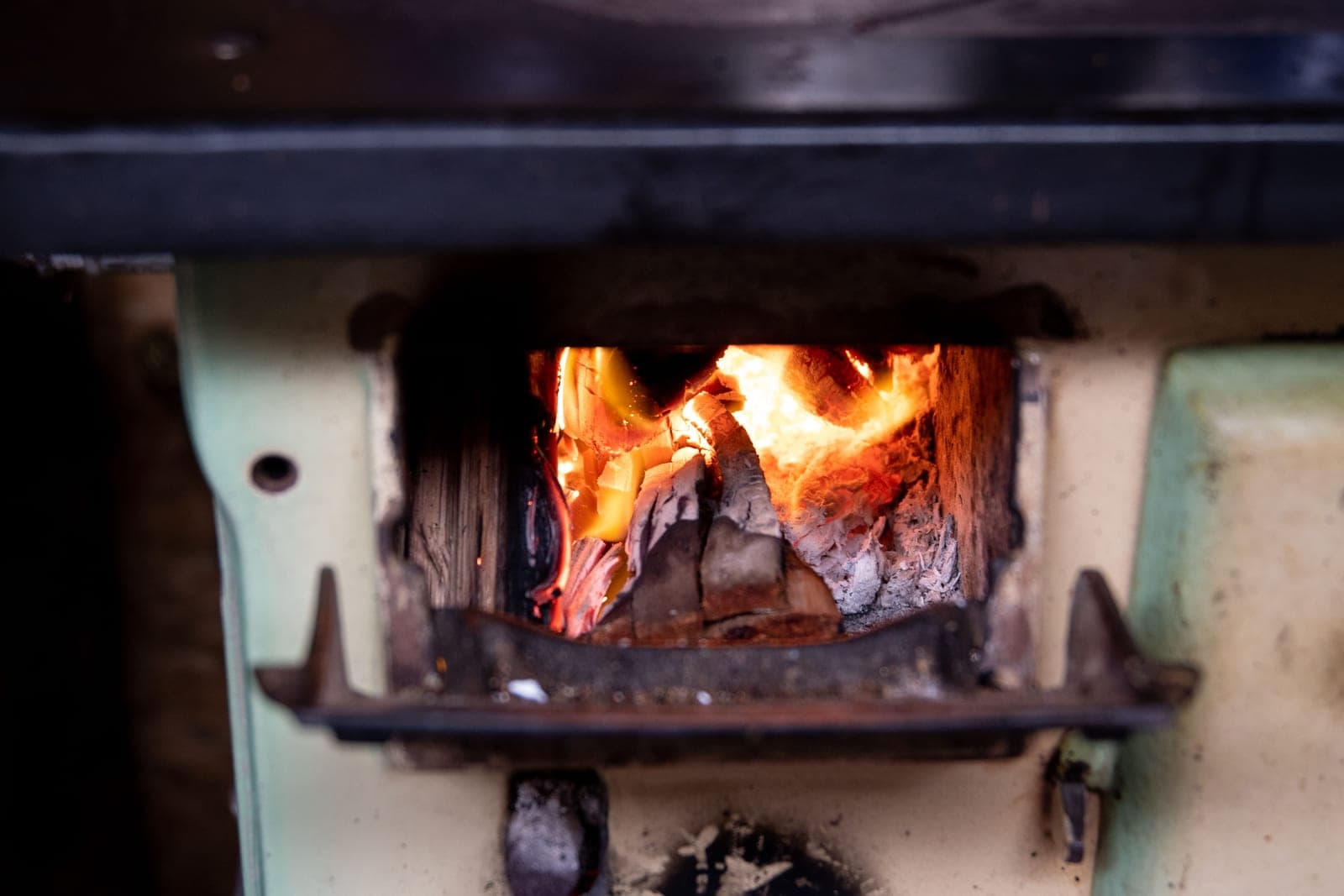
A sauna heater is a very hot object in a small wooden room — it's safe when it's placed and used to the manufacturer's rules, and a genuine fire risk when it isn't. Wiring the stove to code (our how to wire a sauna heater orientation) keeps the electricity safe; this page covers the other half — the clearances, guarding and habits that keep the room safe. None of it is complicated, but every point below has caused real fires when ignored. The governing standards for clearances to combustibles come from fire codes your jurisdiction adopts (NFPA), and the specific distances always come from your heater's own manual (Harvia and every reputable maker publish them).
Clearances to combustibles: the number that matters most
Every sauna heater is rated with minimum clearances to combustibles — the smallest safe distances between the hot stove and the timber walls, the bench, and the ceiling above it. These distances are model-specific: they are printed in the heater's installation manual and they are not something to eyeball or borrow from a different stove. The wall behind and beside the heater, the front where you sit, and the ceiling overhead each have a rated minimum, and mounting or placing the heater any closer than the manual allows is how a wall starts to char over time. If your room is tight, this can decide which heater fits — so check the clearances against your wall layout beforeyou buy, not after. When a clearance can't be met, some heaters allow a rated heat shield to reduce it, but that too is a manufacturer-specified detail, not an improvisation.
The guard rail and safe bench distance
The exposed top of a sauna heater and its stones reach temperatures that burn on contact, so two things protect the people in the room. The first is the guard rail — a wooden or metal surround, sold for or built to the heater, that stops anyone brushing bare skin against the hot casing or stones as they move around or stand up. If your heater has one available, fit it, especially in a household with children. The second is safe bench distance: the lower bench and your feet need to sit far enough from the stove that you're not resting against radiant heat, which is part of why the manufacturer's front clearance exists. A floor-standing heater in the corner with a guard rail and correct bench spacing is the standard safe layout; a heater you can accidentally touch from the bench is a burn waiting to happen.
Loading the stones correctly
The stones are not decoration — they store and radiate the heat and make loyly possible — and how you load them is a safety matter, not just a performance one. Use only proper sauna stones rated for the job (never ordinary rocks, which can crack or even burst when heated and doused), rinse them, and stack them so air and heat flow looselybetween the elements. Do not pack them tight or overfill the basket: crammed stones trap heat around the heating elements, make them run hotter than designed, and shorten their life or trip the stove's protection. Follow the manufacturer's guidance on how many stones and how high, leave the elements able to breathe, and re-stack the stones periodically — they settle and break down with heat cycling and want checking once or twice a year.
Never drape anything on the heater
If there is a single habit that causes sauna fires, it is this one: nothing goes on or over the heater — ever.A towel left to "dry," a robe hung on the guard rail, a bucket or a wooden ladle balanced on top, clothing draped over the casing — any combustible item resting on or above a live stove can ignite. The heater needs clear air all around and above it; the space over the stones is working space, not storage. This is also why the ceiling clearance is non-negotiable and why the guard rail is a barrier, not a shelf. Make it a rule that the heater and the air above it stay empty, brief anyone else who uses the sauna, and you remove the most common cause of a sauna fire outright.
Thermal cutoffs and the safety sensor
Modern sauna heaters include safety devices you should understand and never defeat. A thermal cutoff (high-limit protection) is designed to cut power if the heater overheats — for instance if stones are packed wrong or an item falls onto it — and the temperature sensor feeds the controller so the stove holds the room at its set point instead of running away. Both only work if the heater is installed and the sensor placed as the manufacturer specifies, which is part of why placement is an install decision, not a casual one. If a heater keeps tripping its cutoff, treat it as the safety system doing its job and find the cause — often over-packed stones or a fault — rather than working around it; our heater troubleshooting guide is the place to start.
Ventilation, materials and staying safe over time
A couple of standing habits keep the room safe session after session. Give the sauna proper ventilation— an inlet low near the heater and an outlet on the far side — so heat and moisture move as designed and the room isn't starved of fresh air. Keep the area around the stove clear of anything that shouldn't be there, and don't modify or enclose the heater beyond what the manual allows. And build the safe habits that go with hot bathing: step out if you feel unwell, keep sessions sensible, and don't combine the sauna with alcohol — the wider version of that is in our sauna safety guide. Placement and guarding keep the equipment safe; sensible use keeps you safe.
The bottom line
A sauna heater earns its safety from a few unglamorous rules: honor the model-specific clearances to walls, bench and ceiling; fit the guard rail and keep the bench a safe distance back; load proper stones loosely and don't over-pack them; never drape or store anything on or above the stove; and let the thermal cutoff and sensor do their job rather than defeating them. Do those, wire it to code, and buy a heater sized to your room from the best sauna heaters ranking, and you have a stove that's safe to run for years. Skip them, and the nicest heater in the catalog is a hazard.
Questions
Frequently asked
How far does a sauna heater need to be from the wall and bench?
Do sauna heaters need a guard rail?
Why shouldn't you put anything on top of a sauna heater?
How should I load sauna stones?
Why does my sauna heater keep tripping its thermal cutoff?
Keep reading
Related
More in Sauna Heaters
Receipts
Sources
- NFPA — codes and standards (electrical, clearances to combustibles)
- Harvia — electric sauna heater specifications and room-size guidance (manufacturer)
We do not run a testing lab, and we do not pretend to. Product specs are transcribed from the manufacturer's own listing and cited as claims; health figures come from peer-reviewed studies, named and linked. Where we could not verify something, we say so on the page rather than quietly leaving it out. Read our full method.