HUB / GUIDES · Sauna Guides
Sauna Warranty Guide
On a four-figure purchase, the warranty is part of what you're buying. Here's what a good sauna warranty covers, the fine print that can void it, and the paperwork to keep so a claim is simple if you ever need one.
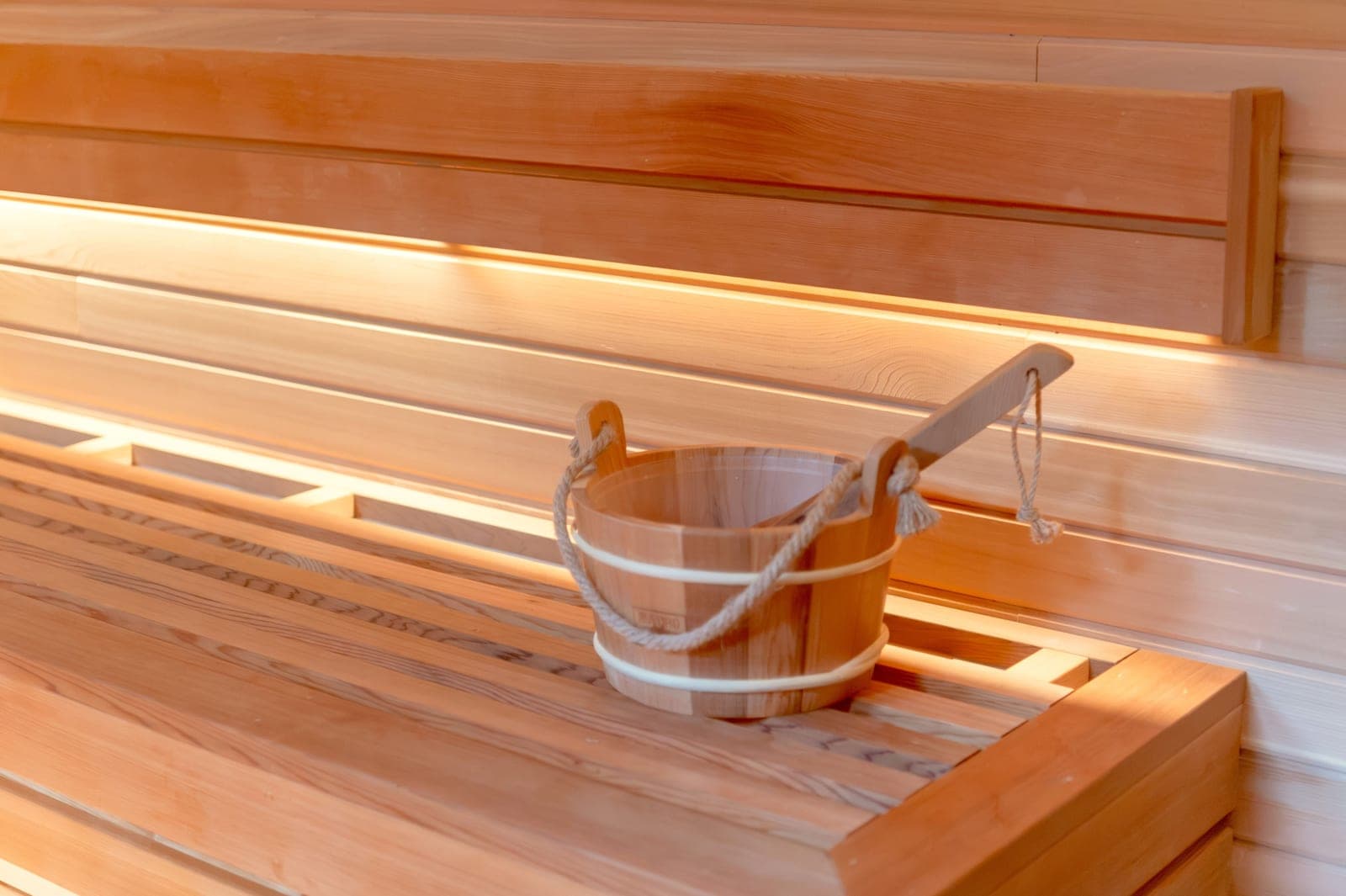
A sauna is a considered, often four-figure purchase, so the warranty is genuinely part of what you're buying — not fine print to skim past. The things to check before you buy: what's covered and for how long (heater or panels, wood, controls, electronics), what voids it (DIY wiring, the wrong install, commercial use, unauthorized repairs), and how a claim actually works. Then keep the paperwork, because most claim headaches come down to lost receipts and undocumented installs. Here's how to read a sauna warranty before you commit, and how to keep yours intact.
What a good warranty covers
Warranties vary by brand and by sauna type, so read the specific one rather than assuming, but the parts worth looking for are consistent. On an infrared cabin, the panels, the control unit and the electronics are the components that matter most, since they're the expensive things that can fail — the same parts our infrared sauna troubleshootingguide sends you to support for. On a traditional sauna, the heater and its controls are the key items, along with the wood and joinery of the room or kit. Look at the term length for each — different parts often carry different periods — and whether it's the whole part or a pro-rated amount. A longer, clearer warranty on the costly components is a good sign a maker stands behind the product.
The fine print that voids it
This is where people get caught, and it's almost always avoidable. Common warranty-voiders include:
- Improper installation or DIY wiring.A hardwired heater installed by someone who isn't a licensed electrician can void the warranty — another reason we're firm about using an electrician for a sauna heater. Do it by the book and keep the sign-off.
- Unauthorized repairs or modifications. Opening up panels, swapping parts yourself, or third-party fixes often break coverage. Call support first.
- Commercial use of a residential unit.Home warranties frequently exclude commercial or rental use; if that's your plan, you need a commercial-rated product.
- Wrong environment or neglect. Putting an indoor cabin outdoors, ignoring required maintenance, or misuse can all invalidate a claim. Follow the manual.
Registration and the paperwork to keep
Most claim problems are paperwork problems. When your sauna arrives, register it with the manufacturer if they ask you to, and keep everything in one place: the purchase receipt (proof of the warranty start date), the model and serial number, the manual, the warranty terms themselves, and — for a hardwired heater — the electrician's invoice or the permit sign-off proving it was installed correctly. That last one matters more than people expect: it's the difference between a smooth claim and a "prove it was installed properly" standoff. Snap photos of the labels and store the documents digitally so you can find them years later. It's the same documentation that also reassures a future buyer, as noted in do saunas add home value.
Buying from the right seller
Where you buy affects whether the warranty is honored. Buying from the manufacturer or an authorized seller generally means the warranty is valid and support is straightforward; a gray-market or unclear third-party seller can leave you with a unit the maker won't cover. It's worth confirming the warranty applies to your purchase before you buy, especially on a big-ticket cabin. This fits into the wider buying process we lay out in the sauna buying guide— warranty and seller are part of the decision, not an afterthought.
The bottom line
On a four-figure sauna, treat the warranty as part of the product. Before you buy, check what's covered on the expensive parts and for how long, and read what voids it — usually DIY wiring, the wrong install, or unauthorized repairs. After you buy, register it, install it properly by the book, and keep the receipt, serial number and electrician's sign-off together. Do that and, in the rare event something fails, a claim is simple instead of a fight. It's cheap insurance on a purchase worth protecting.
Questions
Frequently asked
What does a sauna warranty usually cover?
What voids a sauna warranty?
What paperwork should I keep for a sauna warranty?
Does buying from a third party affect the warranty?
Keep reading
Related
More in Sauna Guides
Receipts
Sources
We do not run a testing lab, and we do not pretend to. Product specs are transcribed from the manufacturer's own listing and cited as claims; health figures come from peer-reviewed studies, named and linked. Where we could not verify something, we say so on the page rather than quietly leaving it out. Read our full method.