HUB / GUIDES · Sauna Guides
How Many Calories Does a Sauna Burn?
A sauna burns a little more than sitting still, but nowhere near the numbers you see online — and most of the weight you drop is water, not fat. Here's the honest mechanism.
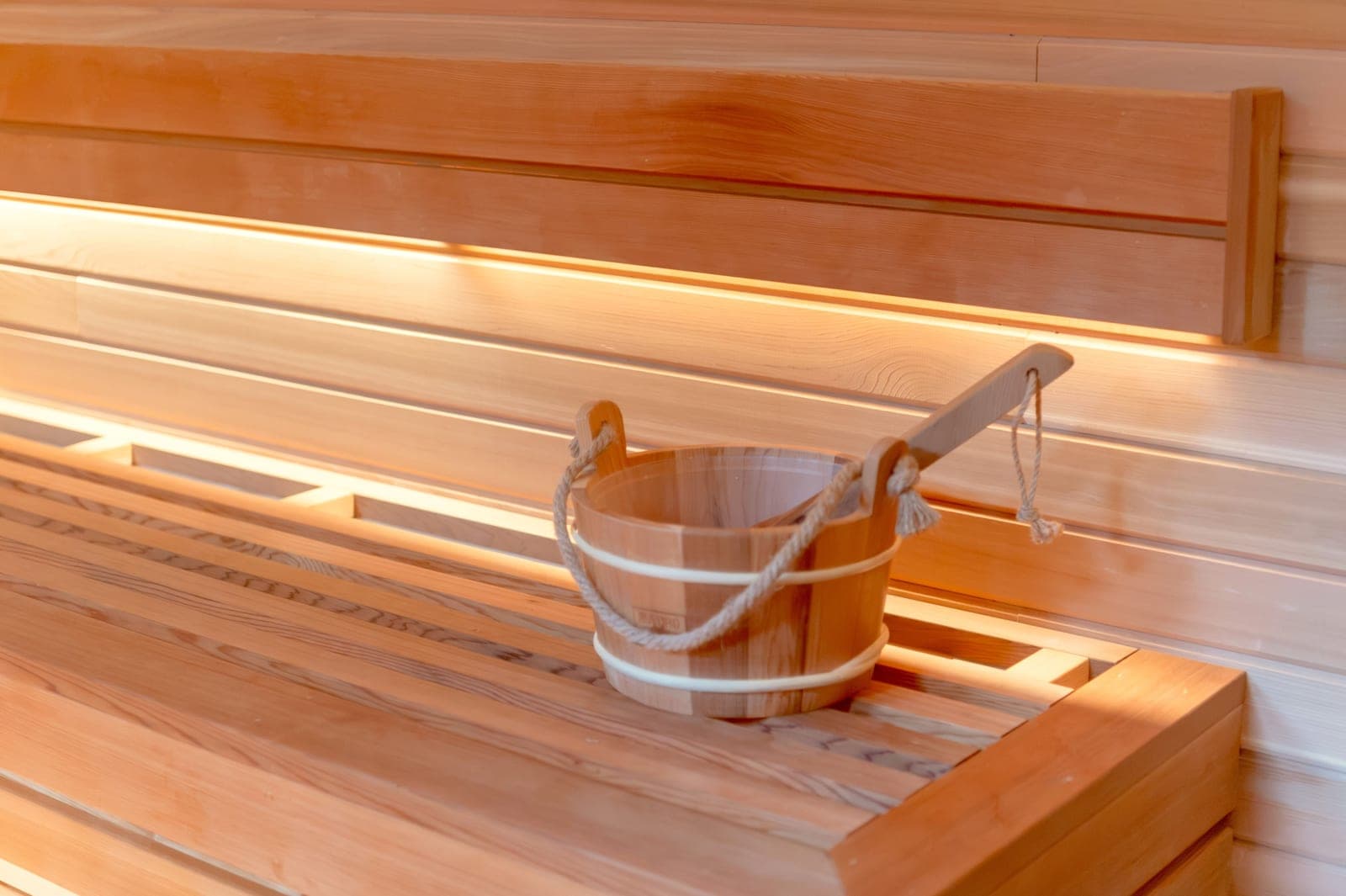
A sauna does burn some extra calories, because the heat raises your heart rate and makes your body work a little harder to cool itself — but the amount is modest, far below the inflated figures you see online, and most of the weight you see disappear on the scale after a session is water you sweated out, not fat. A sauna is a genuinely pleasant way to relax and recover, but it is not a weight-loss shortcut. This is general information, not medical advice. Here is the honest mechanism, why the big numbers are exaggerated, and where a sauna actually fits.
What heat actually does to your metabolism
The reason people ask this question at all is that a sauna genuinely does raise your heart rate. When you sit in the heat, your body works to keep your core temperature steady: blood vessels near the skin widen, your heart beats faster to move blood to the surface, and you start to sweat. That extra cardiovascular effort costs a little energy, so your metabolism ticks up above its resting rate for the duration of the session. That part is real and not in dispute. What it does not do is turn sitting still into a workout. The energy cost of passive heat is much smaller than the energy cost of actually moving your body, because your muscles are not doing meaningful work — you are resting, just in a warm room. So yes, a sauna burns more than lying on the couch, but only modestly.
Why the big calorie numbers are exaggerated
You will find articles claiming a sauna torches hundreds of calories in half an hour, often citing a "300 calories" figure with total confidence. Treat those with heavy skepticism. Many of those numbers appear to be repeated from one source to the next without any solid basis, and some seem to conflate the temporary drop in scale weight (which is water) with fat loss (which it is not). The honest position is qualitative: a sauna raises your energy expenditure somewhat, the exact amount varies a lot from person to person and with temperature and session length, and it is nowhere near enough to matter for weight management on its own. We will not invent a specific number here, because any single figure would be misleading. If a claim gives you a precise calorie count with certainty, that is a red flag, not a selling point.
Water weight versus real fat loss
This is the crux of the whole topic. Step on a scale before and after a sauna and you will very likely weigh less — sometimes noticeably so. That difference is almost entirely sweat, which is water and a small amount of salt leaving your body. It is not fat. The moment you drink water and rehydrate, that weight comes right back, usually within hours. This is exactly why using a sauna to "make weight" is a short-lived illusion and why we debunk it in detail in sauna weight loss. Losing body fat requires a sustained calorie deficit over weeks — eating a bit less, moving a bit more — not sweating out water that you immediately replace. Confusing the two is the single biggest myth in this space.
Why hydration matters (and why the scale rebounds)
Because a sauna works by making you sweat, hydration is not optional — it is central. You are deliberately shedding fluid, and if you chase the number on the scale by not drinking, you are just dehydrating yourself, which is uncomfortable at best and unsafe at worst. Drink water before and after every session, and understand that the rebound is normal and healthy, not a failure. A few honest points to keep straight:
- The post-sauna weight drop is water, and it should come back. Rehydrating is the goal, not something to avoid.
- Chronic dehydration is not weight loss. Staying down a pound because you under-drank is a problem, not progress.
- Feeling lighter is not the same as being leaner. Fat loss does not happen on a session-by-session timescale.
- Overdoing heat to lose water can be dangerous. Dizziness, cramps or nausea are signals to stop, cool down and rehydrate.
Where a sauna actually fits in a weight picture
None of this means a sauna is useless — it just means being honest about its role. A sauna is a genuinely good complement to a healthy routine, not a replacement for one. It can help you relax, unwind and recover after training, and for a lot of people that relaxation and recovery makes it easier to stay consistent with the exercise and eating habits that actually drive fat loss. There is also a wider, encouraging body of research associating regular sauna use with cardiovascular and general health benefits — we keep that framing honest in sauna benefits. So enjoy the sauna for what it is, and let diet and exercise do the weight-loss work. The two together beat either alone, but the calorie burn of the sauna itself is a rounding error next to your overall diet and activity.
Getting the honest most out of it
If your goal is to feel good, recover and support an active lifestyle, use the sauna the sensible way: keep sessions to a comfortable length rather than pushing long, punishing ones in the hope of burning more; hydrate properly before and after; and pair it with the real drivers of body composition. Do not skip meals, restrict fluids, or treat a sweat session as permission to eat more "because you burned it off" — you did not burn much off. If you have a heart condition, blood-pressure issues, are pregnant, or take medication that affects hydration or heat tolerance, talk to your doctor before using a sauna regularly, especially if weight loss is part of a larger health plan. This is general information, not medical advice.
The honest bottom line
A sauna burns a modest amount of extra energy by raising your heart rate, but far less than the internet claims and far less than actual exercise. The dramatic weight drop you see afterward is water from sweat, and it returns the moment you rehydrate — as it should. Treat a sauna as a pleasant recovery and relaxation tool that complements a healthy diet and exercise, never as a shortcut to fat loss. If it helps you feel good and stay consistent, that is the real win. This is general information, not medical advice; for a personalized plan, talk to your doctor or a registered dietitian.
People asking this are often really asking one of two other questions: whether heat can stand in for training, which is sauna vs cardio, or whether wearing a suit changes the arithmetic, which is do sauna suits work.
Questions
Frequently asked
How many calories does a sauna really burn?
Does a sauna burn fat?
Why do I weigh less right after a sauna?
Can I use a sauna to lose weight?
Keep reading
Related
More in Sauna Guides
Receipts
Sources
- Mayo Clinic Proceedings (2018) — health benefits of sauna bathing
- JAMA Internal Medicine (2015) — sauna bathing and mortality
We do not run a testing lab, and we do not pretend to. Product specs are transcribed from the manufacturer's own listing and cited as claims; health figures come from peer-reviewed studies, named and linked. Where we could not verify something, we say so on the page rather than quietly leaving it out. Read our full method.