HUB / GUIDES · Sauna Guides
Is a Home Sauna Worth It?
The honest answer is 'it depends on you' — mostly on how often you'll really use it. Here's a balanced way to weigh cost, convenience, space, and value, plus who should just use a gym sauna or a blanket instead.
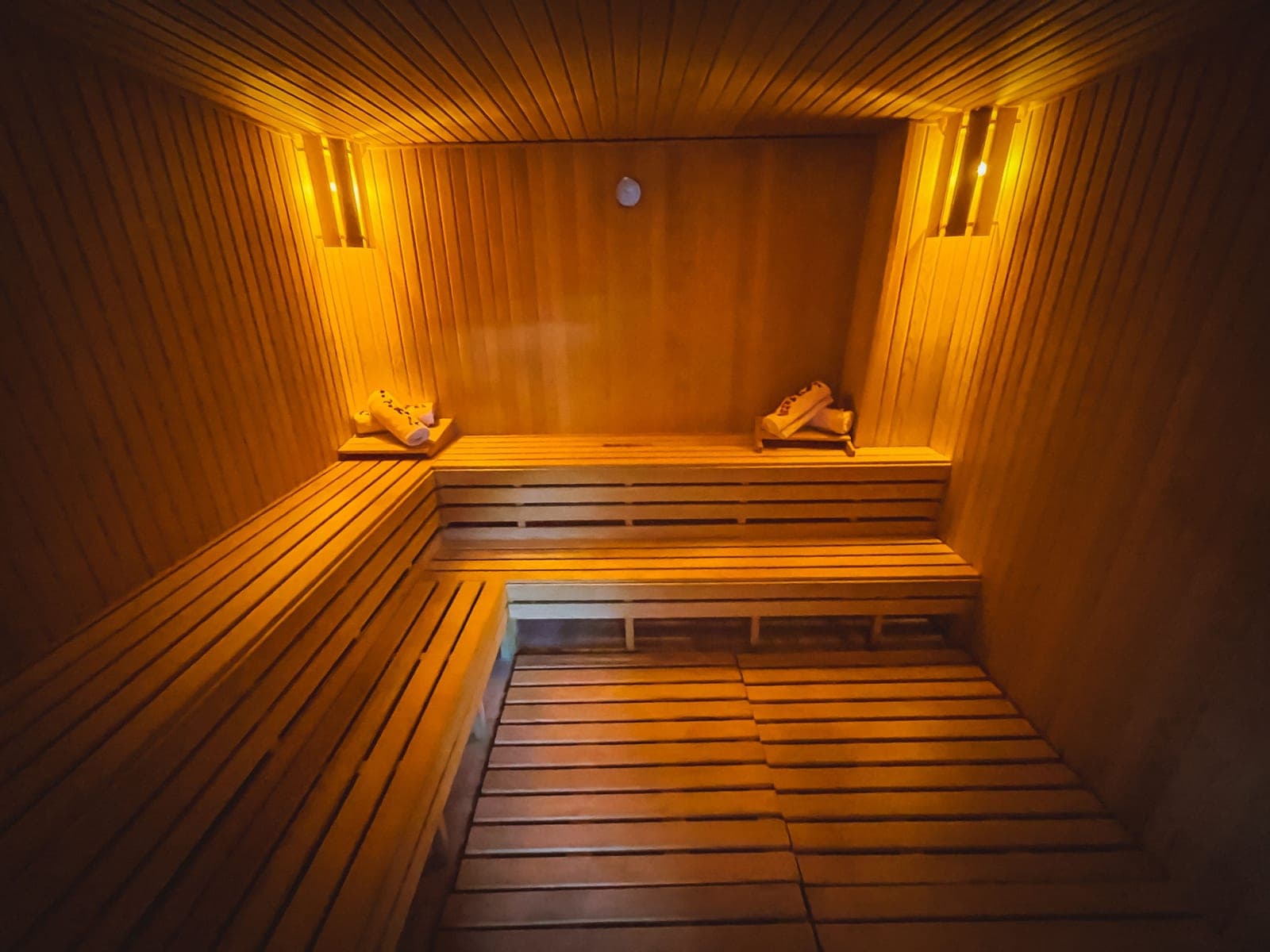
A home sauna is worth it if you'll actually use it regularly — the honest break-even is frequency, not price. Use it a few times a week for years and it's easily worth it; let it become an expensive coat rack and it isn't. This is a decision that depends on you, so we're not going to hard-sell it. Below is a balanced way to think it through: what the different tiers cost to buy, what they cost to run, how the convenience compares with a gym or spa, the space and install reality, and — the part that actually decides it — how often you'll realistically use it. We'll point you to the detailed cost and buying guides as we go.
Upfront cost: three very different tiers
"Home sauna" covers wildly different price brackets, so the first question is which tier you're even comparing. At the entry level, a sauna blanket or a portable pop-up cabin is by far the cheapest way in — a fraction of the cost of a built cabin, no installation, and it stores away. In the middle, a plug-in infrared cabin for one to three people is a real piece of furniture at a mid-range cost. At the top, a traditional heater sauna or a barrel sauna— indoor or outdoor — is the biggest outlay, especially once you factor in a proper heater and, often, electrical work. The tiers aren't just price; they're different experiences. Our how much a home sauna costs guide breaks the brackets down without the hype so you can match a tier to your budget honestly.
Running cost: usually smaller than people fear
The upfront number gets the attention, but running cost is what you live with. It comes down to how much power the heater draws and how long you run it, multiplied by what you pay per kilowatt-hour — which varies a lot by where you live (the U.S. EIA publishes average retail electricity prices by state and month). A plug-in infrared cabin draws relatively little and heats gently, so its per-session cost is modest. A 240V traditional heater pulls far more power to reach much higher temperatures, so it costs more per session — still not extravagant for typical use, but noticeably more than infrared. A blanket is the cheapest of all to run. For a full breakdown of the math with your own electricity rate, see our home sauna running cost guide.
Convenience vs a gym or spa membership
The strongest honest case for owning is convenience. A sauna at home is available whenever you want it — early morning, late at night, in a robe, no drive, no booking, no sharing a bench with strangers. That friction-free access is often what turns "I should use the sauna" into "I actually use the sauna," and since the benefits track with a consistent habit, convenience is genuinely valuable, not a luxury footnote. The flip side: a gym or spa membership you already pay for gives you a sauna with zero upfront cost, zero maintenance, and someone else's cleaning to worry about. If you have easy, reliable access to a good sauna you'll actually visit, that can be the smarter money — no cabin sitting idle in your spare room.
Space and install reality
Be honest about the room before you fall for the render. A blanket needs a spot on the bed or floor and a place to store it. A plug-in infrared cabin needs a permanent footprint about the size of a shower stall, ideally somewhere it can stay set up. A traditional or barrel sauna needs real space — often outdoors — plus clearances, a suitable surface, and frequently a dedicated electrical circuit installed by an electrician for a 240V heater. That last point catches people out: the "plug it in anywhere" ease of infrared does not apply to a full traditional heater. Measure the space, check the power, and factor install into the budget before you decide a cabin is realistic.
The real break-even is frequency
Here's the number that actually settles it — and it isn't a dollar figure, it's a habit. Divide what you spend by how many sessions you'll genuinely get out of it. Someone who saunas three or four times a week for years drives the per-session cost down to trivial, and they're also the person most likely to see the wellbeing payoff, since the health associations track with regular use, not occasional use (Mayo Clinic Proceedings — an association, not proof of cause, and general information, not medical advice). Someone who imagines daily sessions but realistically manages one a month is buying an expensive ornament. Be ruthlessly honest with yourself about which person you are. If you're not sure, start small — a blanket or portable unit — and upgrade once you've proven the habit to yourself.
Enjoyment, wellness, and resale value
Not everything is a spreadsheet. For many owners the value is simply that they enjoy it and use it — a private ritual for winding down, recovering after training, or warming up in winter. There's also a modest resale angle: a quality cabin holds some value if you later sell it or move, though you shouldn't expect to recoup much, and a barrel sauna can add appeal to an outdoor space. Weigh those softer benefits honestly: they're real reasons to buy if you value them, but they don't rescue a purchase you won't use. Enjoyment only counts if it actually happens.
Who should skip the cabin
A home sauna isn't the right call for everyone, and that's fine. If you have easy access to a gym or spa sauna you'll genuinely use, that's often the better value. If you're curious but unproven — you've never had a regular sauna habit — a sauna blanket or a portable unitis a low-risk way to find out whether you'll stick with it before committing to a cabin; our best sauna for beginnersguide is built for exactly that. And if the space, power, or install reality doesn't fit your home, forcing a traditional cabin in is a recipe for regret. There's no shame in starting small or sticking with a membership.
The honest bottom line
Is a home sauna worth it? For a committed, frequent user with the space, yes — the convenience is real and the per-session cost falls fast. For an occasional user, or someone with great gym access, probably not, and a blanket is the smart hedge if you're unsure. Decide on frequency first, match the tier to your budget and space second, and go in with clear eyes about running cost and install. When you're ready to choose a specific model, our sauna buying guide walks through the features that actually matter.
Questions
Frequently asked
Is a home sauna worth the money?
How much does a home sauna cost to run?
Is it cheaper to buy a sauna or use one at the gym?
Should a beginner buy a full sauna cabin?
Keep reading
Related
More in Sauna Guides
Receipts
Sources
- U.S. EIA — average retail electricity price
- Laukkanen J. et al., Mayo Clinic Proceedings 2018 — cardiovascular and other health benefits of sauna bathing (review)
We do not run a testing lab, and we do not pretend to. Product specs are transcribed from the manufacturer's own listing and cited as claims; health figures come from peer-reviewed studies, named and linked. Where we could not verify something, we say so on the page rather than quietly leaving it out. Read our full method.