HUB / GUIDES · Sauna Guides
Can You Put a Sauna in an Apartment?
Yes — as long as it's the right kind. A traditional 240V sauna is off the table in most rentals, but a plug-in blanket, tent or infrared cabin turns almost any apartment into a sweat space. Here's how.
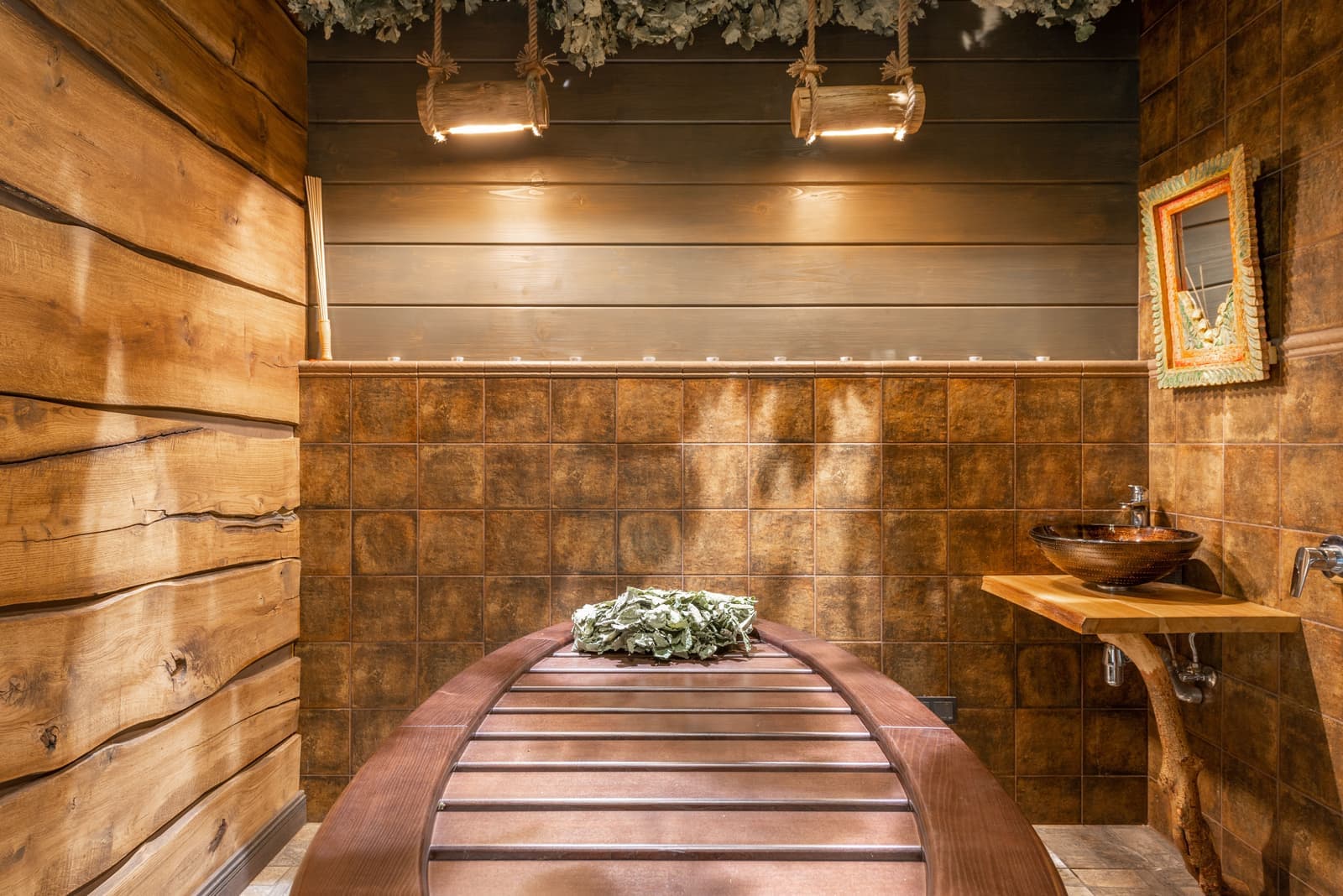
Yes, you can have a sauna in an apartment — as long as it's a plug-in type. A sauna blanket, a portable tent, or a compact infrared cabin all run on a standard outlet, need no wiring, and don't alter the unit, which makes them apartment- and renter-friendly. What you can't realistically do is install a traditional 240V rock-stove sauna in a rental. Match the format to apartment life and it's very doable. "Can I have a sauna in my apartment?" is one of the most common questions from renters and small-space owners, and the honest answer is an encouraging yes — with the right expectations. Here's what works, what doesn't, and what to check first.
The short answer: yes, with a plug-in format
The reason apartments and saunas seem incompatible is that people picture a traditional wood-lined room with a 240V rock stove — and that isoff the table in almost any rental or small condo, because it needs dedicated wiring, ventilation and construction you can't (and aren't allowed to) add. But that's only one kind of sauna. The plug-in categories were practically made for apartment life:
- Sauna blankets — roll out on a bed, plug in, roll away into a drawer. The smallest footprint of all, ranked in best sauna blankets.
- Portable tents— a zip-up infrared tent with a chair that folds flat when you're done.
- Compact infrared cabins — a real 1-person wood cabin that plugs into a normal 120V outlet, no electrician, in the small-spaces cabins.
All three run on a standard outlet and leave no permanent mark on the apartment — the whole point. We collect the renter-friendly picks in portables for apartments.
Power: a normal outlet is the whole point
The defining apartment constraint is electrical, and the plug-in formats sidestep it entirely. Blankets, tents and 120V infrared cabins draw roughly like a space heater or two from a standard household outlet — no dedicated circuit, no landlord conversation about rewiring, no electrician. That's the single biggest reason they work in rentals where a 240V traditional sauna can't. Just plug into a sound outlet (not a flimsy extension lead), and you're set. Why traditional saunas need so much more is covered in sauna electrical requirements.
Space and where to put it
Apartments are about square footage, and the formats differ:
- Blanket — needs a body-length flat surface in use (a bed or the floor) and almost no storage. Best for the tightest spaces.
- Tent— needs a chair-sized patch of floor in use, folds flat to store. A good middle ground if you'd rather sit up.
- Compact cabin — needs a permanent corner (a bedroom nook, a spare space) and the clearance the manual wants, but gives the most real-sauna experience of the three.
The blanket-versus-tent choice comes down to whether you'd rather lie down or sit up, laid out in sauna tent vs sauna blanket. Measure your real space, including where you'd store it, before buying.
Moisture, neighbors and the lease
A few apartment-specific practicalities worth being honest about. Moisture:the plug-in formats here are dry infrared (or a small steam box) rather than a steamy room, so they don't pump humidity into your walls the way a traditional sauna would — but still ventilate normally and wipe things down. Neighbors and floors:a compact cabin has weight, so on an upper floor make sure it's within reason; blankets and tents are light. The lease:plug-in, non-permanent devices generally don't require landlord permission the way an installation would, but if you're unsure, a quick check of your lease (or a courtesy ask) avoids any issue — you're buying an appliance, not modifying the unit, which is the reassuring part.
Set honest expectations
The trade for apartment-friendliness is that these aren't a full traditional sauna. Your head is out of a blanket or tent, and even a compact infrared cabin runs cooler and makes no steam or loyly. What you get is a genuine, low-cost, no-install way to sweat and relax at home — which for an apartment is exactly the right tool. If a full hot, steamy sauna experience is non-negotiable for you, that realistically means a house with space for a traditional install, not a rental. We're candid about the ceiling in are portable saunas worth it.
The honest bottom line
You can absolutely have a sauna in an apartment — just make it a plug-in one. A blanket, a tent, or a compact 120V infrared cabin runs on a normal outlet, needs no wiring or construction, and leaves the unit untouched, which is what makes it work in a rental. Skip any dream of a traditional 240V rock-stove room; that needs a house. Match the format to your space and how you'd use it, check your lease if you're unsure, and start with the apartment picks.
Questions
Frequently asked
Can you have a sauna in an apartment?
What kind of sauna is best for an apartment?
Do you need permission to put a sauna in a rental?
Will an apartment sauna damage the walls with moisture?
Keep reading